
Sản phẩm
Buy Thai Products in Bulk: How to Source Directly from Verified Thai Suppliers
A practical guide to buying Thai products in bulk: which categories to source, how to find verified suppliers, write an RFQ, compare quotations and manage samples and shipping.
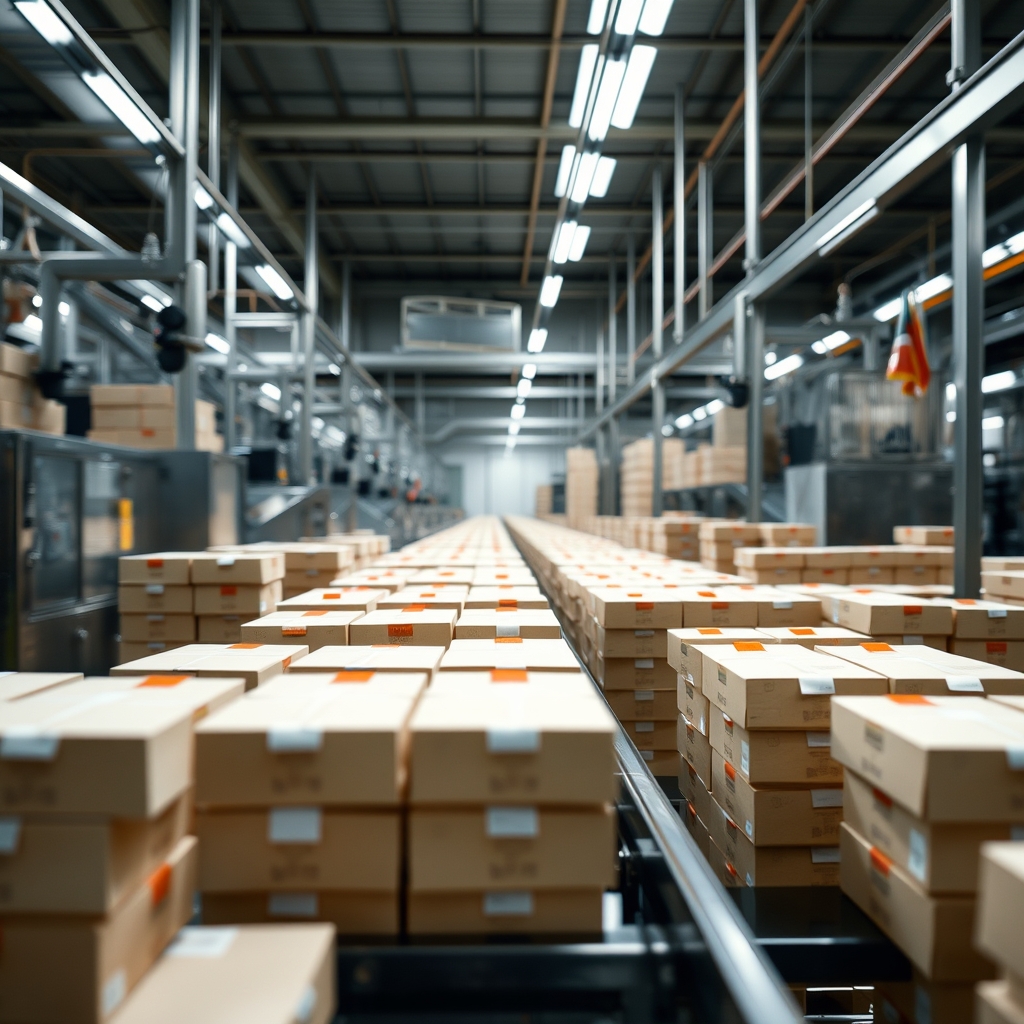
Thailand is one of the most productive manufacturing bases in Southeast Asia, and buyers around the world come to it for rice, food and beverages, cosmetics, herbal and wellness products, packaging and OEM manufacturing. Yet many importers still buy Thai products in bulk through a chain of intermediaries, paying for each layer without ever speaking to the factory. This guide shows a more direct route: how to identify the right product categories, find and verify Thai suppliers, write a request for quotation that gets serious answers, compare offers properly and manage samples and shipping. It is written for wholesale buyers, importers, distributors and procurement teams who want to source from Thailand with confidence.
What international buyers purchase from Thailand in bulk
Thailand's export strengths map closely to what global buyers look for. The categories most often sourced in wholesale quantities include:
- **Rice and agricultural products:** jasmine rice, specialty rice, dried fruit, coconut products and processed agricultural goods
- **Food and beverage:** instant noodles, sauces and seasonings, snacks, canned fruit, ready meals, tea, coffee and functional drinks
- **Cosmetics and personal care:** skincare, sun care, body care, hair care and makeup, both branded and OEM
- **Herbal and wellness:** balms, inhalers, herbal teas, spa products and traditional remedies
- **Packaging:** bottles, jars, tubes, pouches and printed packaging for beauty and food brands
- **OEM/ODM manufacturing:** factories that produce under a buyer's own brand across beauty, supplements and food
When you buy Thai products in bulk, start by defining the category and the end customer. A distributor supplying supermarkets in the Middle East needs different suppliers, certifications and packaging than an e-commerce seller in Vietnam or a private-label brand owner in the Philippines.
Manufacturer, exporter or trading company: know who you are talking to
One of the most common mistakes in bulk sourcing is assuming every supplier is a factory. In Thailand you will meet several types:
- **Manufacturers** make the product and usually offer the most direct pricing and customisation.
- **OEM/ODM factories** produce under your brand, with their own or your formula.
- **Brand owners** sell their own established brands and may appoint distributors.
- **Distributors and trading companies** aggregate products from several makers; they add convenience and consolidation but are not the producer.
- **Export companies** handle documentation and logistics on behalf of producers.
Each type has a legitimate role. The problem arises only when a trading company presents itself as a manufacturer, which affects pricing, lead time transparency and your ability to audit production. On THAIMOST (thaimost.com), suppliers are classified by type, and a trading company is not shown as a factory, so buyers can see at a glance who makes the product and who resells it.
How to find and verify Thai suppliers before you order
Verification is where bulk sourcing succeeds or fails. A sensible process looks like this:
- **Check company registration.** Confirm the business is registered in Thailand and that the name on the quotation matches the registered entity.
- **Review the supplier profile.** Look at factory information, product ranges, certifications held and the markets they already export to.
- **Ask for certificates per product.** Certifications vary by product and factory; ask which specific items carry which documents, rather than assuming a blanket claim.
- **Request samples.** Test quality, packaging and shelf life yourself before committing to volume.
- **Verify export experience.** A supplier that has shipped to your region will understand the documents your customs authority expects.
THAIMOST reduces part of this work with a trust system built on Verified, Audited and Certified status. Badges such as Verified Supplier (KYC/KYB), Factory Audited, Gold Exporter and Top Response signal what has been checked. Verification lowers risk, but it is not a guarantee. Buyers should still conduct their own due diligence, confirm samples and agree terms in writing before paying.
Writing an RFQ that Thai suppliers take seriously
A request for quotation is your first impression. Vague messages such as 'send price list' rarely get the best response. A strong RFQ for bulk Thai products includes:
- **Product description:** category, specification, size, flavour or variant, and any reference product
- **Target quantity or order size:** even an estimated range helps suppliers quote realistically
- **Packaging requirements:** retail packaging, inner and outer cartons, language on labels, private label or supplier brand
- **Destination market and port:** so the supplier can consider documents and Incoterms
- **Certifications needed:** for example food safety, GMP, halal or organic documentation, where relevant to your market
- **Timeline:** when you plan to place the order and when you need goods to arrive
- **Your company profile:** a short introduction, your channel and your existing experience with imports
On THAIMOST you can send a free RFQ directly to verified suppliers in a category, which lets several factories respond to the same brief. Comparing responses to an identical RFQ is far more useful than comparing unrelated price lists.
Comparing quotations the right way
The lowest unit price is rarely the cheapest offer once you land the goods. When comparing bulk quotations from Thai suppliers, line up:
- **Incoterms:** EXW, FOB, CIF and DAP shift freight, insurance and risk between buyer and seller; convert every quotation to the same basis
- **Packaging and labelling scope:** whether multilingual labels, barcodes and retail packaging are included
- **Lead time:** production time plus shipping, and what happens if raw materials are delayed
- **Payment terms:** deposit and balance structure, and the method of payment
- **Documents included:** certificate of origin, health or quality certificates, packing lists and anything your market requires
- **Responsiveness:** a supplier that answers questions clearly during quotation is likely to communicate well during production
THAIMOST does not process payments or hold funds; transactions are agreed and settled directly between buyer and supplier. This keeps the relationship direct, but it also means written terms, confirmed samples and verified company details are the buyer's responsibility before money changes hands.
Samples, shipping and building a long-term supply relationship
Once you have shortlisted suppliers, request samples and evaluate them against your own market's expectations: taste or texture, packaging durability, label compliance and shelf life. Share feedback with the supplier; many Thai factories adjust packaging or specifications for a committed buyer.
For shipping, decide between air freight for small, high-value or urgent consignments and sea freight for volume. Confirm which party books freight, how goods are palletised and which documents will travel with the shipment. Import regulations in your country, from labelling to product registration, are your responsibility as the importer, so check current requirements with your local authority or clearing agent before the goods are produced.
If you prefer to start with established Thai brands rather than factory-direct or private label, a distribution platform such as ThaiNex (thainex.com) supplies genuine Thai cosmetics, herbal, food and home products for importers and retailers. Many buyers combine both routes: brand distribution to build sales quickly, and factory-direct sourcing through THAIMOST for volume lines and OEM projects.
Bulk buying from Thailand works best as a relationship, not a transaction. Suppliers who see repeat orders, clear forecasts and respectful communication tend to prioritise your production, share new products first and work with you on improvements. Use the platform to open the door, then invest in the people behind the factory.
Cần hỗ trợ từ chuyên gia?
Để lại thông tin, đội ngũ sẽ liên hệ sớm.
FAQ
Câu hỏi thường gặp
How do I buy Thai products in bulk directly from a factory?
Define your product and quantity range, identify suppliers classified as manufacturers or OEM/ODM factories, verify their registration and certifications per product, send a detailed RFQ, request samples and agree written terms. On THAIMOST you can send a free RFQ to verified Thai suppliers and compare responses.
Is a verified supplier on THAIMOST guaranteed to be reliable?
Verification such as KYC/KYB checks and factory audits reduces risk, but it is not a guarantee. Buyers should still perform their own due diligence, confirm samples and agree terms in writing before ordering or paying.
Does THAIMOST handle payment between buyer and supplier?
No. In the current phase, payment is made directly between buyer and supplier. THAIMOST does not process payments or hold funds, so buyers should confirm company details and terms before transferring money.
Is there a fee to send an RFQ or to list as a supplier?
Sending an RFQ is free for buyers. During the launch phase, supplier listing is also free, with no listing fee and no commission.
Nội dung do đội ngũ Thaimost biên soạn với mục đích tham khảo. Một số liên kết có thể dẫn tới đối tác được giới thiệu.
Bài viết
Bài viết liên quan

Thai Rice Exporters Directory: A Buyer's Guide to Sourcing Rice from Thailand
Thailand has long been one of the world's major rice origins, offering everything from jasmine (hom mali) rice to parboiled and glutinous varieties for export. But for a buyer outs

Thailand B2B Marketplace for International Buyers: A Practical Sourcing Guide
Sourcing from Thailand has long attracted international buyers looking for strong manufacturing capability across food, beverage, cosmetics, wellness, and packaging. But finding th

How to Send an RFQ to a Thai Supplier: A Practical Guide for Global Buyers
If you're looking to source Thai products wholesale, your first real step isn't browsing endless catalogues — it's learning how to send a clear, effective RFQ (request for quote).