
Hướng dẫn
How to Find Verified Suppliers in Thailand: A Step-by-Step Guide for International Buyers
Learn how to find verified suppliers in Thailand: what verification really means, which supplier types exist, where to search, how to check beyond the badge, and how to send an RFQ that gets quality quotes.
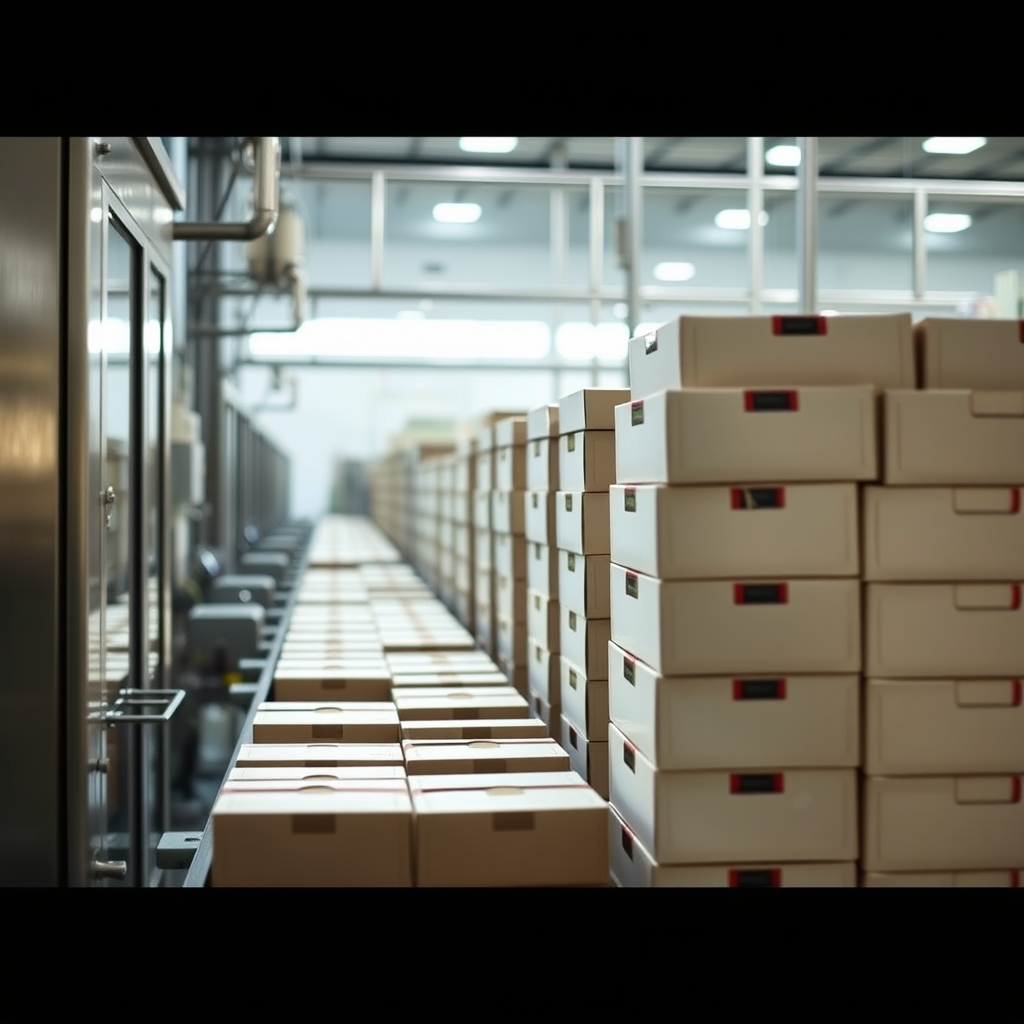
Thailand is one of the most capable sourcing destinations in Southeast Asia: rice and food processing, beverages, cosmetics, herbal and wellness products, packaging and a deep base of OEM/ODM factories. The challenge for an international buyer is rarely a shortage of suppliers. It is telling a genuine manufacturer from a trading company with a factory photo, and knowing which claims to trust before you wire a deposit. This guide explains how to find verified suppliers in Thailand step by step: what verification actually means, the supplier types you will meet, where to search, how to check beyond the badge, and how to send a request for quotation that attracts serious responses.
What a verified supplier in Thailand actually means
The word verified is used loosely in B2B sourcing, so start by defining it for yourself. In practice there are three layers, and each one answers a different question.
- **Identity verification (KYC/KYB):** Is this a real, registered Thai company, and is the person you are talking to authorised to represent it? This is the baseline. On THAIMOST, the Verified Supplier badge means the company has passed KYC/KYB checks on registration documents and representative identity.
- **Capability verification (audit):** Does the company actually operate the factory it describes, with the equipment, capacity and quality system it claims? A Factory Audited badge or a third-party audit report answers this.
- **Product verification (certification):** Does a specific product hold the certification your market requires, such as GMP, HACCP, Halal or organic? This is checked per product and per document, never assumed for a whole catalogue.
Verification reduces risk. It does not remove it. Even a supplier that passes all three layers still needs to be judged on samples, terms and communication. Treat badges as a filter that saves you time, then do your own due diligence on the shortlist.
Step 1: Define what you need before you search
Buyers who search Thai suppliers with a vague brief get vague answers. Spend an hour writing down the following before you contact anyone.
- **Product specification:** category, format, size, key ingredients or materials, packaging type, and any claims you intend to make in your market.
- **Target market and compliance:** the country you will sell in and the certifications or label requirements that apply there. Treat online information, including this article, as reference and confirm current rules with your import authority or customs broker.
- **Commercial model:** are you buying a finished Thai brand to resell, commissioning your own private label, or sourcing an ingredient or component?
- **Volume and timeline:** a realistic first-order range and when you need goods at your warehouse, so that suppliers can tell you honestly whether they fit.
- **Incoterms and payment preference:** FOB Bangkok, CIF to your port, or EXW; and which payment terms your finance team can accept.
This brief becomes the core of your RFQ later. It also helps you recognise quickly which suppliers are a match and which are not.
Step 2: Know the supplier types you will meet in Thailand
Thai export supply chains include several kinds of companies. None is inherently better; the mistake is paying for one type while believing you are dealing with another.
- **Manufacturer:** owns and operates production. Best for scale, cost transparency and technical questions, but may require larger commitments and offer less flexibility in assortment.
- **OEM/ODM factory:** manufactures products under your brand, either from your formula (OEM) or from their developed formulas (ODM). Common in cosmetics, supplements, food and beverage.
- **Brand owner:** owns a Thai brand and often outsources production. The right partner if you want to distribute an existing brand in your country.
- **Distributor:** holds stock from multiple brands or factories and can serve mixed, smaller orders. Useful for market testing.
- **Trading company:** sources from factories on your behalf and adds a service margin. Valuable when you need consolidation or language support, as long as it is disclosed.
- **Export company:** specialises in documentation, logistics and export formalities.
On THAIMOST, suppliers are labelled by type, and a trading company cannot present itself as a manufacturer. When you work outside a platform, ask directly: do you own the production facility, and may we see it?
Step 3: Where to look for suppliers in Thailand
There is no single directory that covers every Thai exporter, so experienced buyers combine channels.
- **B2B marketplaces with verification:** platforms such as THAIMOST (thaimost.com) list Thai manufacturers, OEM/ODM factories, brand owners and exporters by type, with trust badges such as Verified Supplier, Factory Audited, Gold Exporter and Top Response. You can browse by industry, certification and capability, then send an RFQ directly to the companies you shortlist.
- **Trade fairs:** Thailand hosts large international fairs for food, cosmetics, packaging and lifestyle products. Meeting a supplier in person remains one of the fastest ways to judge seriousness and product quality.
- **Government export promotion:** Thai trade promotion bodies maintain exporter lists and organise business matching, particularly for food, agriculture and wellness.
- **Industry associations:** sector associations for cosmetics, food processing, rice and herbal products can point to member companies.
- **Referrals:** importers in your own country who already buy from Thailand are often willing to share which suppliers performed and which did not.
Use marketplaces to build a long list quickly, then use the other channels to confirm and deepen relationships with the shortlist.
Step 4: Verify beyond the badge
Once you have five to ten candidates, run a consistent verification routine. It takes a few days and prevents the most expensive mistakes.
1. **Company documents.** Request the company registration certificate and check that the registered name, address and business scope match what the supplier tells you. For factories, ask for the factory licence. 2. **Product documents.** Ask for certificates relevant to your product and market and confirm they are current and issued to this company, not to a sister entity. Certification applies per product, so match each certificate to the exact item you plan to buy. 3. **Live video walkthrough.** A short, unscheduled video call from the production floor shows more than a brochure. Watch for the company signage, the equipment described and the people working. 4. **Samples.** Pay for and evaluate samples against your specification before discussing bulk orders. Compare the sample against the eventual production batch as well. 5. **References and track record.** Ask which export markets the supplier already serves and whether a reference customer can be contacted. 6. **Third-party audit or inspection.** For larger first orders, an independent factory audit or pre-shipment inspection is money well spent. THAIMOST can connect buyers with verification and inspection services through partners; when a third party performs the service, that provider is responsible for its findings.
Keep a simple scorecard for each candidate across these six points. It makes the final decision clearer and defensible to your management.
Step 5: Send a clear RFQ and compare quotes properly
A good request for quotation is the single most effective tool for separating serious suppliers from the rest. It should contain your product specification, target quantity range, packaging requirements, target market and compliance needs, preferred Incoterm, destination port and timeline, plus any documents you will need at import.
On THAIMOST you can send an RFQ free of charge to one or several verified suppliers at once and receive quotes in one place. When comparing responses, look beyond the unit price:
- **Completeness:** did the supplier answer every point of your brief, or only the price?
- **Terms:** minimum order, lead time, payment terms, validity of the quotation and what is included in the price.
- **Documents:** which certificates and export documents are included, and which are extra.
- **Communication:** response speed, clarity and willingness to say no when something is not possible.
In the current launch phase, payment is settled directly between buyer and supplier; THAIMOST does not process or hold funds. Confirm samples, terms and documents in writing before you commit.
If your goal is to distribute existing Thai brands rather than work with factories directly, a sourcing and distribution platform such as ThaiNex (thainex.com) is another route within the same ecosystem. For buyers developing a private-label beauty or wellness product, an OEM/ODM partner such as 5FINE (5fineglobal.com) that manages production through GMP-certified partner factories can shorten the path.
Cần hỗ trợ từ chuyên gia?
Để lại thông tin, đội ngũ sẽ liên hệ sớm.
FAQ
Câu hỏi thường gặp
Does a Verified Supplier badge mean the supplier is guaranteed to deliver?
No. Verification confirms identity, registration and, where audited, operational capability. It lowers risk but is not a guarantee of performance. Always confirm samples, terms and documents yourself before ordering.
How do I tell whether a Thai supplier is a real manufacturer or a trading company?
Ask directly whether the company owns the production facility, request the factory licence and company registration, and ask for a live video walkthrough of the production floor. On THAIMOST, suppliers are labelled by type, and trading companies cannot list themselves as manufacturers.
Is it free to send an RFQ to suppliers on THAIMOST?
Yes. Buyers can send RFQs and sample requests to verified suppliers free of charge, and suppliers currently list without listing fees or commission during the launch phase.
Which documents should I ask a Thai supplier for before a first order?
Typically the company registration certificate, factory licence where applicable, product certifications relevant to your market, and a clear pro-forma invoice stating Incoterms, payment terms and included documents. Check your own import requirements with your customs broker or authority as well.
Nội dung do đội ngũ Thaimost biên soạn với mục đích tham khảo. Một số liên kết có thể dẫn tới đối tác được giới thiệu.
Bài viết
Bài viết liên quan

Thai Rice Exporters Directory: A Buyer's Guide to Sourcing Rice from Thailand
Thailand has long been one of the world's major rice origins, offering everything from jasmine (hom mali) rice to parboiled and glutinous varieties for export. But for a buyer outs

Thailand B2B Marketplace for International Buyers: A Practical Sourcing Guide
Sourcing from Thailand has long attracted international buyers looking for strong manufacturing capability across food, beverage, cosmetics, wellness, and packaging. But finding th

How to Send an RFQ to a Thai Supplier: A Practical Guide for Global Buyers
If you're looking to source Thai products wholesale, your first real step isn't browsing endless catalogues — it's learning how to send a clear, effective RFQ (request for quote).