
Buying guide
Thai Furniture Manufacturers Export: A Buyer's Guide to Sourcing with Confidence
Thailand has built a long-standing reputation in furniture manufacturing, drawing on natural materials like rubberwood, teak, rattan, and water hyacinth, combined with skilled craf
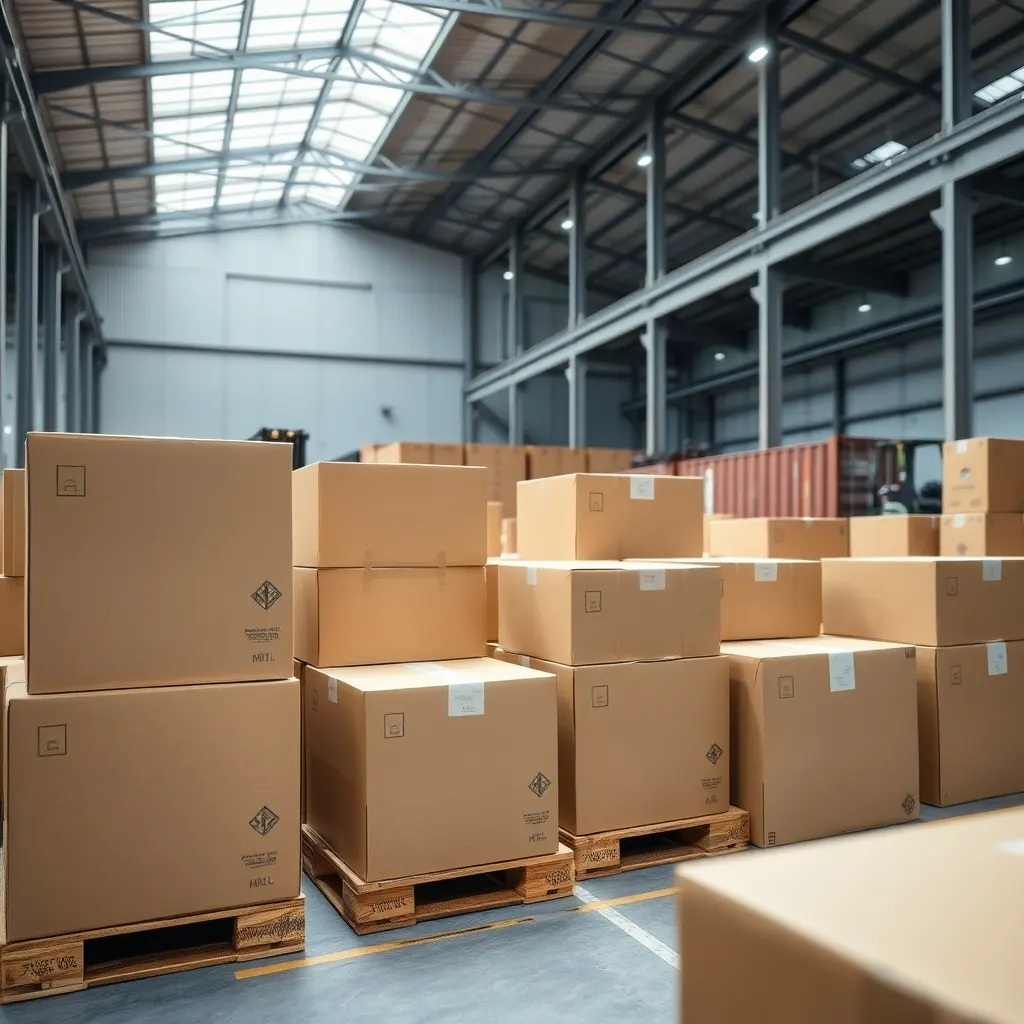
Thailand has built a long-standing reputation in furniture manufacturing, drawing on natural materials like rubberwood, teak, rattan, and water hyacinth, combined with skilled craftsmanship developed over decades of export experience. For international buyers — importers, retail chains, hospitality procurement teams, and interior brands — Thai furniture manufacturers export offers access to both mass-production factories and smaller workshops capable of custom and OEM work. But sourcing furniture across borders comes with real complexity: container logistics, finishing standards, wood treatment compliance, and verifying that a supplier is actually a manufacturer rather than a trading company reselling someone else's stock. This guide walks through what buyers should know before committing to a Thai furniture supplier, and how to approach the process methodically.
Why Thailand Is a Strong Source for Furniture Export
Thailand's furniture industry spans several regional clusters, each with its own specialty — rattan and wicker weaving in the South, wood furniture and carving in the North around Chiang Mai, and larger industrial manufacturing hubs near Bangkok and its surrounding provinces that serve both domestic retail and export markets. Many factories have decades of experience supplying hotels, resorts, and retail chains abroad, which means they are often familiar with export documentation, container packing for furniture, and finishing standards expected in markets like the US, EU, Middle East, and ASEAN. That said, experience and capability vary widely between factories, so buyers should treat 'export experience' as a starting point for due diligence, not a guarantee of fit for their specific product and market.
Types of Suppliers: Manufacturer, OEM Factory, or Trading Company
One of the most important distinctions when researching Thai manufacturers is understanding what type of supplier you're actually talking to. A true manufacturer owns or operates the production facility and can usually accommodate custom specifications, material choices, and finishing requests. OEM/ODM factories go a step further, offering design input or allowing buyers to develop their own furniture line under a private label, which is common for hospitality brands and retailers wanting distinctive pieces. Trading or export companies, on the other hand, often source finished furniture from multiple factories and resell it — this isn't inherently a problem, but it does mean less control over production and sometimes longer communication chains. Buyers should ask directly which category a supplier falls into, and avoid assuming a company is a factory just because its marketing materials suggest so.

Materials, Finishing, and Compliance Considerations
Thai furniture export commonly involves rubberwood (a popular, sustainable choice due to Thailand's rubber plantation industry), teak, mango wood, rattan, and woven natural fibers. Each material has different handling, drying, and treatment requirements that affect durability during long sea freight and varying climate conditions at the destination. Buyers importing wood furniture should check with their customs or import authority about fumigation certificates, wood packaging material (ISPM 15) requirements, and any import restrictions related to specific wood species — these rules differ by country, so it's best to confirm with the relevant customs or clearance agency in your own market before finalizing an order. For finishing, ask suppliers for details on the type of coating, lacquer, or treatment used, especially if the furniture is intended for outdoor use or export to markets with strict VOC or chemical content regulations.
Evaluating Samples, Quality, and Production Capacity
Furniture is a category where photos rarely tell the full story — joinery quality, wood moisture content, and finishing consistency are best assessed through physical samples or, where feasible, a factory visit or third-party inspection. When requesting samples or quotes, be specific about dimensions, wood type, finish, and any customization, since furniture pricing and lead times vary significantly based on these factors. It's also worth asking about a factory's production capacity and current order load, particularly if you're planning recurring or large-volume orders — a small workshop may produce excellent quality but have limited capacity, while a larger factory may require longer lead times for custom runs. These details are typically clarified during the quotation stage rather than assumed upfront.
Logistics, Packing, and Shipping for Furniture Exports
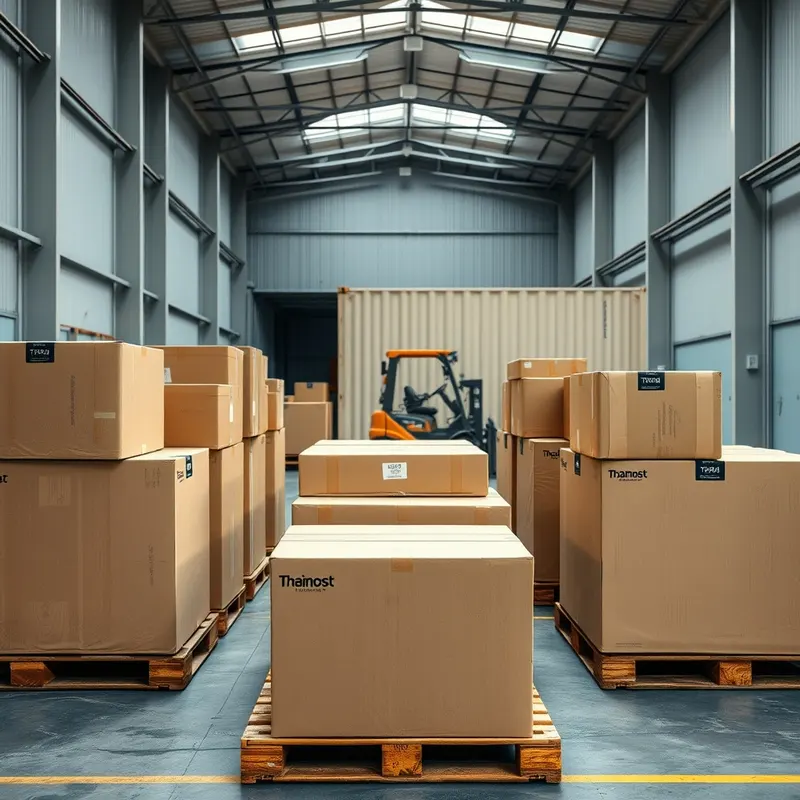
Furniture shipping involves considerations beyond standard cargo — pieces need proper crating or flat-pack disassembly to maximize container space and reduce damage risk, and some buyers prefer to work with freight forwarders experienced in furniture specifically. Ask suppliers whether they handle export packing in-house or work with a logistics partner, and clarify Incoterms (FOB, CIF, etc.) early in discussions so both sides understand who is responsible for each stage of the shipment. For buyers new to importing furniture, working with a logistics partner familiar with furniture handling can reduce the risk of damage claims and customs delays, though arrangements and timelines should always be confirmed directly with the supplier or forwarder rather than assumed.
How to Approach Supplier Verification
Given the range of supplier types and the investment typically involved in furniture orders, verification matters more here than in many other categories. Look for basic business registration details, factory photos or video, and if possible, references from past export clients. Platforms that clearly label supplier types — distinguishing Thai manufacturers from OEM/ODM factories, brand owners, and trading companies — can save significant time during initial screening. THAIMOST, for instance, organizes furniture and other export categories by verified supplier status (KYC/KYB) and factory audit badges, which helps buyers narrow down a shortlist before sending detailed inquiries. Still, verification badges reduce risk rather than eliminate it — buyers should always confirm samples, terms, and production details directly with the supplier before placing an order.
Need expert support?
Leave your details and our team will get back to you.
FAQ
Frequently asked questions
How do I find Thai furniture manufacturers for export without visiting Thailand in person?
Many buyers start by browsing verified supplier directories, reviewing factory photos and certifications, and requesting samples before committing. A B2B platform that distinguishes manufacturers from trading companies can help narrow your search, and video calls or third-party inspections can substitute for an in-person visit when needed.
What's the difference between a Thai manufacturer and a trading company for furniture sourcing?
A manufacturer owns or runs the production facility and typically offers more control over customization and quality, while a trading company sources from multiple factories and resells. Both can be valid sourcing options, but it's important to know which one you're dealing with, especially for custom or OEM projects.
Do I need special import permits for wood furniture from Thailand?
Requirements vary by destination country and depend on the wood species and packaging materials used. It's best to check directly with your country's customs or import authority regarding fumigation certificates, ISPM 15 wood packaging rules, and any species-specific restrictions before finalizing your order.
How can I compare quotes from different Thai furniture suppliers?
Request detailed quotes that specify material, dimensions, finish, lead time, and shipping terms (Incoterms) for the same product specification, so you're comparing like-for-like. Sending a standardized RFQ to multiple verified suppliers makes it easier to evaluate pricing and capability side by side.
Prepared by the Thaimost team for informational purposes. Some links may lead to referred partners.
Articles
Related articles

Thai Beverage Manufacturers for Export: A Buyer's Sourcing Guide
Thai drinks travel well: ready-to-drink teas, coconut water, fruit juices, functional shots and herbal beverages already sit on shelves from Manila to Dubai. Finding Thai beverage

Payment Terms When Buying From Thailand: A Practical Guide for Importers
If you're sourcing goods from Thailand for the first time, payment terms are usually where deals either move forward smoothly or stall out in confusion. Thai suppliers and internat

Thailand Trade Shows for Buyers 2026: A Practical Guide to Sourcing Smarter
If sourcing from Thailand is on your 2026 roadmap, trade shows remain one of the fastest ways to meet manufacturers face-to-face, test samples, and benchmark pricing before committ

Who Should Inspect Your Thailand Order Before It Ships — and When to Book Them
You've agreed on price, sample, and lead time with a Thai supplier. The order is in production. Now the question that trips up many first-time buyers: how do you actually arrange a

Thai Herbal Extract Suppliers: How Buyers Find and Verify Them
Thai herbal extract suppliers range from extraction plants to traders and OEM factories. Here is how to tell them apart, what to ask for, and how to verify before you buy.
Thai Pet Food Manufacturers Export: How to Vet Export Readiness
When you shortlist Thai pet food manufacturers, export readiness matters more than the product catalogue: a factory can make an excellent recipe and still be unable to ship it lega