
Buying guide
Thai Herbal Inhaler Suppliers: A Buyer's Guide to Sourcing from Thailand
Thai herbal inhalers — those small menthol-and-herb sticks found in pharmacies, convenience stores, and wellness shops across Thailand — have become a steady category for importers
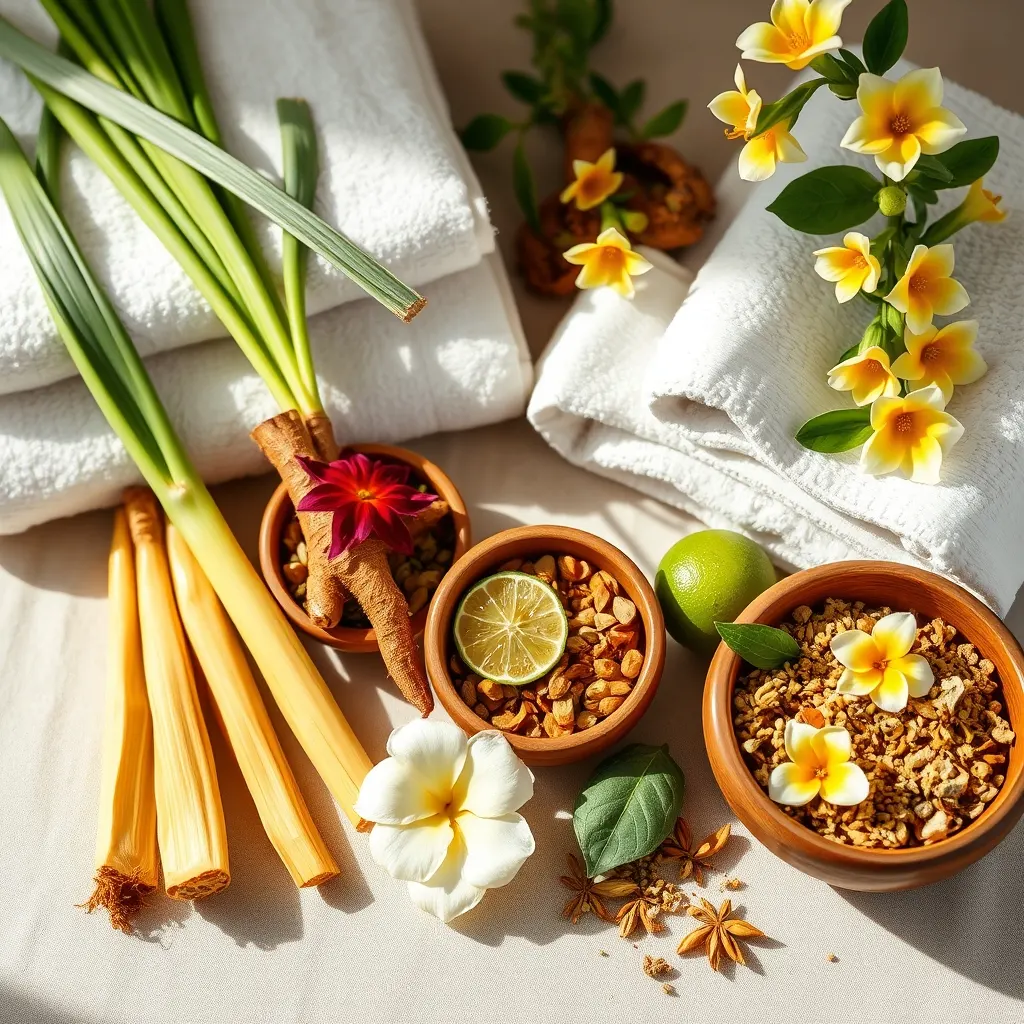
Thai herbal inhalers — those small menthol-and-herb sticks found in pharmacies, convenience stores, and wellness shops across Thailand — have become a steady category for importers and retailers worldwide. The blend of traditional Thai botanicals, a familiar format, and strong repeat-purchase appeal makes them attractive for wholesale buyers. But finding the right Thai herbal inhaler suppliers isn't just about picking the first factory that shows up in a search. Buyers need to understand manufacturer types, verification, documentation, and how to compare quotes properly before committing. This guide walks through what to look for and how to approach sourcing with confidence.
Why Thai Herbal Inhalers Attract International Buyers
Thai herbal inhalers draw on a long tradition of herbal formulation, combining ingredients such as menthol, camphor, and local botanicals in a compact, easy-to-use format. For buyers, the appeal is practical: low unit cost relative to perceived value, broad appeal across wellness, travel, and convenience retail channels, and a product story tied to Thailand's reputation for herbal and wellness goods. That said, demand alone doesn't guarantee a smooth sourcing process — the category includes everything from small home-based producers to larger OEM facilities, so buyers need a clear process to tell them apart.
Types of Suppliers You'll Encounter
When searching for Thai herbal inhaler suppliers, you'll typically come across a few distinct categories: manufacturers that actually produce the inhalers in-house, OEM/ODM factories that can formulate and pack under your own brand, brand owners selling their own finished products, and trading or export companies that resource from factories but don't manufacture themselves. None of these is inherently better, but they matter for different buyer goals. If you want private label production, you need an OEM/ODM factory, not a trading company. If you simply want to resell an existing Thai brand, a distributor or brand owner relationship may suit you better. Being upfront about which type you're dealing with avoids confusion later in negotiations.
What Verification Actually Tells You — and What It Doesn't
Verification status is one of the clearest early signals of supplier credibility. On platforms that run KYC/KYB checks, factory audits, or track response reliability, you'll often see badges distinguishing verified suppliers from unverified listings. This reduces some of the guesswork of cold outreach, since you know the company behind the listing has been checked at a basic level. However, verification is not a guarantee of product quality, consistent supply, or contract performance — it simply means the business identity and, in some cases, the facility have been confirmed. Buyers should still request samples, review available documentation, and confirm terms directly with the supplier before placing an order.
Documentation and Certifications: Ask, Don't Assume
Herbal inhalers sold internationally may need to meet specific labeling, ingredient, or import regulations depending on the destination market — these rules vary significantly by country. Rather than assuming a product is automatically compliant everywhere, ask the supplier directly what documentation is available for the specific SKU you're interested in, since certifications and paperwork are typically provided per product rather than blanket across a whole factory's catalogue. It's also worth checking with your own country's customs or import authority about requirements for herbal/cosmetic-adjacent products before finalizing an order, since rules can differ for items that touch on inhalation, topical use, or herbal claims.
How to Compare Quotes from Multiple Suppliers
Once you've shortlisted a few Thai herbal inhaler suppliers, send a clear RFQ (request for quotation) describing the product specification, intended packaging, and any customization needs such as private labeling. When quotes come back, compare more than just the unit price — look at lead time estimates, minimum order expectations, available certifications, and how responsive and detailed the supplier's communication is. A supplier that answers specific questions clearly and provides documentation promptly is often a better long-term partner than one offering the lowest price with vague answers. Keep in mind that quantities, pricing, and timelines are generally confirmed only once you're in direct quote discussions with a supplier, since they depend on product and order specifics.
Practical Steps Before You Commit
Before placing a bulk order, request physical samples to check scent strength, packaging quality, and shelf stability. Clarify Incoterms and shipping responsibilities early, since herbal products may have different handling requirements than standard dry goods. If you're new to importing from Thailand, it can help to work through a platform that lets you browse verified suppliers by category and send RFQs directly, since this gives you a structured way to compare multiple factories rather than relying on a single contact found through a general web search. THAIMOST (thaimost.com), for instance, is built around this kind of direct RFQ and quote-comparison process with verified Thai suppliers across wellness and herbal categories, alongside industries like Thai essential oil suppliers and Thai herbal balm suppliers.
When to Consider Private Label Over Resale
Some buyers prefer to resell an existing Thai herbal inhaler brand as-is, while others want to develop their own branded version with custom scent, packaging, or formulation. If your goal is a private label product rather than reselling an established name, you'll want to work with an OEM/ODM-capable factory rather than a trading company. For buyers exploring broader private label development across herbal and wellness categories, including formulation and packaging support, an OEM/ODM partner such as 5FINE (5fineglobal.com) is another option worth looking into alongside direct factory sourcing.
Need expert support?
Leave your details and our team will get back to you.
FAQ
Frequently asked questions
Are all Thai herbal inhaler suppliers factories?
No. Some listings are manufacturers producing in-house, others are OEM/ODM factories, brand owners, or trading/export companies that source from factories without manufacturing themselves. It's worth confirming which category a supplier falls into before negotiating, especially if you need private label production.
Does a verified supplier badge mean the product is automatically safe to import?
Verification typically confirms business identity and, in some cases, factory existence through checks like KYC/KYB or audits. It does not replace your own due diligence on product documentation, samples, and compliance with your destination market's import rules.
Can I get custom scents or branding on herbal inhalers?
Many OEM/ODM-capable suppliers can accommodate custom formulation and packaging, but this depends on the individual factory's capabilities. It's best to raise this directly when requesting a quote so the supplier can confirm what's feasible for your order.
How do I compare quotes from different suppliers fairly?
Look beyond unit price alone — review lead time estimates, available certifications for the specific product, communication responsiveness, and clarity of terms. Quantities and final pricing are generally confirmed once you're in direct discussion with the supplier about your specific order.
Prepared by the Thaimost team for informational purposes. Some links may lead to referred partners.
Articles
Related articles
Thailand Sourcing Agent vs Marketplace: Which Fits Your Order?
The Thailand sourcing agent vs marketplace question comes up as soon as a buyer realises there are two very different ways to reach a Thai factory: pay a person to find and manage
Thai Frozen Seafood Suppliers: A Buyer's Guide to Sourcing with Confidence
Thailand has long been a major hub for seafood processing and export, with frozen shrimp, squid, fish fillets, and value-added seafood products shipped to markets across Asia, the

Thailand Export Documents Checklist for Buyers: What to Request Before You Pay
If you're sourcing from Thailand for the first time, the paperwork can feel more confusing than the product itself. Which documents actually matter? Which ones protect you if somet

Thai Wholesale Marketplace Online: How Buyers Use One Well
A Thai wholesale marketplace online promises something importers used to get only by flying to Bangkok: a view of many suppliers at once, with profiles, product ranges and a way to ask for quotes.
Thai Snack Manufacturers for Export: A Buyer's Guide to Sourcing with Confidence
Thailand's snack industry is one of the country's most export-ready sectors — from fried seaweed and crispy durian to coconut chips and shrimp crackers, the range is wide and the p

Thailand Packaging Manufacturers Wholesale: A Practical Buying Guide
Thailand has become a go-to sourcing destination for packaging — from food-grade pouches and cosmetic bottles to rigid boxes and sustainable paper solutions. If you're a procuremen