
Buying guide
Thai Herbal Products Manufacturers Export: A Buyer's Guide to Sourcing Verified Suppliers
Thailand has built a reputation as one of Asia's strongest sources for herbal, wellness, and natural products — from traditional botanical extracts to modern formulations backed by

Thailand has built a reputation as one of Asia's strongest sources for herbal, wellness, and natural products — from traditional botanical extracts to modern formulations backed by long-standing know-how. For importers, retailers, and brand owners looking into thai herbal products manufacturers export options, the challenge isn't finding suppliers — it's finding the right ones, with the right capabilities, the right documentation, and a willingness to work transparently with international buyers. This guide walks through what to look for, how the sourcing process typically works, and how to reduce risk when connecting with manufacturers across Thailand's herbal and wellness sector.
Why Thailand Is a Strong Source for Herbal and Wellness Products
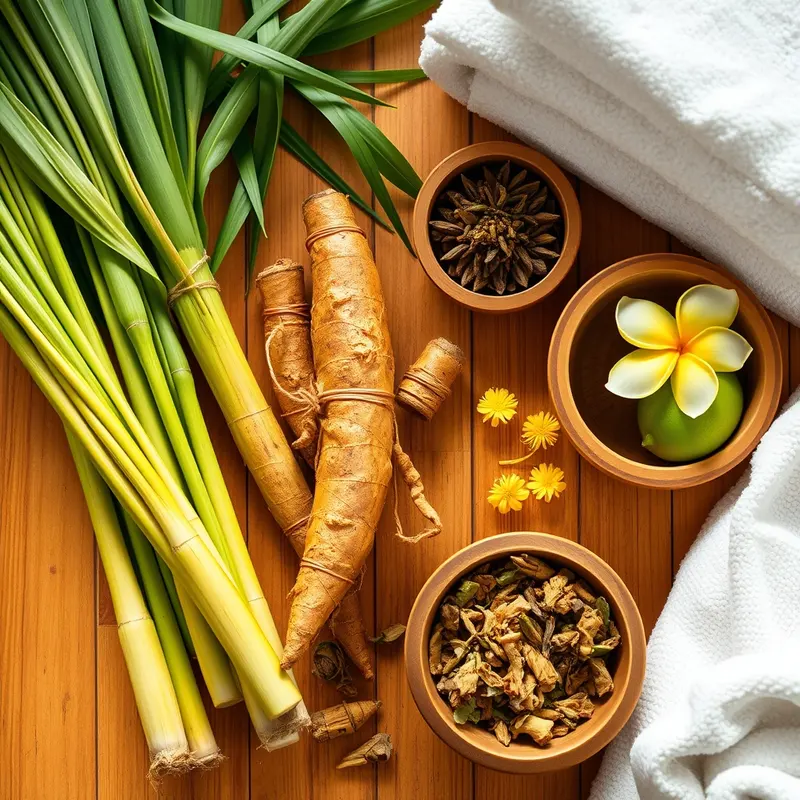
Thailand's herbal manufacturing base draws on a long tradition of botanical use, combined with a modern export-oriented industry that has scaled up production, packaging, and formulation capabilities. Many factories in this space don't just produce raw herbal extracts — they also work across adjacent categories such as skincare, supplements, and beverages, which means buyers sourcing herbal products can often find related categories from the same supplier base. For example, Thai skincare suppliers frequently incorporate herbal and botanical ingredients into their formulations, making Thailand a practical one-stop region for buyers building a natural or wellness-positioned product line. Similarly, Thai essential oil suppliers often overlap with herbal manufacturers, since many essential oils are extracted from the same raw botanical sources used in herbal medicine and spa products.
What to Look For Before Reaching Out
Before contacting any manufacturer, it helps to clarify a few things on your end: the specific herbal category you need (extracts, capsules, teas, topical products, oils), your target market's import regulations, and whether you need private label or OEM production versus ready-made branded goods. Once that's clear, start evaluating suppliers based on their stated capabilities — manufacturing scale, export experience, formulation support, and whether documentation (such as available certifications) is provided per product. Always ask directly rather than assuming; certification and compliance documents vary by item and should be confirmed during the quotation stage, not after.
Working With Verified Suppliers Reduces — But Doesn't Remove — Risk
One of the most practical steps a buyer can take is prioritizing verified suppliers over unverified listings or informal trading contacts. Verification typically means a supplier has gone through some form of identity and business confirmation (KYC/KYB), and in stronger cases, factory audits. This doesn't guarantee a perfect transaction, but it does narrow the field to businesses that are at least traceable and accountable. On platforms like THAIMOST, supplier badges such as Verified Supplier, Factory Audited, or Gold Exporter help buyers quickly distinguish between manufacturers, OEM/ODM factories, brand owners, distributors, and trading companies — a distinction that matters a lot when you specifically need a factory rather than a reseller. Even so, buyers should still request samples, confirm terms directly, and do their own due diligence before committing to an order.
OEM/ODM Options for Private Label Herbal Products
Many buyers entering the herbal and wellness space aren't looking for ready-made products — they want to build their own brand. This is where OEM/ODM factories come in. These manufacturers can develop formulations, handle packaging design input, and produce under your brand name, often across herbal extracts, supplements, and topical wellness products. If private label is the goal, it's worth clarifying upfront whether a factory offers OEM/ODM services or only sells its own branded line — this is a common point of confusion when sourcing. For buyers specifically focused on building a cosmetics or personal care brand with Thai manufacturing, a dedicated OEM/ODM partner such as 5FINE (5fineglobal.com) is another route worth exploring, particularly when formulation development and GMP-certified production are priorities.

Beyond Herbal: Related Categories Worth Exploring
Buyers sourcing herbal products often find value in exploring adjacent Thai export categories at the same time, since many factories and trading companies operate across multiple lines. Thai coffee and tea products, for instance, frequently include herbal-infused blends and functional beverages that appeal to the same wellness-focused end consumers. Bundling related categories from the same sourcing trip — or the same shortlist of suppliers — can also make logistics and communication more efficient for smaller or mid-sized import orders.
How the Sourcing Process Typically Works
On a B2B platform, the general flow looks like this: browse suppliers by category, certification, or capability; send a request for quotation (RFQ) or ask for samples directly from the supplier; compare quotes on price, MOQ, lead time, and certifications; then negotiate terms and move forward with the supplier directly. THAIMOST, for example, lets buyers send RFQs free of charge and message verified suppliers directly, without routing through layers of intermediaries. Note that at this stage, payment and final terms are handled directly between buyer and supplier — the platform's role is to help you find and compare, not to process transactions.
Need expert support?
Leave your details and our team will get back to you.
FAQ
Frequently asked questions
How do I know if a Thai herbal manufacturer is legitimate?
Look for suppliers that have gone through some form of verification (KYC/KYB) and, where possible, factory audits. Ask for business registration details, product documentation, and samples before placing an order, and don't rely solely on claims made in a listing.
Can I get private label herbal products from Thai factories?
Yes, many Thai manufacturers offer OEM/ODM services for herbal extracts, supplements, and topical wellness products. Confirm with each supplier whether they support private label development, as not all factories offer this.
Do I need to worry about import regulations for herbal products?
Yes — herbal and wellness products are often subject to specific import rules depending on your destination market. It's best to check with your local customs authority or an import/export consultant before finalizing an order.
What's the difference between a manufacturer and a trading company?
A manufacturer or OEM/ODM factory actually produces the goods, while a trading or export company resells products sourced from various factories. Platforms that clearly label supplier types help buyers avoid confusing the two when a factory relationship is specifically needed.
Prepared by the Thaimost team for informational purposes. Some links may lead to referred partners.
Articles
Related articles

Thai Auto Parts Manufacturers: How Buyers Tell a Factory From a Trader
Buyers searching for Thai auto parts manufacturers usually face the same problem: many companies look like factories online, but only some actually produce the parts they sell. Tha

Manufacturer vs Trading Company: How to Tell the Difference
Working out manufacturer vs trading company how to tell is a practical skill: the answer changes your pricing, your technical support and the documents you can expect.
Thai Food Manufacturers List: How to Build One You Can Trust
Searching for a Thai food manufacturers list usually produces one of two things: a directory of names with no context, or a page selling you

Thailand Minimum Order Quantities Explained for First-Time Buyers
Thailand minimum order quantities explained simply: a MOQ is the smallest order a supplier is willing to produce or sell, and it is one of the first numbers an international buyer

Who Should Inspect Your Thailand Order Before It Ships — and When to Book Them
You've agreed on price, sample, and lead time with a Thai supplier. The order is in production. Now the question that trips up many first-time buyers: how do you actually arrange a
Shortlisting Thai Baby Products Suppliers Without Guessing on Safety
Baby products are the one category where a buyer cannot afford to take a supplier's word for it. Parents read every label, and regulators treat anything for infants more strictly t