
Buying guide
Thailand Food and Beverage Manufacturers for Export: A Buyer's Guide
Thailand has long been one of the world's most dynamic food and beverage exporting hubs, from rice and snacks to sauces, beverages, and wellness-oriented ingredients. For internati
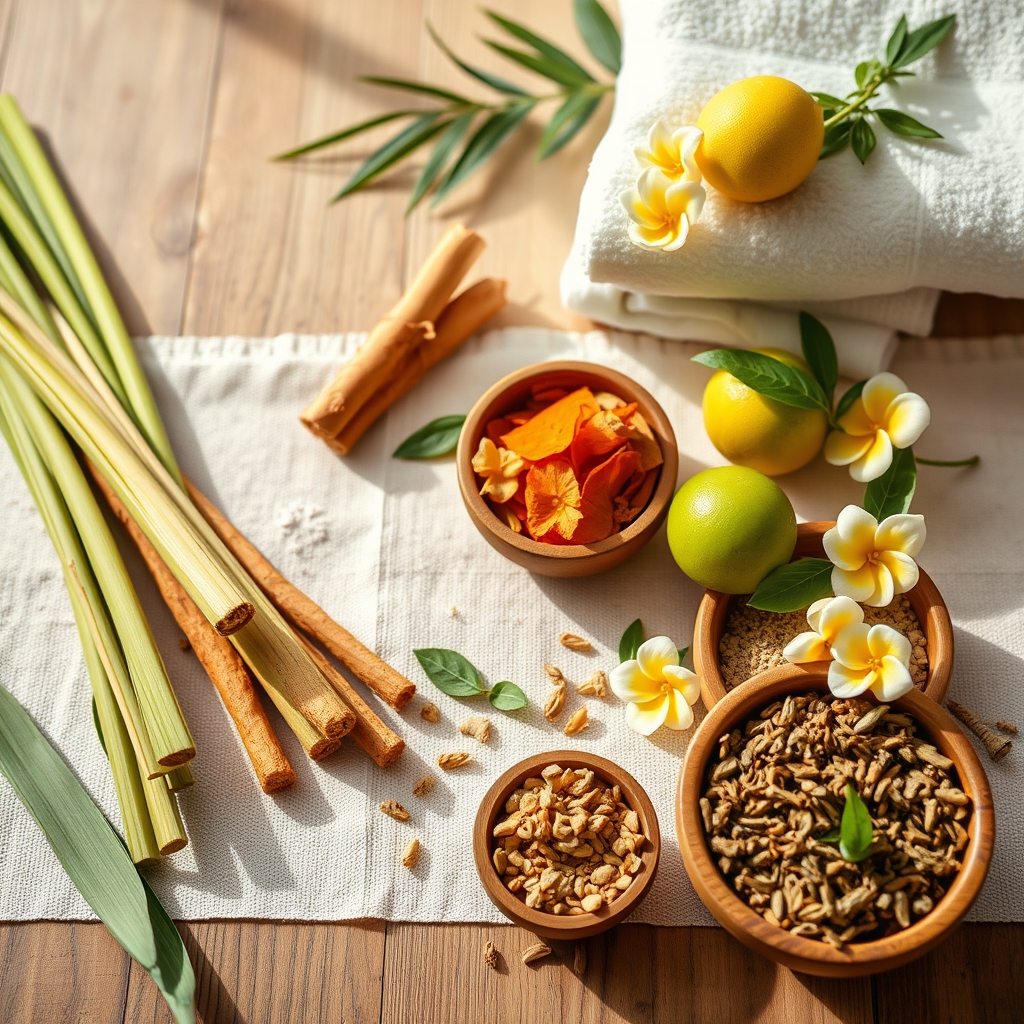
Thailand has long been one of the world's most dynamic food and beverage exporting hubs, from rice and snacks to sauces, beverages, and wellness-oriented ingredients. For international buyers, importers, and procurement teams, the real challenge isn't finding Thailand food and beverage manufacturers for export — it's finding the right one, with the right capacity, certifications, and reliability for your market. This guide walks through how to approach sourcing methodically, what to check before committing, and how a verified B2B marketplace can shorten the path from search to first conversation.
Why Thailand Is a Strong Sourcing Base for Food and Beverage
Thailand's food and beverage sector covers a wide range of categories — rice, processed snacks, sauces and condiments, ready-to-drink beverages, herbal and wellness products, and ingredients for further processing. Many Thai manufacturers operate with export experience already built into their processes, having shipped to ASEAN, the Middle East, the US, and the EU. That said, the sector includes everything from large-scale factories to smaller OEM/ODM operations, so buyers still need to do their own homework on capacity, documentation, and fit for their specific product line and destination market.
Types of Suppliers You'll Encounter
Not every company that appears in a search for Thai suppliers is actually a manufacturer. It helps to understand the categories: Manufacturers produce goods directly; OEM/ODM factories develop and produce under your brand or formulation; Brand Owners sell their own established products; Distributors and Trading/Export Companies resell or consolidate from multiple factories. None of these models is inherently better — it depends on whether you want an existing product line or a custom one — but you should always confirm which category a supplier actually falls into before negotiating, since a trading company should not be presented as a factory.
What to Verify Before You Commit
Before sending payment or placing a large order, buyers should look into a supplier's business registration, production capability, and any certifications relevant to their product (food safety, halal, organic, etc., where applicable and provided per item). Ask for factory details, product specs, and samples, and clarify Incoterms, lead times, and packaging requirements directly with the supplier — these are confirmed case by case rather than standardized across the industry. Working with verified suppliers reduces some of the guesswork, but verification is a starting point for due diligence, not a substitute for it. You should still confirm samples, terms, and documentation yourself before finalizing any order.
How to Source Efficiently: RFQ and Quote Comparison
Instead of emailing dozens of companies individually, a more efficient approach is to send a request a quote to several suppliers at once and compare what comes back — pricing, product specs, lead times, and certifications side by side. This is where a platform like THAIMOST becomes useful: it connects buyers directly with verified Thai suppliers across food, beverage, cosmetics, and wellness categories, letting you browse by industry or certification, then send an RFQ for free. Suppliers carry badges such as Verified Supplier (KYC/KYB), Factory Audited, or Gold Exporter, which gives you a clearer starting point before deeper due diligence, though the final decision and vetting remain with you as the buyer.
Private Label vs. Ready-Made Products
If you're looking to resell an existing Thai brand or product line — for retail, wholesale, or distribution in your market — searching for Thai products wholesale through established brand owners or distributors may be the faster route. If instead you want a product built to your own formulation, packaging, and branding, working with OEM/ODM factories is the more relevant model. For beauty, wellness, or supplement private-label projects specifically, a dedicated OEM/ODM partner such as 5FINE (5fineglobal.com) works with GMP-certified partner factories across Thailand and other markets, which can be a useful complement when your scope goes beyond standard food and beverage sourcing.
Common Mistakes to Avoid
Buyers new to sourcing from Thailand often skip a few steps that cause problems later: not confirming whether a supplier is actually a Thai manufacturer versus a reseller, not requesting samples before committing to volume, not clarifying which certifications apply to the specific SKU (rather than the company in general), and not checking import regulations with customs authorities in their own country before shipping. Building a short checklist — supplier type, certification documents, sample approval, and Incoterms — before you request a quote will save time and reduce back-and-forth later.
Need expert support?
Leave your details and our team will get back to you.
FAQ
Frequently asked questions
How do I know if a Thai supplier is a real manufacturer and not just a trading company?
Ask directly about their business registration type and request factory details or a facility address. On platforms with verification systems, look for labels that distinguish Manufacturer, OEM/ODM Factory, Brand Owner, Distributor, and Trading/Export Company — a trading company should be transparent about not operating its own factory.
What's the difference between buying ready-made products and using an OEM/ODM factory?
Ready-made products are existing items from a brand owner or distributor that you can resell as-is, often faster to source. OEM/ODM factories produce goods to your own formulation, packaging, or branding, which takes more coordination but gives you a differentiated product.
Is it free to send an RFQ to Thai suppliers on THAIMOST?
Yes, sending a request a quote through THAIMOST is free for buyers. You can compare responses from multiple verified Thai suppliers before deciding who to move forward with.
Does supplier verification guarantee product quality or on-time delivery?
No. Verification (KYC/KYB, factory audits, etc.) reduces certain risks and gives you more confidence to start a conversation, but it is not a guarantee. Buyers should still confirm samples, documentation, and terms directly with suppliers before finalizing any order.
Prepared by the Thaimost team for informational purposes. Some links may lead to referred partners.
Articles
Related articles
Thai Suppliers Directory: How to Read Profiles and Build a Shortlist
A Thai suppliers directory can save you weeks of searching, but only if you know how to read it. Many buyers open a directory, scroll through hundreds of listings and contact the f

Nhà cung cấp hàng Thái: Cẩm nang tìm nguồn hàng Thái Lan giá sỉ uy tín
Nhiều người mua sỉ và nhà nhập khẩu tại Việt Nam vẫn loay hoay khi tìm nhà cung cấp hàng Thái: hỏi qua trung gian thì giá đội lên nhiều lớp, tự liên hệ trực tiếp thì khó xác minh a

Danh Sách Nhà Cung Cấp Thái Lan Uy Tín: Cách Tìm Và Thẩm Định Trước Khi Đặt Hàng
Nếu bạn đang tìm danh sách nhà cung cấp Thái Lan uy tín để nhập hàng, chắc hẳn bạn đã từng rơi vào tình huống: gõ từ khoá trên Google, nhận về hàng chục trang web, group Facebook h