
Buying guide
How to Source Products from Thailand: A Buyer's Guide to Verified Suppliers
Thailand has long been a sourcing hub for global buyers — from rice and processed food to cosmetics, wellness goods, and OEM manufacturing. But if you've ever tried to source produ
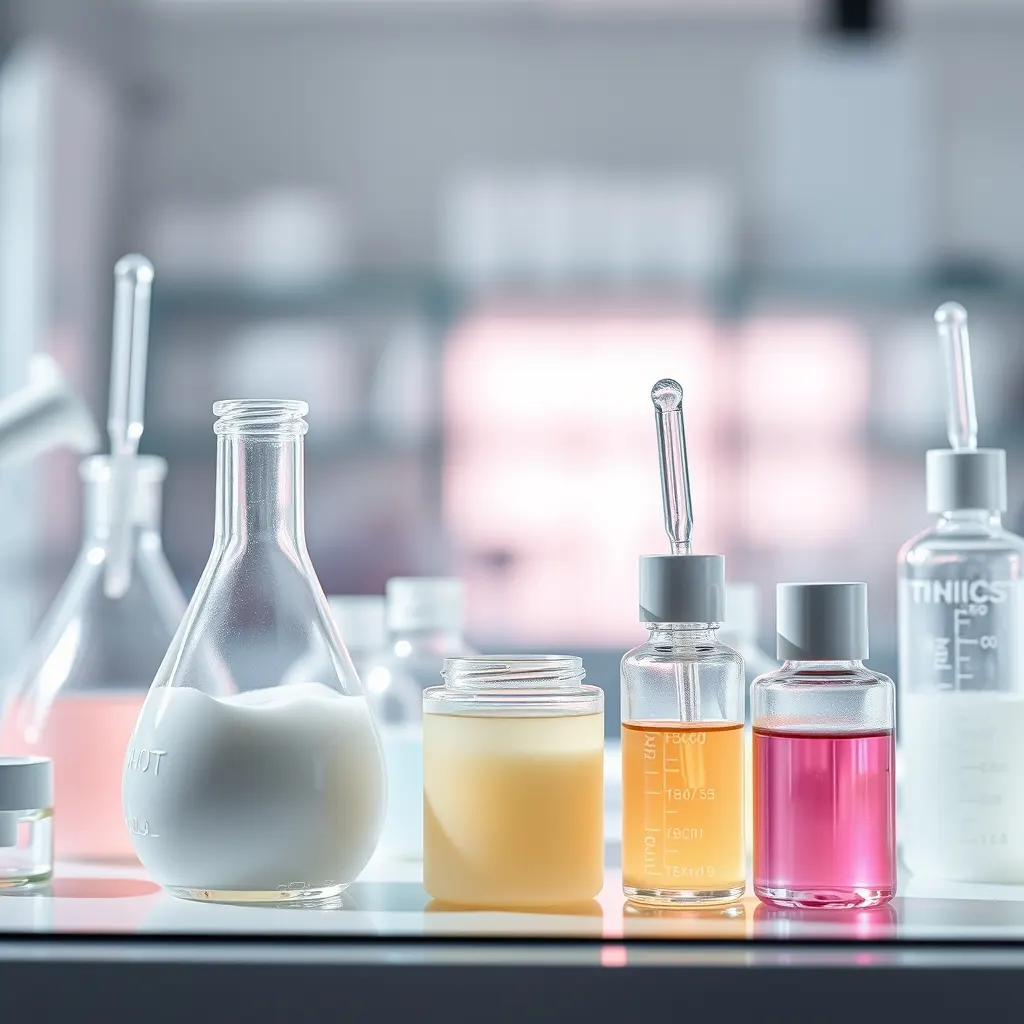
Thailand has long been a sourcing hub for global buyers — from rice and processed food to cosmetics, wellness goods, and OEM manufacturing. But if you've ever tried to source products from Thailand on your own, you know the challenge isn't finding suppliers, it's finding ones you can actually trust. Trading companies pose as factories, quotes vary wildly, and due diligence across language and legal barriers eats up time. This guide walks through a practical approach to sourcing from Thailand, with fewer guesses and more verified information before you commit to an order.
Why buyers look to Thailand for sourcing
Thailand's manufacturing base is diverse and export-oriented, with strong clusters in food and beverage, cosmetics, herbal and wellness products, packaging, and rice. Many factories already export regionally or internationally, meaning they're familiar with documentation, Incoterms, and quality expectations buyers bring to the table. This makes Thailand products wholesale sourcing attractive for importers, distributors, and retail buyers looking to diversify beyond more saturated sourcing markets — but it still requires the same discipline: verifying who you're actually dealing with before placing an order.
Know the type of supplier you're talking to
One of the most common mistakes buyers make is assuming every supplier is a manufacturer. In reality, Thai suppliers fall into several categories: manufacturers, OEM/ODM factories, brand owners, distributors, trading companies, and export companies. A trading company can be a legitimate and useful partner for consolidating orders, but it should never be presented as a factory. Before sending a request, ask directly what type of supplier you're speaking with — this single question filters out a lot of confusion later, especially if you're negotiating custom specifications or private-label production.
Start with verified Thai suppliers, not cold outreach
Cold-emailing factories found through generic directories or social media is slow and risky — there's no way to confirm business registration, production capability, or export history upfront. Platforms that run KYC/KYB checks and factory audits give you a starting shortlist of verified Thai suppliers, which narrows your search to businesses that have already passed a baseline check. This doesn't replace your own due diligence, but it does mean you're not starting from zero every time you evaluate a new contact.
Request quotes and compare before committing
Once you've identified a few candidates, send a clear RFQ (request for quotation) with your product specs, target quantity range, and destination country. Avoid vague inquiries — the more specific you are, the faster and more accurate the quotes you'll receive. Compare responses not just on price, but on lead time estimates, available certifications, and communication responsiveness. For Thai products wholesale purchases, it's worth requesting samples before confirming any bulk order, and always clarify terms and documentation requirements with each supplier directly rather than assuming they're standard across the industry.

Sourcing for private label vs. ready-made products
If you're looking to resell existing Thai brands, working with distributors or brand owners who already have finished products is the simpler path. But if you want to build your own brand, you'll need OEM/ODM factories that can develop formulations, packaging, and production runs under your label. This is a different sourcing conversation — one that involves minimum order discussions, formulation development timelines, and certification documentation specific to the product category. For buyers focused purely on private-label beauty, wellness, or supplement development with factories across multiple countries, a dedicated OEM/ODM partner like 5FINE (5fineglobal.com) is also worth exploring alongside Thai options.
Due diligence doesn't stop after verification
A 'verified' badge reduces risk, but it is not a guarantee of a successful transaction. Always confirm product samples match your expectations, review payment terms carefully, and check import regulations with the customs authority or clearance agent in your own country before finalizing an order. Certifications should be requested and reviewed per product, not assumed to apply across a supplier's entire catalog. Treat verification as a useful filter, not a substitute for your own evaluation process.
Need expert support?
Leave your details and our team will get back to you.
FAQ
Frequently asked questions
What's the best way to find verified Thai suppliers online?
Look for platforms that conduct KYC/KYB checks and factory audits before listing suppliers, and that clearly distinguish between manufacturers, OEM/ODM factories, and trading companies. This gives you a more reliable starting point than open directories or social media searches.
Can I source products from Thailand without visiting in person?
Yes, many buyers source remotely by requesting quotes, samples, and documentation online. That said, for larger or recurring orders, some buyers choose to visit the factory or arrange a third-party audit before committing to a long-term relationship.
How do I know if a supplier is a real factory or just a trading company?
Ask directly about their business type and production facilities, and request documentation or audit reports if available. A legitimate trading company isn't a problem in itself, but it should be transparent about not being the manufacturer.
Is it possible to request custom formulations or private-label products from Thailand?
Yes, OEM/ODM factories in categories like cosmetics, wellness, and food and beverage often accept custom development projects, though timelines, quantities, and certification requirements vary by product and should be confirmed directly with the factory during quotation.
Prepared by the Thaimost team for informational purposes. Some links may lead to referred partners.
Articles
Related articles
Tìm nhà máy Thái Lan: phân biệt nhà máy thật và công ty thương mại
Khi tìm nhà máy Thái Lan, phần lớn thời gian của người mua bị tiêu vào việc nói chuyện với bên không sản xuất. Vấn đề không phải họ gian, mà là người mua không hỏi đúng câu để biết mình đang nói với ai.

كيفية الاستيراد من تايلاند: دليل عملي للمشترين في الإمارات
يبحث عدد متزايد من المستوردين وتجار الجملة في الإمارات عن مصادر توريد جديدة، وتايلاند تمثل خياراً مثيراً للاهتمام بفضل تنوع صناعاتها في الأغذية والمشروبات ومستحضرات التجميل والعناي
Thai Manufacturers Accepting Small Orders: How to Find Them
Looking for Thai manufacturers accepting small orders is one of the most common questions new buyers ask, and the way it is usually