
Buying guide
Buying Thai Home Decor Wholesale? Here's How to Tell a Real Factory From a Reseller
Thailand's home decor sector covers a wide range — teak and mango wood furniture, rattan and water hyacinth baskets, ceramics from Lampang and Ratchaburi, silk cushions, handmade c
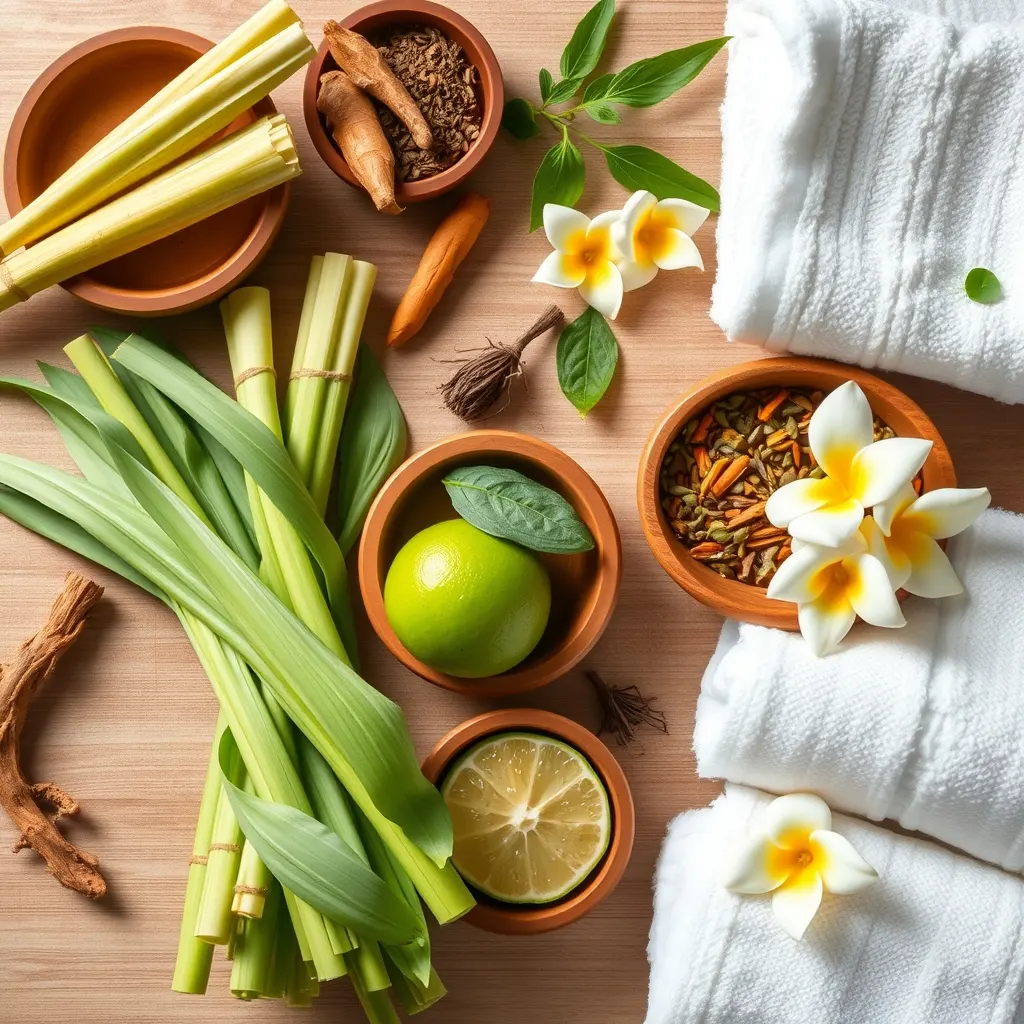
Thailand's home decor sector covers a wide range — teak and mango wood furniture, rattan and water hyacinth baskets, ceramics from Lampang and Ratchaburi, silk cushions, handmade candles, and spa-style accessories. That breadth is exactly why sourcing gets confusing. Two suppliers can show you near-identical photos of a woven basket, but one is the workshop that made it and the other bought it from a wholesale market to resell at a markup. If you're building a catalog for retail, hospitality, or a private label home line, knowing the difference affects your pricing, your lead times, and how much customization you can realistically ask for. This guide walks through what to check before you commit to a Thai home decor supplier.
Why 'home decor' hides very different supplier types
Unlike a single-category product, home decor is really a bundle of crafts: woodworking, weaving, pottery, textiles, metalwork, and sometimes scented products like candles or diffusers. A supplier who lists all of these under one storefront is often a trading company sourcing from several small workshops around the country — which isn't necessarily bad, but it changes what you should expect. A trading company can usually offer more variety and lower minimums, but less control over consistency and almost no ability to customize materials or finishes. A manufacturer or workshop, on the other hand, tends to specialize in one or two categories (say, rattan furniture or ceramic tableware) and can go deeper on custom molds, wood types, glazes, or packaging. Before comparing quotes, ask directly: is this item made in-house, or sourced from another producer? A supplier that answers clearly and without hesitation is usually one worth shortlisting.
Check the production region, not just the showroom
Thailand's decor clusters are geographically specific: Chiang Mai and the north for wood carving and lacquerware, Ayutthaya and central Thailand for rattan and water hyacinth weaving, Ratchaburi for ceramics (the famous Mangkorn dragon jars), and Bangkok for design-forward showrooms that often source from all of the above. A supplier whose showroom is in Bangkok but whose production is in Chiang Mai isn't doing anything wrong — but you should know this before you ask for a factory visit or a rush order, since travel time and communication with the actual workshop can add steps. Ask for the production address separately from the sales or showroom address, and request photos or video of the workshop floor, not just finished-product shots.
Materials, finishing, and export compliance matter more than they look
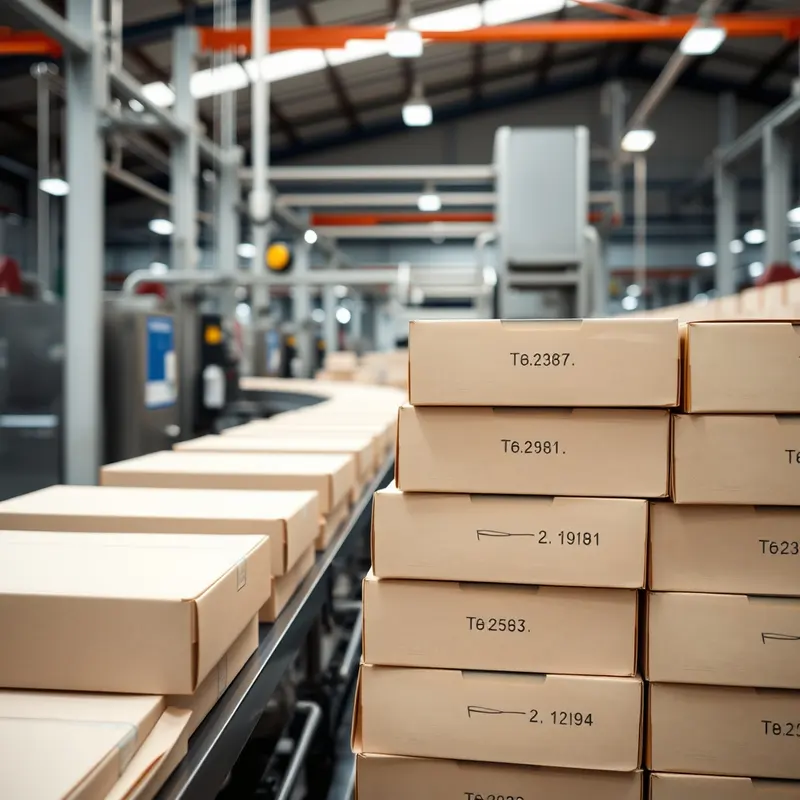
Home decor items often cross borders more easily on paper than they do in practice. Wood products may need to show they're not made from restricted species, and some countries have import rules around treated wood, rattan, or natural fiber products (fumigation certificates for pest control are common requests). Ceramics and glass need to be checked for how they're packed, since breakage claims are a frequent dispute point with decor shipments. If a product uses dyes, lacquer, or metallic finishes, ask whether the finish is food-safe or skin-safe where relevant — for example, decorative trays or bowls that could plausibly be used to serve food. None of this is a compliance guarantee from the supplier's side; it's information you confirm yourself, item by item, and verify with your own country's import authority or customs broker before placing a full order.
Sampling decor products is different from sampling other goods
Decor items are visual and tactile products — color variation in natural materials (wood grain, rattan tone, hand-glazed ceramics) is normal and often part of the appeal, but it can also become a dispute if you're expecting uniform batches for retail shelving. When you request samples, ask the supplier to show you the typical range of variation across a production run, not just a single hero piece. For handmade items, also ask how consistent sizing and finish are expected to be at your order volume — this is where distinguishing a manufacturer from a trading company matters again, since a direct workshop can usually speak to this more specifically than a reseller passing along someone else's answer.
Packaging and freight planning for fragile and bulky decor
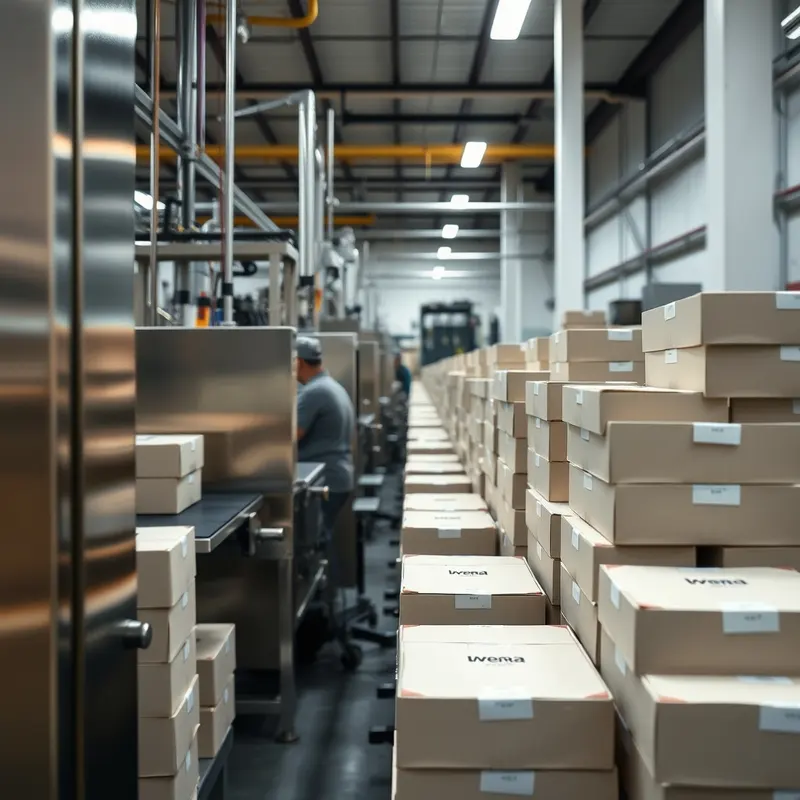
Home decor is a category where packaging quality can make or break your margin. Ceramics and glass need protective packing that survives ocean freight handling, and bulky items like furniture or large baskets affect container utilization and freight cost per unit more than small, stackable goods. Ask the supplier upfront how they typically pack for export versus domestic sale, and whether packaging is included in the quoted price or billed separately. For larger furniture orders, it's also worth asking whether they've exported similar pieces before — a supplier with export experience in exactly this category will usually have answers ready rather than needing to figure it out mid-order.
How to shortlist without visiting Thailand in person
Not every buyer can fly out for a factory audit before the first order, which is why verification signals matter. Look for suppliers who are upfront about their business registration, show workshop or production photos (not just stock catalog images), and are willing to do a video call walkthrough of their facility. On a B2B platform, checking for verified suppliers with KYC documentation on file gives you a starting filter, though it doesn't replace your own due diligence on sample quality, communication, and terms. Comparing multiple quotes side by side — on price, MOQ, lead time, and what's actually included — is one of the fastest ways to see which suppliers are structured for export and which are more used to domestic retail.
Need expert support?
Leave your details and our team will get back to you.
FAQ
Frequently asked questions
How do I know if a Thai home decor supplier is a real manufacturer or just reselling?
Ask directly whether the item is produced in-house and request photos or video of the actual workshop, not just the showroom or finished products. Suppliers who can answer specifics about materials, finishing time, and production capacity are usually the ones making the goods themselves.
What questions should I ask before ordering a sample of home decor products?
Ask about typical variation in color, grain, or glaze across a production batch, how the item is packed for export, and whether the sample reflects what you'd receive at your intended order volume. Natural materials vary piece to piece, so understanding the acceptable range matters more than it does for manufactured goods.
Are there import restrictions on wood or rattan home decor from Thailand?
Some countries require documentation for wood species or pest treatment on natural fiber products like rattan and water hyacinth. Rules vary by destination, so check with your own country's customs authority or a broker before confirming a full order, rather than relying solely on supplier claims.
Is it better to source furniture and small decor items from the same supplier?
It depends on the supplier's specialization — some trading companies bundle furniture, ceramics, and textiles under one catalog, while dedicated workshops usually focus on one craft. Bundling can simplify logistics, but a specialist is often better placed to handle customization or quality consistency within their category.
Prepared by the Thaimost team for informational purposes. Some links may lead to referred partners.
Articles
Related articles

Thailand Minimum Order Quantities Explained for First-Time Buyers
Thailand minimum order quantities explained simply: a MOQ is the smallest order a supplier is willing to produce or sell, and it is one of the first numbers an international buyer

Thai Products Wholesale: A Practical Buyer's Guide to Sourcing Direct from Verified Thai Suppliers
Thai products wholesale buying looks simple from the outside — find a factory, ask for a price, place an order. In practice, most international buyers lose time in the middle: uncl

Thailand B2B Marketplace for International Buyers: A Practical Sourcing Guide
Sourcing from Thailand has long attracted international buyers looking for strong manufacturing capability across food, beverage, cosmetics, wellness, and packaging. But finding th
Payment Terms When Buying From Thailand: A Practical Guide for Importers
If you're sourcing goods from Thailand for the first time, payment terms are usually where deals either move forward smoothly or stall out in confusion. Thai suppliers and internat

Sourcing Thai Coffee for Wholesale: What Buyers Actually Need to Know Before Contacting Suppliers
Thailand's coffee scene has grown far beyond the highland farms of Chiang Mai and Chiang Rai. Today there are roasters, green bean traders, instant coffee manufacturers, and privat

Thai Rice Exporters Directory: A Buyer's Guide to Sourcing Rice from Thailand
Thailand has long been one of the world's major rice origins, offering everything from jasmine (hom mali) rice to parboiled and glutinous varieties for export. But for a buyer outs