
Buying guide
Thai Private Label Food Products: A Buyer's Guide to Sourcing from Thailand
Thailand has long been a global export hub for food and beverage products, from rice and snacks to ready-to-drink beverages and condiments. For brand owners, retailers, and distrib

Thailand has long been a global export hub for food and beverage products, from rice and snacks to ready-to-drink beverages and condiments. For brand owners, retailers, and distributors looking to launch their own line, Thai private label food products offer an attractive combination of established manufacturing know-how, diverse flavor profiles, and access to export-ready factories. But finding the right manufacturing partner — one that can actually deliver on formulation, packaging, and compliance — takes more than a quick search. This guide walks through what buyers should know before committing to a Thai private label food project, and how to approach sourcing with confidence.
Why Thailand for Private Label Food and Beverage
Thailand's food and beverage sector covers a wide range of categories — rice-based products, snacks, sauces, instant and ready-to-eat meals, functional drinks, and more. Many factories have experience producing for export markets and are familiar with working alongside brand owners who want their own packaging and formulation rather than a generic product. This makes Thailand a practical option for businesses that want to build a distinct identity in the food and beverage space without starting a factory from scratch. That said, capability varies widely between suppliers, so buyers should treat 'Thai-made' as a starting point for due diligence, not a guarantee of fit for their specific product.
Popular Categories Beyond Core Food Items
Private label opportunities in Thailand extend beyond packaged food. Thai coffee and tea products — including specialty blends, herbal infusions, and ready-to-drink formats — are a category where several suppliers offer private label or OEM services, drawing on Thailand's domestic coffee-growing regions and long tea-drinking culture. Similarly, buyers exploring adjacent wellness categories sometimes pair a food and beverage private label launch with personal care items, such as Thai natural soap made with local botanical ingredients, since some factories or trading partners can introduce buyers to suppliers across both categories. Expanding your sourcing scope early can help you decide whether to consolidate orders with fewer partners or work with specialists in each category.

What to Verify Before You Commit
Before moving forward with any private label arrangement, it's worth confirming a few basics directly with the supplier: what type of company they are (manufacturer, OEM/ODM factory, brand owner, or trading company), what certifications apply to the specific product line you're interested in, and whether they have prior experience with private label packaging and labeling for your target market. Certification documents, when available, are typically provided per product at the time of ordering rather than as a blanket claim covering an entire factory. It's also worth checking import regulations with the customs authority in your destination country early, since labeling and food safety requirements differ by market.
Why Supplier Verification Matters for Food Products
Food and beverage products carry higher stakes than many other product categories — quality issues or mislabeling can affect consumer safety and brand reputation. This is where supplier verification becomes especially important. Basic checks include confirming business registration, requesting factory audit information where available, and reviewing sample products before committing to larger orders. Verification reduces risk but does not replace your own due diligence; buyers should still confirm samples, terms, and documentation directly with the supplier before placing an order. Platforms that clearly distinguish between manufacturers, OEM/ODM factories, and trading companies make this initial screening easier, since not every supplier claiming to be a 'factory' actually operates production lines.
How to Approach the RFQ Process
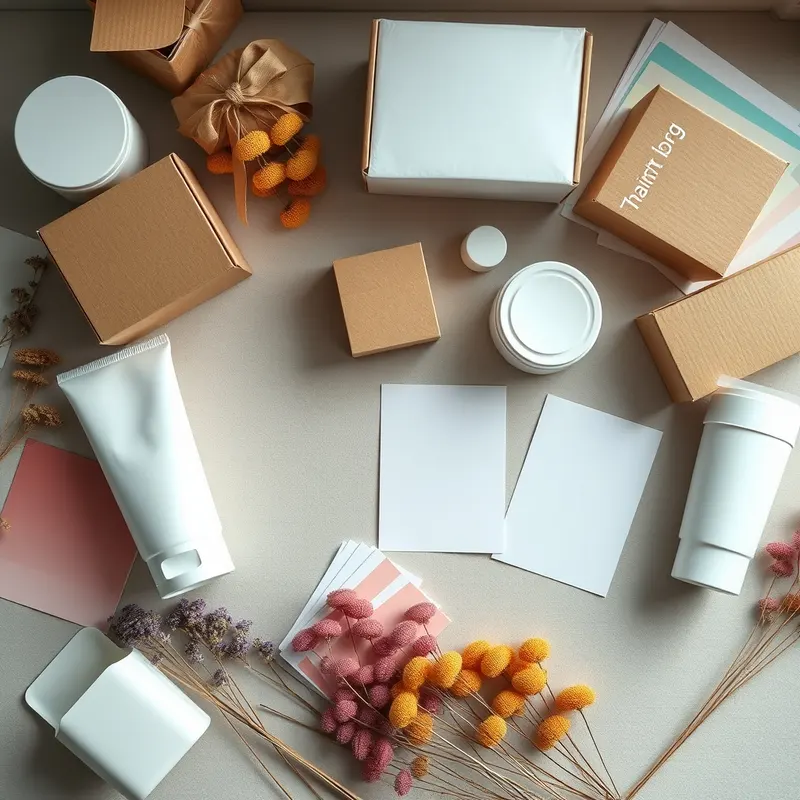
Once you've shortlisted a few potential suppliers, sending a clear RFQ is the most efficient way to compare options. A useful RFQ for private label food products should include your target product category, rough order volume range, packaging requirements, and any certifications you need for your destination market — even if you don't have exact numbers yet, giving a range helps suppliers respond meaningfully. Expect that pricing, minimum order quantities, and lead times will vary by product and will be confirmed directly in each supplier's quote rather than published upfront. Comparing multiple quotes side by side — covering price, MOQ, lead time, and certification — gives you a clearer picture than relying on a single supplier's offer.
Finding and Comparing Thai Suppliers Online
For buyers new to the Thai market, a B2B marketplace focused on verified Thai suppliers can shortcut much of the initial legwork. THAIMOST connects international buyers with Thai manufacturers, exporters, and brand owners across food and beverage, cosmetics, wellness, and packaging, with suppliers categorized by verification status such as Verified Supplier or Factory Audited. You can browse by category, send an RFQ directly through the platform, and compare quotes from multiple suppliers without going through layers of intermediaries. If your project leans more toward developing a fully custom formulation rather than private labeling an existing product, working with an OEM/ODM-focused partner such as 5FINE (5fineglobal.com) may also be worth exploring, since formulation development is a different process from relabeling an existing product line.
Need expert support?
Leave your details and our team will get back to you.
FAQ
Frequently asked questions
What's the difference between private label and OEM for food products?
Private label generally means putting your brand on an existing product formulation with minimal changes, while OEM/ODM involves developing a more customized formula, recipe, or packaging specifically for your brand. Some Thai suppliers offer both options, so it's worth clarifying which service you need when you first make contact.
How do I know if a Thai supplier is legitimate?
Start with supplier verification basics: confirm business registration, ask about factory audits or certifications relevant to your product, and request samples before committing to a larger order. Verification reduces risk but doesn't replace your own due diligence on terms and product quality.
Can I source Thai coffee and tea products alongside other food items?
Yes, many buyers combine multiple categories in one sourcing project. Thai coffee and tea products are a well-established export category, and some suppliers or marketplaces allow you to browse and request quotes across several food and beverage categories at once.
What information should I include when sending an RFQ to a Thai supplier?
A useful RFQ includes your target product type, an approximate order volume range, packaging preferences, and any certification requirements for your destination market. Suppliers will confirm exact pricing, MOQ, and lead time directly in their quote.
Prepared by the Thaimost team for informational purposes. Some links may lead to referred partners.
Articles
Related articles
How Buyers Can Vet Thai Hair Care Products Manufacturers
Thai hair care products manufacturers attract buyers for good reasons: herbal traditions, ingredients such as butterfly pea, rice and coconut, and an established cosmetics industry
What to Check Before You Buy Thai Aromatherapy Products Wholesale
Thailand's aromatherapy and wellness sector covers everything from essential oils and massage balms to herbal inhalers and spa diffusers — built on a long domestic tradition of her
Thailand vs Vietnam vs China Sourcing Comparison: A Practical Guide for Buyers
If you're weighing a Thailand vs Vietnam vs China sourcing comparison, you've probably noticed that generic "which country is best" answers rarely help. The right sourcing market d
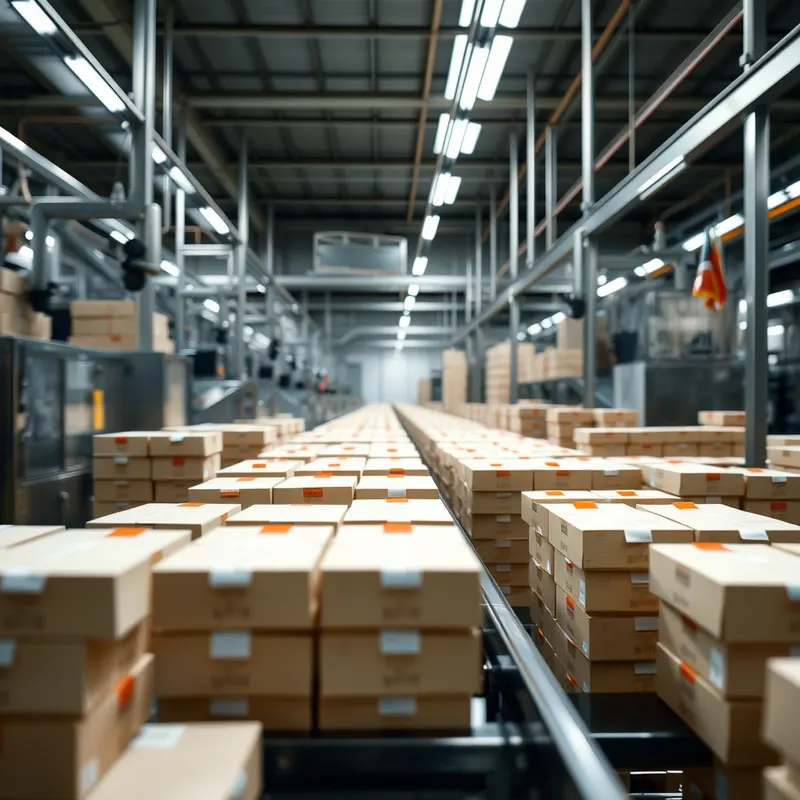
Buy Thai Products in Bulk: How to Source Directly from Verified Thai Suppliers
A practical guide to buying Thai products in bulk: which categories to source, how to find verified suppliers, write an RFQ, compare quotations and manage samples and shipping.
Instant Noodle Manufacturers in Thailand: What Separates an Export-Ready Factory From a Local Brand
Thailand's instant noodle shelves are crowded — tom yum, moo nam tok, pad kra pao, green curry flavors that travel well beyond Bangkok supermarkets. But a brand that sells well dom
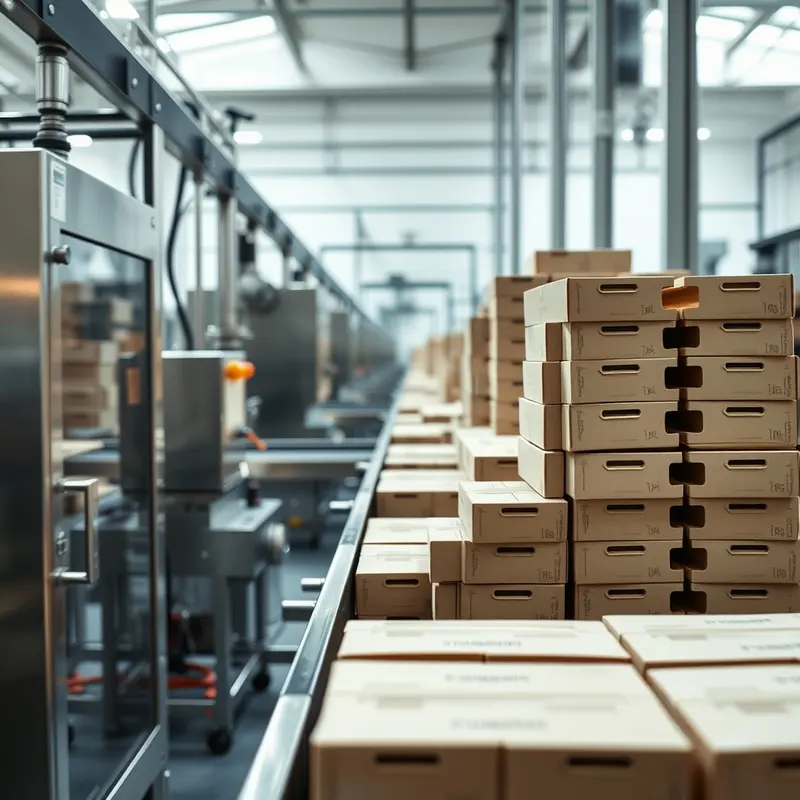
How to Write an RFQ to Thai Suppliers (A Practical Guide for Buyers)
If you're sourcing from Thailand, the quality of your RFQ often determines the quality of the quotes you get back. A vague message leads to vague replies — or no reply at all. A cl