
Buying guide
Which Thai Tea Manufacturers Can Actually Export? How Buyers Can Tell
Thai tea sells on colour, aroma and story, but the supplier behind it decides whether a shipment clears customs and sells through. Many companies listed as Thai tea manufacturers f
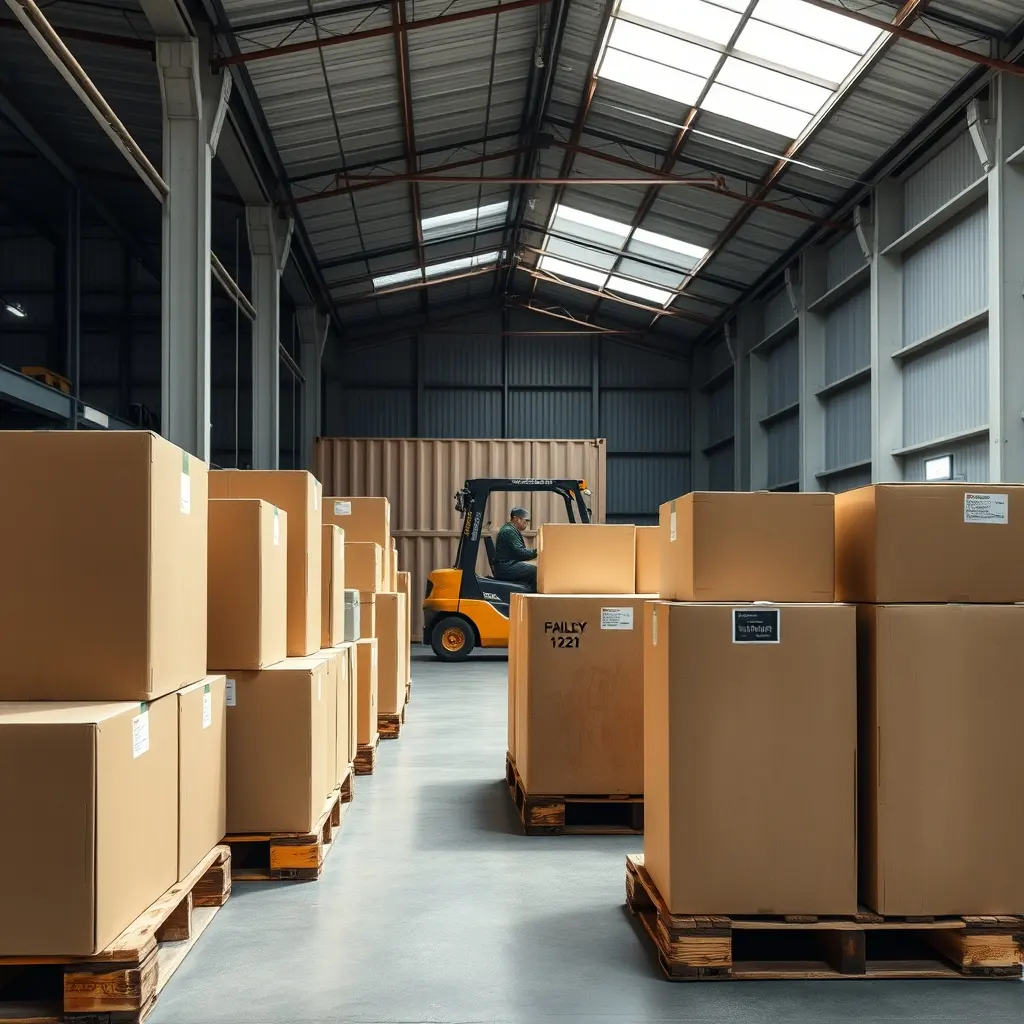
Thai tea sells on colour, aroma and story, but the supplier behind it decides whether a shipment clears customs and sells through. Many companies listed as Thai tea manufacturers for export are in fact packers or traders, and many genuine factories have never shipped to your market. This article shows how to tell the difference, what to ask before requesting samples, and how to compare offers without relying on promises.
Know which kind of Thai tea you are buying
Thai tea is not one product. Before contacting suppliers, define the category, because each one involves different manufacturers, ingredients and import checks.
- **Thai tea mix:** the blend used for the familiar orange milk tea, usually black tea with added flavouring and often colouring. Sold to cafes, bubble tea shops and retailers.
- **Thai green and oolong teas:** often associated with the northern highlands, sold as loose leaf or tea bags to specialty retailers.
- **Herbal infusions:** butterfly pea, lemongrass, pandan, roselle, ginger and similar plants, sometimes classed differently from tea in import rules.
- **Instant and ready-to-drink formats:** powders, 3-in-1 mixes, bottled or canned drinks, which involve dairy, sugar or other ingredients and more complex food rules.
The format affects who you should talk to. A grower-processor may sell excellent loose leaf but not have a powder line. A beverage factory may produce ready-to-drink tea but buy its leaves from others. Being precise saves time in every conversation.
It also shapes your target customer. Cafe buyers care about consistency of colour and taste from batch to batch. Retail buyers care about packaging, shelf life and label compliance. Write down your format, target customer and intended market before you start; it becomes the core of your RFQ later. If you are still exploring the wider category of **Thai coffee and tea**, compare a few formats side by side before committing to one.
Manufacturer, packer or trader: who is on the other side
Thai tea supply chains often involve several layers. None is wrong in itself, but you should know which one you are dealing with, because it affects control over quality, consistency and documentation.
- **Manufacturer or processor:** processes leaves or blends and packs the product in its own facility. Best control over recipe and batch consistency.
- **Packer:** buys finished tea or blend in bulk and repacks under its own or your brand. Can be flexible on packaging, but depends on its own suppliers for the product inside.
- **Trading or export company:** sources from several producers and handles export. Useful for mixed orders and paperwork, but may change sources between orders.
Questions that reveal the difference:
- Where is the product processed, and can you see the facility on a video call or visit?
- Who owns the recipe for the blend?
- Which documents are issued in the company's own name?
- If you reorder, will the product come from the same production site?
On a B2B marketplace, look for clearly stated supplier types and profiles that describe facilities, not just product photos. Shortlisting **verified Thai suppliers** helps, because verification checks business registration and identity. It lowers risk but does not replace your own due diligence on samples, documents and terms.
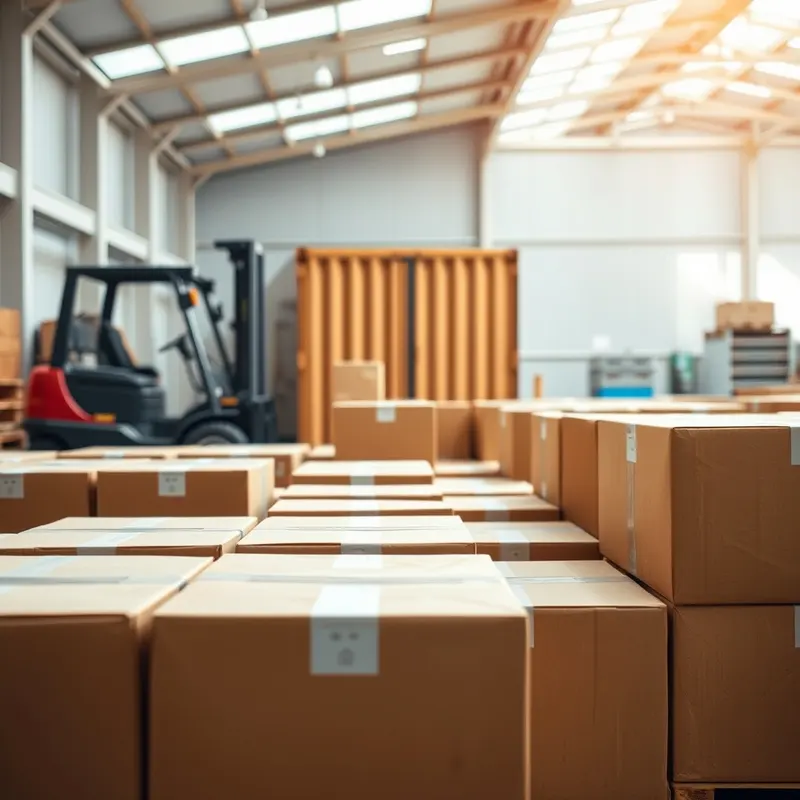
Signs a supplier is genuinely ready to export
Being able to make good tea and being ready to export it are different skills. A supplier that is new to exporting can still be a good partner, but you should know what support you will need to provide.
Indicators of export readiness:
- **Export experience:** ask which countries they have shipped to and whether they can share references or example documents with sensitive details removed.
- **Documentation:** ability to provide commercial invoices, packing lists, certificates of origin and product specifications, plus any health or analysis certificates your market may require.
- **Food safety systems:** relevant food safety certifications or documented practices. Ask for copies and check validity directly with the issuing body.
- **Shelf life data:** how shelf life was determined and under what storage conditions.
- **Packaging for transit:** moisture barrier packaging, sealing quality and carton strength, important for tea, which absorbs humidity and odours.
- **Labelling flexibility:** ability to produce labels in the required language and format for your market.
- **Communication:** a contact who replies clearly in a language you share and can answer technical questions or find someone who can.
A supplier who answers these questions openly is usually easier to work with than one who promises everything. Requirements for importing tea and herbal products differ widely, so confirm the rules for your country with your customs broker or the relevant food authority before ordering.
Ingredients, colouring and labels: check before the sample stage
With Thai tea mixes in particular, the ingredient list deserves attention early. Many blends include flavourings and colourings to create the signature look and aroma. Whether those additives are permitted, and how they must be labelled, depends on the destination country.
Ask each supplier for:
- A **full ingredient specification**, including the type of any colouring or flavouring used.
- Information on **allergens** and on whether the product is processed on lines shared with other ingredients, such as milk powder.
- Any **claims** they suggest for the product, such as natural or no added sugar, and how those are supported.
- **Nutrition and label information** they can provide for your market's format.
Share the specification with your customs broker or a food compliance consultant in your market before ordering samples in quantity. If an additive is restricted where you sell, the supplier may be able to offer an alternative formulation, sometimes with a slightly different colour or taste, which is better discovered before you build a brand around it.
For herbal infusions, check whether each plant ingredient is treated as a food, a herbal product or something else in your market. Classification affects documentation and, in some places, whether import is allowed at all. Treat these as questions for local authorities rather than assumptions based on what is sold elsewhere.

Writing an RFQ that gets comparable answers
A vague request produces quotes that cannot be compared. A clear **RFQ** helps suppliers understand your needs and helps you judge their replies side by side.
Include in your request:
- **Product and format:** for example, Thai tea mix powder, loose leaf, tea bags or ready-to-drink.
- **Specification:** taste profile, colour, ingredients you want or want to avoid, and any reference product you can describe.
- **Packaging:** bulk bags for cafes, retail packs, sizes, branding requirements.
- **Target market:** country and channel, so the supplier can flag labelling or ingredient issues.
- **Estimated volumes:** a realistic first order and expected repeat volumes. Suppliers will tell you what quantities they can work with; pricing usually depends on product and quantity.
- **Documents required:** the list your customs broker has given you.
- **Incoterm and destination:** for example, FOB Bangkok or CIF to your port.
When you **request a quote**, also ask for samples from the same production line that would make your order, with batch information. Taste and brew samples consistently, using the same water, temperature and steeping time, and keep notes.
Compare quotes on more than price: what is included, how documentation is handled, packaging quality, communication and the supplier's openness about where and how the product is made.
Branded resale, private label or a custom blend
Once you know the category and the suppliers, decide how you want to sell. Each route suits a different kind of business.
**Branded resale:** importing established Thai tea brands and selling them as they are. Simpler to start, with no product development, but you compete with other resellers of the same products. Distributors such as ThaiNex are one option for sourcing branded Thai products alongside others.
**Private label:** a supplier packs an existing recipe under your brand. Faster than developing a new blend and gives you your own identity, but the recipe may not be exclusive, so clarify this in writing.
**Custom blend or OEM:** working with **OEM/ODM factories** to develop a recipe for your brand. Offers the most differentiation and control, but involves development rounds, sample approvals and more paperwork. Ask who owns the recipe and what happens to it if you change supplier.
Whichever route you choose, build in checks: approve a reference sample, keep retained samples from each batch, and agree how changes to ingredients or sources will be communicated.
THAIMOST lets buyers browse verified Thai tea and beverage suppliers, send RFQs and compare replies in one place. Payment and contracts stay directly between buyer and supplier, so treat every quote as a starting point for your own verification rather than a final answer.
Need expert support?
Leave your details and our team will get back to you.
FAQ
Frequently asked questions
Do Thai tea mixes contain artificial colouring?
Many traditional Thai tea mixes include added colouring to achieve the familiar orange colour, while some suppliers offer blends without it. Ask for the full ingredient specification and confirm with your customs broker or food authority whether each additive is permitted and how it must be labelled in your market.
Can I visit a Thai tea factory before ordering?
Many manufacturers welcome visits from serious buyers, especially before larger or recurring orders. If travel is not practical, a live video walkthrough of the facility and packing area is a useful first step, and some buyers use third-party inspection services for an independent assessment.
What documents do I need to import Thai tea?
It depends on your country, the product format and its classification. Common documents include a commercial invoice, packing list and certificate of origin, and some markets require additional health or analysis certificates. Confirm the exact list with your customs broker before placing an order.
How do I keep the taste consistent between orders?
Approve a reference sample, keep retained samples from each batch and agree in writing that recipe or source changes must be notified to you in advance. Brew each new batch alongside the reference using the same method, and record results so differences are easy to spot and discuss.
Prepared by the Thaimost team for informational purposes. Some links may lead to referred partners.
Articles
Related articles
Instant Noodle Manufacturers in Thailand: What Separates an Export-Ready Factory From a Local Brand
Thailand's instant noodle shelves are crowded — tom yum, moo nam tok, pad kra pao, green curry flavors that travel well beyond Bangkok supermarkets. But a brand that sells well dom

Thai Manufacturers Accepting Small Orders: How to Find Them
Looking for Thai manufacturers accepting small orders is one of the most common questions new buyers ask, and the way it is usually
Thai Organic Products Suppliers: A Buyer's Guide to Sourcing Safely from Thailand
Thailand has built a strong reputation for organic and natural products — from herbal wellness items to organic rice, snacks, and cosmetics made with local botanicals. For internat

Buy Thai Products in Bulk: How to Source Directly from Verified Thai Suppliers
A practical guide to buying Thai products in bulk: which categories to source, how to find verified suppliers, write an RFQ, compare quotations and manage samples and shipping.

Thai Pet Food Manufacturers: A Buyer's Guide to Sourcing with Confidence
Thailand has quietly become one of the world's more capable pet food production hubs, with factories supplying wet food, dry kibble, treats, and functional formulas to brands acros
Why Most Buyers Get Burned Sourcing Ceramics From Thailand — and How to Avoid It
Ceramics look straightforward until you're mid-negotiation with a Thai supplier and realize you can't tell whether you're talking to the kiln owner or a reseller with a sample cata