
Guide
Thailand Trade Fairs for Importers: How to Prepare and Make the Most of Them
Thai trade fairs offer importers a rare chance to meet multiple manufacturers face-to-face in one trip. However, without proper preparation, you risk coming away empty-handed. Lear
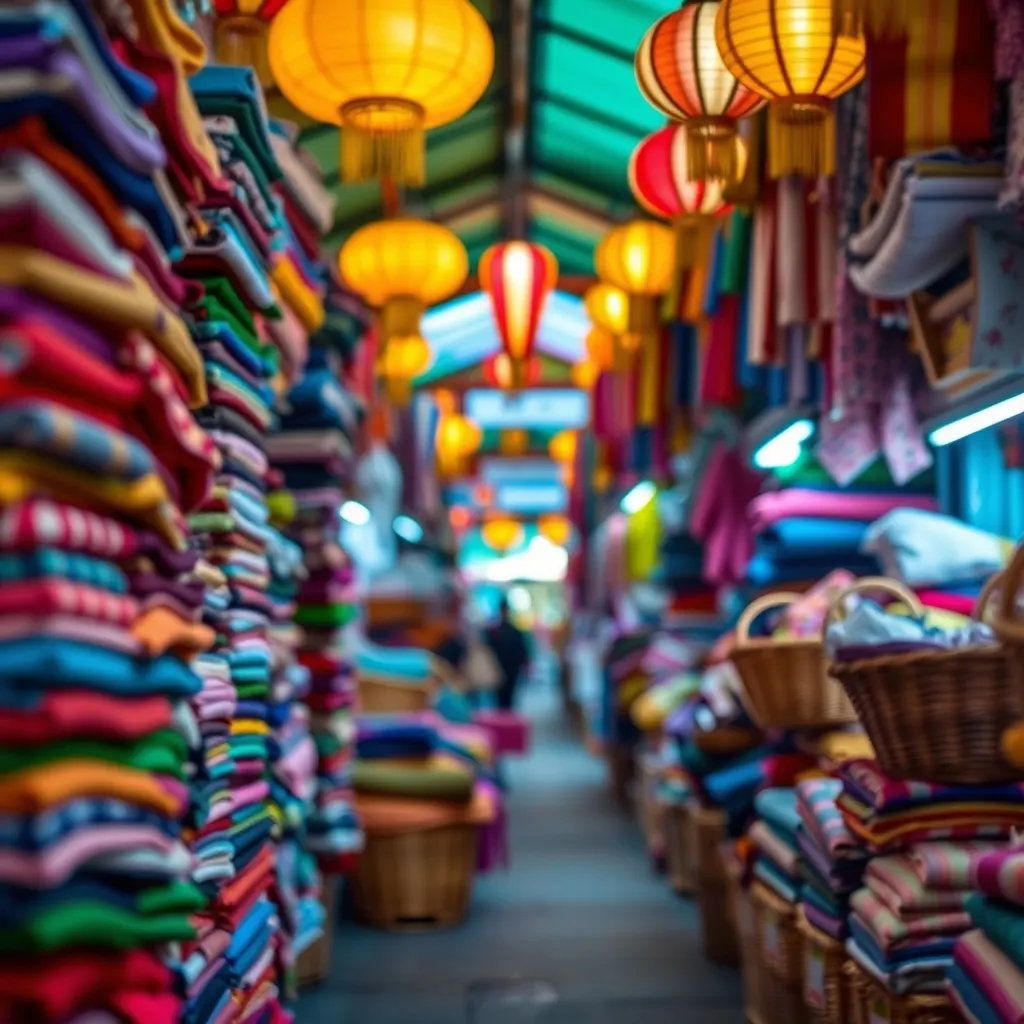
For many businesses, Thai trade fairs for importers are a rare opportunity to meet numerous manufacturers in person during a single trip. Yet arriving unprepared often means leaving empty-handed. This guide walks you through how to prepare beforehand, make the most of your time at the fair, and follow up afterward to turn those meetings into real orders.
What trade fairs offer importers and when they're worth attending
Trade fairs are venues where manufacturers, brands, exporters, and traders showcase products simultaneously, typically organized by industry—food and beverages, cosmetics, gifts, household goods, or packaging. For importers, the biggest advantage is that you can see and touch products firsthand, speak directly with decision-makers, and compare multiple Thai suppliers in just a few days instead of weeks of back-and-forth messaging. You also get a sense of how your potential partners work, something online profiles rarely convey.
However, trade fairs aren't always the best choice. Travel, accommodation, and time are significant costs, so attending only makes sense if you already have a fairly clear product direction, an existing sales channel or pipeline, and the ability to make decisions—or at least start the process—after the trip. If you're still exploring, consider doing online research first, then choosing the fair that best matches your industry.
Event schedules, locations, and terms change annually, so always verify the latest information from the organizing body and trade promotion agencies before booking travel, purchasing tickets, or registering.
Pre-fair preparation: goals, supplier lists, and research
Success at a trade fair is largely determined before you board the plane. Start by setting specific goals: what product categories are you sourcing from Thai manufacturers, what market segment, which sales channel, and what volume do you expect? Build a priority list of booths you want to visit, questions you need to ask, and information you need to collect.
Before the trip, research the list of exhibitors if available, then learn about each company: are they a factory, brand, distributor, or trading company? What are their main products, and which export markets have they already served? Begin verifying Thai suppliers at this stage by checking whether company information, websites, and contact channels are consistent. If possible, pre-schedule meetings with key partners rather than hoping for random encounters.
Prepare the administrative side: business cards, a brief company introduction and market overview, a standardized note-taking form for all booths, and contact methods while you're abroad. Have an interpreter or at least English-language materials ready. These small details help you appear professional and maintain discipline through busy days.
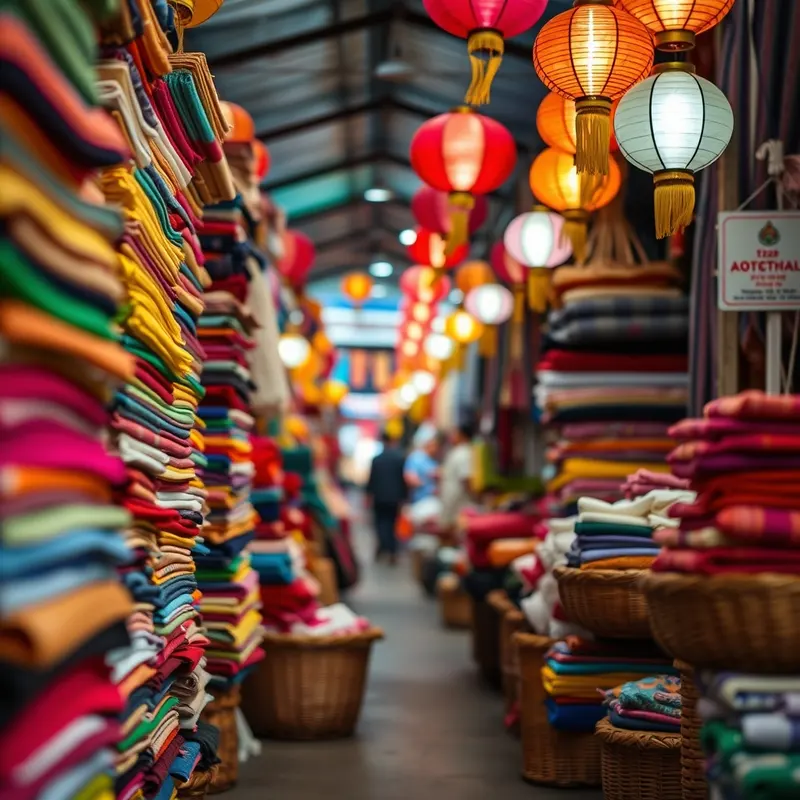
At the fair: what to ask, what to record, and how to evaluate
Your time at the fair is limited, so use a consistent set of questions for every booth to make comparisons easier later. First, clarify the business type: do they manufacture themselves or source from others? Next, ask about their current product lines, ability to do private labeling or contract manufacturing, which markets they've already exported to, and how they work with new importers. Don't hesitate to ask about certifications, but remember that certifications should be verified per product—don't assume all items carry the same documentation.
Several things you should do on the spot: - Photograph products, packaging, and booth information displays with notes - Collect catalogs and business cards, jotting observations directly on the cards - If needed, ask about samples and sample terms - Assess their working style: do they answer clearly and offer explanations? - Avoid rushing into agreements; wait until you've compared all options
Spend a few minutes each evening consolidating your notes and giving preliminary scores to each Thai manufacturers contact based on your criteria. When caught up in the fair's energy, it's easy to decide emotionally, so a scoring system helps you stay calm, factual, and fair in your assessment.
After the fair: sending RFQs, comparing quotes, and tracking suppliers
The real value of a trade fair only emerges through follow-up. Within a few days of returning, contact your selected suppliers, remind them of what you discussed, and request a quote. A good RFQ should clearly state the product name and specifications, packaging, estimated quantities, delivery point, desired commercial terms, preferred payment method, and sample requirements. Send the same RFQ to multiple verified suppliers for fair comparison.
When you receive responses, don't just look at the unit price. Check the quote validity period, commercial terms, any exclusions, and sample policies. Then calculate your landed cost including shipping, insurance, tariffs, and customs fees. Price, order quantities, and delivery times vary by product and are confirmed in the quotation. Import regulations change by product category and over time, so check with relevant authorities and customs brokers in your country.
Keep all communications in writing. If a supplier responds slowly or unclearly from the quotation stage onward, that's a signal worth considering. Start with trial orders and samples first, then scale up as you understand how your partner operates.

When you can't attend: combining trade fairs with online sourcing
Not every importer can travel to Bangkok for a trade fair. The good news is you don't have to wait. Many buyers use B2B platforms to survey the market, build a shortlist, then decide whether to visit—or to maintain relationships with suppliers they've already met at fairs. This hybrid approach saves costs and increases efficiency per trip.
For example, THAIMOST is a B2B platform connecting verified Thai suppliers—manufacturers, exporters, brand owners, and OEM/ODM factories—with international buyers. You can browse suppliers by industry, request a quote freely, and compare responses from home. Keep in mind that supplier verification helps reduce risk but isn't a guarantee, so you still need to do your own due diligence, confirm samples, and review terms before ordering. Payment arrangements at this stage are negotiated directly between you and your supplier.
Finally, view a trade fair as part of a long-term Thai sourcing strategy, not a one-time bet. Combining online research, in-person meetings, trial orders, and regular follow-up will help you build a resilient and flexible network of Thai products wholesale partners.
Need expert support?
Leave your details and our team will get back to you.
FAQ
Frequently asked questions
Should new importers attend Thai trade fairs right away?
Only attend when you've already defined your product direction, sales channel, and ability to make decisions or start the process afterward. If you're still researching, do online due diligence first to create a shortlist, then choose the fair that matches your industry. Always verify the schedule and attendance requirements on official channels.
What should I prepare before going to a trade fair?
Set clear goals around product categories and sales channels, create a list of priority booths, research each company beforehand, pre-schedule meetings with key contacts, and prepare business cards, a company introduction, a standardized note-taking form, and English materials. A consistent set of questions for all booths will help you compare easily later.
How do I compare suppliers after the fair?
Send the same request a quote to multiple verified suppliers, then compare commercial terms, quote validity, packaging details, sample policies, and total landed cost—not just unit price. Document all communications in writing, start with trial orders and samples, and conduct your own evaluation rather than relying solely on fair impressions.
Prepared by the Thaimost team for informational purposes. Some links may lead to referred partners.
Articles
Related articles

Cách gửi yêu cầu báo giá cho nhà máy Thái Lan: mẫu RFQ chuẩn
Gửi yêu cầu báo giá cho nhà máy khác hẳn gửi cho công ty thương mại. Nhà máy không bán hàng có sẵn, họ bán năng lực sản xuất.
Tìm nhà máy Thái Lan: phân biệt nhà máy thật và công ty thương mại
Khi tìm nhà máy Thái Lan, phần lớn thời gian của người mua bị tiêu vào việc nói chuyện với bên không sản xuất. Vấn đề không phải họ gian, mà là người mua không hỏi đúng câu để biết mình đang nói với ai.

Nhà cung cấp hàng Thái: Cẩm nang tìm nguồn hàng Thái Lan giá sỉ uy tín
Nhiều người mua sỉ và nhà nhập khẩu tại Việt Nam vẫn loay hoay khi tìm nhà cung cấp hàng Thái: hỏi qua trung gian thì giá đội lên nhiều lớp, tự liên hệ trực tiếp thì khó xác minh a

Nhập trái cây sấy Thái Lan giá sỉ: hướng dẫn cho người mua sỉ
Xoài sấy dẻo, mít sấy giòn, sầu riêng sấy: cách chọn dòng sản phẩm, thẩm định nhà cung cấp Thái, yêu cầu báo giá, thủ tục nhập về Việt Nam và tránh lỗi ở đơn hàng đầu.
Sản phẩm Thái bán chạy: 6 nhóm hàng người mua sỉ nên xem trước
Sản phẩm Thái bán chạy không phải danh sách cố định. Bài này nêu 5 nhóm hàng người mua sỉ hay bắt đầu, điểm cần kiểm tra ở mỗi nhóm và cách thẩm định trước khi nhập.

Nhập bao bì từ Thái Lan: quy trình 6 bước cho người mua sỉ
Nhập bao bì từ Thái Lan là lựa chọn được nhiều doanh nghiệp thực phẩm, mỹ phẩm và hàng tiêu dùng Việt Nam cân nhắc nhờ khoảng cách gần và ngành bao bì phục vụ xuất khẩu đã phát tri