
Guide
How to Find Suppliers in Thailand: 6 Steps for Indian Buyers
Discover how to find verified Thai suppliers for your import business. Learn 6 practical steps to source food, cosmetics, herbal products, and packaging from Thailand with confiden

How to find suppliers in Thailand is a question that comes up frequently among Indian importers, wholesalers, and online sellers. Thailand is a strong exporter of food products, cosmetics, herbal products, and packaging materials, but reaching the right supplier and building trust is not always straightforward. In this guide, we'll walk you through the sourcing process from search to first order in practical steps, so you can source with confidence.
Step 1: Clarify Your Requirements in Writing
Before you start searching for suppliers, the most important task is to put your needs down on paper. Many buyers jump straight into searching and then get lost among dozens of options. A clear sourcing brief saves you time and helps the supplier provide you with an accurate quotation.
Include these points in your brief:
- **Product Description**: Category, size, type of packaging, branded or private label;
- **Estimated Quantity**: First order volume and potential future demand;
- **Quality and Certification**: What documents or standards your market will require;
- **Delivery Terms**: Whether you want to buy on FOB, CIF, or another Incoterm;
- **Budget Range**: Target cost, so you don't waste time on unrealistic options.
When importing for India, also check what local regulations apply to your product category, such as registration and labeling requirements for food or cosmetic products. These rules change frequently, so confirm with your customs broker.
Step 2: Main Channels to Find Suppliers
There are several ways to reach Thai suppliers, and each channel has its own advantages and limitations:
- **Online B2B Marketplaces**: View multiple supplier profiles, products, and certifications in one place. Platforms like THAIMOST connect Thai manufacturers and exporters with international buyers and display verification badges for verified suppliers.
- **Trade Fairs and Exhibitions**: Food, beauty, and packaging expos held in Bangkok offer good opportunities to meet suppliers face-to-face, though travel time and costs are involved.
- **Government Trade Promotion Agencies**: Thailand's export promotion agencies and Thai trade offices in India maintain exporter directories and run business matching programs.
- **Sourcing Agents**: Local agents can assist with search, negotiation, and inspection, but understand their fees and transparency beforehand.
- **Referrals**: Recommendations from other importers in your industry are often valuable.
It's better to use multiple channels combined and evaluate all options found against the same criteria.

Step 3: Identify the Type of Supplier
Not all Thai suppliers are the same, and it's crucial to understand who you're dealing with. Common types include: **Manufacturers**, **OEM/ODM factories**, **Brand Owners**, **Distributors**, **Trading Companies**, and **Export Companies**.
Each type has its own advantages. Buying directly from a Thai manufacturer can give you better control over customization and costs, but may require larger quantities and technical discussions. A distributor or trading company can handle mixed orders from multiple brands, which is more convenient for smaller buyers.
The problem arises when a trading company presents itself as a factory. To verify, ask:
- Is the company's registration document showing production activity?
- Can they provide a factory address and show you a video tour of the production line?
- Is the manufacturer's name on the product the same as theirs?
On platforms where the supplier type is clearly listed, this confusion is reduced.
Step 4: Verification and Due Diligence
Working with verified Thai suppliers reduces risk, but verification is never a guarantee. Every buyer should conduct their own due diligence.
A simple due diligence checklist:
- **Company Registration**: Company registration with Thailand's Department of Commerce and registered address;
- **Certifications**: Certificates such as GMP, HACCP, ISO, or Halal depending on product category, and their validity;
- **Export Experience**: Have they exported to international markets before, and what documents can they prepare;
- **Communication Quality**: Do they provide clear, written, and timely responses;
- **References**: Can they provide references from existing customers.
Badges on platforms, such as Verified Supplier or Factory Audited, help with initial screening. However, sample inspection, written contracts, and secure payment terms are your final protection.

Step 5: Send RFQ and Compare Quotations
When you have 3 to 5 potential suppliers, send them a uniform RFQ (Request for Quotation). Sending the same RFQ allows you to compare quotations fairly.
A good RFQ should include: product specifications, estimated quantity, packaging, target Incoterm, destination port, and required documents. When requesting quotations, also ask what is and isn't included in the price.
When comparing quotations, don't focus on price alone. Create a comparison table with these columns:
- Unit price and Incoterm;
- Minimum order quantity stated by the supplier;
- Estimated production and delivery time as stated in the quotation;
- Payment terms;
- Available certifications and documents;
- Sample policy.
The cheapest quotation is not always the best. If a quotation hides costs for documents or packaging, the total cost could be higher later.
Step 6: Samples, First Order, and Common Mistakes
After selecting a quotation, always request samples and test them against your market requirements. For food products, check taste, shelf life, and packaging durability; for cosmetics, examine texture, fragrance, and label information. Keep the approved sample as a "golden sample" so you can compare it with large production batches.
Keep your first order small and controlled. Before committing to Thai products wholesale, see how the product performs in your market.
Common mistakes made by Indian buyers:
- Conducting discussions only via chat without creating a written contract;
- Making full payment upfront without any staged conditions;
- Checking India's import regulations and labeling requirements only after placing the order;
- Not arranging inspection before shipment.
A little extra caution at the start takes time, but in the long run it helps you build reliable supplier relationships.
Need expert support?
Leave your details and our team will get back to you.
FAQ
Frequently asked questions
Do Thai manufacturers work with small buyers?
Many Thai suppliers do work with small buyers, especially distributors and trading companies that handle mixed orders. Minimum order quantities depend on the product and supplier, so write your quantity clearly in the RFQ and confirm it in the quotation.
Does supplier verification mean complete guarantee?
No. Verification shows that the company's identity and some documents have been checked, which reduces risk. However, sample inspection, written contracts, and secure payment terms remain your responsibility and should never be skipped.
Are special documents required for importing into India?
Different registration, licensing, and labeling rules may apply depending on the product category. These regulations change over time, so this information is for reference only; confirm with your customs broker before placing an order.
What should I do after sending an RFQ?
Keep all quotations in a comparison table, ask for written clarification on unclear points, and request samples from 2–3 of the most suitable suppliers. Make your final decision based on sample quality and negotiation experience.
Prepared by the Thaimost team for informational purposes. Some links may lead to referred partners.
Articles
Related articles

थाईलैंड से थोक आयात: भारतीय खरीदारों के लिए पूरी गाइड
थाईलैंड से थोक आयात करना भारतीय इम्पोर्टर, डिस्ट्रीब्यूटर और ऑनलाइन सेलर के लिए एक व्यावहारिक रास्ता है, बशर्ते शुरुआत सही सवालों से हो।

थाईलैंड सप्लायर कैसे खोजें: भारतीय आयातकों के लिए पूरी गाइड
थाईलैंड से थोक में सामान मंगाना चाहते हैं, लेकिन सही थाई सप्लायर तक कैसे पहुँचें — यह सवाल ज़्यादातर नए आयातकों को उलझाए रखता है। खाद्य पदार्थ, कॉस्मेटिक्स, हर्बल वेलनेस प्रोडक्ट्स

थाईलैंड से हर्बल उत्पाद आयात कैसे करें: पहले ऑर्डर से पहले क्या जाँचें
थाईलैंड से हर्बल उत्पाद आयात कैसे करें, यह सवाल ज़्यादातर खरीदार तब पूछते हैं जब उन्हें कोई अच्छा उत्पाद मिल चुका होता है, लेकिन यह साफ़ नहीं होता कि वह उनके देश में किस श्रेणी में

थाई निर्माता सूची: भारतीय खरीदारों के लिए उपयोग और जाँच गाइड
थाई निर्माता सूची मिलना आसान है, लेकिन असली चुनौती यह तय करना है कि सूची में कौन-सा नाम आपके उत्पाद और बाज़ार के लिए सही है। कई खरीदार नामों की लंबी सूची जमा कर लेते हैं, पर तुलना
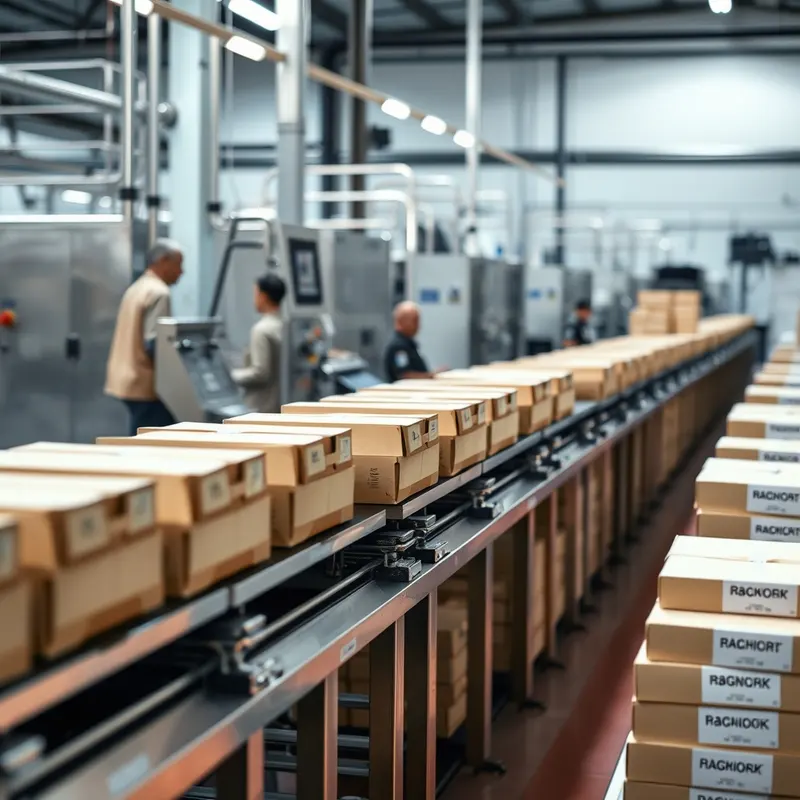
How to Verify a Thai Factory Before Ordering: A Practical Buyer's Checklist
Sourcing from Thailand usually starts well: a promising catalogue, a friendly sales contact, a price that fits your margin. The harder part comes next — confirming that the company
Thai Herbal Extract Suppliers: How Buyers Find and Verify Them
Thai herbal extract suppliers range from extraction plants to traders and OEM factories. Here is how to tell them apart, what to ask for, and how to verify before you buy.