
Guide
How to Find Thai Suppliers: A 6-Step Practical Guide for International Buyers
Discover how to find Thai suppliers systematically. Learn the 6-step process—from clarifying your needs and selecting channels to verifying suppliers, sending RFQs, and managing sa

Finding Thai suppliers is one of the first challenges importers, wholesalers, and cross-border sellers face when expanding their Southeast Asian sourcing. This guide walks you through a practical, step-by-step process—from clarifying your requirements and selecting the right channels, through supplier verification, sending RFQs, to handling samples and logistics. By following this approach, you'll be better equipped to place your first order with confidence.
Step 1: Clarify What You Want to Buy and Which Type of Thai Supplier to Contact
Many first-time buyers immediately ask suppliers about availability without clarifying their own needs, only to receive a barrage of irrelevant replies. A more effective approach is to define your requirements clearly before deciding which type of supplier to approach. Key areas to clarify include: product categories and exact specifications, target markets for resale, whether you're selling your own brand or reselling established brands, planned purchasing frequency, and basic packaging and labeling requirements. The more specific your needs, the more efficiently you can filter options later.
At the same time, understand the different types of Thai suppliers available. Thai manufacturers are true production facilities, suited for buyers needing stable supply relationships or custom products. OEM/ODM factories can produce according to your formulas, specifications, or branding requirements. Brand owners have their own product lines and typically sell directly. Distributors and trading companies consolidate multiple sources, making them ideal if you want to buy multiple product categories in a single order. Export companies primarily handle export procedures and logistics. None of these categories is inherently better or worse—the key is matching them to your needs.
One important point: trading companies should not be presented as manufacturers, and it's perfectly normal business etiquette to directly ask about a supplier's identity and business scope during your inquiry. By aligning supplier type, product category, and your order volume, you can more accurately determine whom to contact and ask more targeted questions from the start, saving yourself considerable time.
Step 2: Explore Common Sourcing Channels and Compare Their Strengths
There are several channels for finding Thai product sources, each with its own use cases. The first is offline trade shows, where you can see samples directly and communicate face-to-face, though this requires travel time and budget, and you can only meet a limited number of suppliers each time. The second is industry associations and chambers of commerce referrals, which offer relatively reliable information but limited coverage. The third is introductions from acquaintances or peer recommendations, which keep communication costs low but limit your options to others' networks. The fourth is online B2B platforms, where you can browse numerous verified suppliers in a short timeframe, filter by industry and certifications, and compare capabilities.
For buyers wanting to systematically explore Thailand's wholesale product market, online platforms are a practical starting point. THAIMOST, for example, is a B2B platform connecting Thai manufacturers, exporters, brand owners, and OEM/ODM factories with international buyers. On such platforms, you can browse verified Thai suppliers by industry, send RFQs directly, request samples, and compare responses from different suppliers. It's important to note that platform verification is one layer of risk reduction but not a guarantee of any kind—you still need to conduct your own due diligence, verify samples, and confirm contract terms.
Regardless of which channel you use, we recommend contacting multiple suppliers for comparison rather than relying on a single source. Organize information from all channels into one spreadsheet, including company type, main product categories, communication responsiveness, and sample policies. This will make your later decision-making much clearer and give you solid ground for negotiations.

Step 3: How to Verify Whether a Thai Supplier Is Reliable
Verifying a supplier isn't about distrust—it's standard business procedure. Start by checking basic company information: registered name, address, contact person, and business scope. Confirm that the website, email, and phone number align with each other. Second, determine whether they actually produce goods themselves. If someone claims to be a Thai manufacturer, ask for a production process overview, workshop photos, or a video tour. If necessary, arrange a video call or site visit. Third, ask about current certifications and compliance; verify that certifications apply specifically to the products in question—don't assume all their products carry the same documentation.
Here are specific items worth checking: - Company name and registration information are consistent across all communications - Communication is professional and responses are clear and specific - They're willing to provide samples and explain sample terms - Their quotation clearly states terms, validity period, and payment methods - They can provide customer feedback or verifiable cooperation details
Be wary of exaggerated promises, such as absolute quality guarantees or unreasonably low prices. For larger orders, consider using a third-party inspection agency for spot-checking, or arrange staged payments. To emphasize: any platform badge or verification is merely a reference point. The final responsibility for due diligence rests with you as the buyer. Spending a bit more time on verification often prevents far bigger problems down the line and helps you build a stronger foundation for long-term partnerships.
Step 4: Write a Clear RFQ to Make Price Comparison Easier
An RFQ (Request for Quote) is one of the most important communication documents between you and a supplier. A well-written RFQ ensures suppliers can respond quickly and accurately, and makes it easier for you to compare quotes. Your RFQ should include: product name and specifications, packaging method and quantity per package, estimated purchase volume range, destination port or delivery location, your preferred trade terms, payment method preferences, and whether you need samples. For OEM or custom products, also specify branding requirements, label language, and packaging design needs.
In practice, we recommend sending the same RFQ to several qualified verified suppliers so that the quotes you receive are based on identical conditions, making comparison fairer. When reviewing responses, check whether the quote clearly states validity period, packaging, trade terms, sample policy, and which costs are excluded. Don't focus only on unit price—calculate total cost, including freight, insurance, tariffs, and clearance fees.
Regarding price and minimum order quantities, these typically depend on the specific product and purchase volume and are confirmed when you receive quotes. So be honest about your expected quantities in your RFQ to help the supplier provide a more realistic proposal. On platforms like THAIMOST, you can send RFQs to verified suppliers for free and compare their responses, but the decision to work together and on what terms remains yours to make. Keep all communication records complete—they're crucial for confirming terms later.
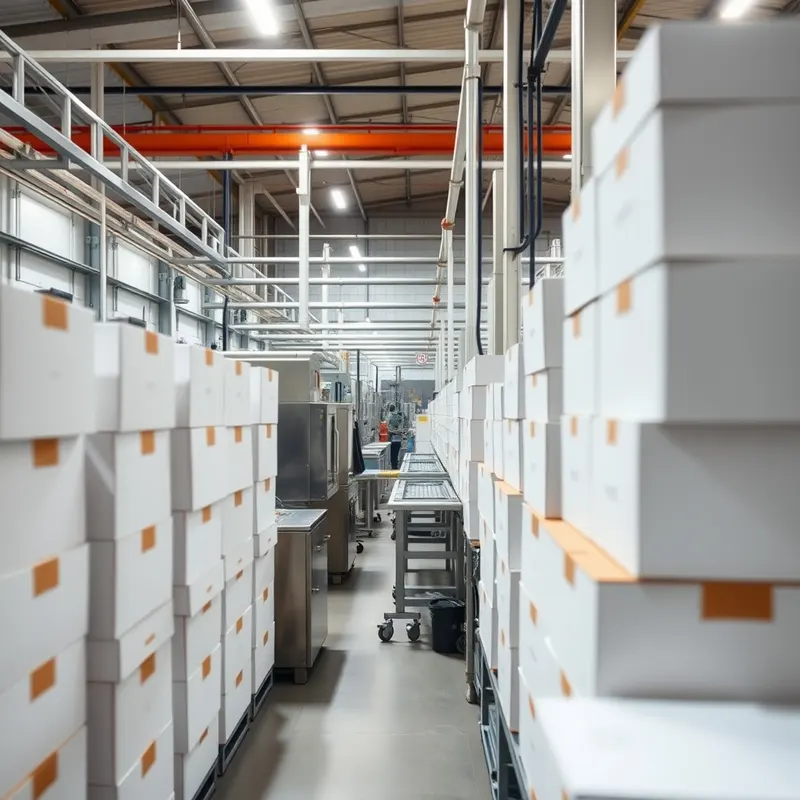
Step 5: Samples, Payment, and Logistics—Don't Cut Corners at the Final Stage
Once you've identified your preferred supplier, the next step is usually to request samples. Samples serve to verify product quality, packaging, labeling, and consistency with the description—they're not just a formality. When samples arrive, check them against each specification in your RFQ and document your findings with photos and test results. If samples differ from expectations, give the supplier immediate feedback and confirm how adjustments will be made.
Clarify payment methods before placing an order and put them in writing. A common approach is staged payments, with specific percentages and timing negotiated based on order size and the level of trust between parties. You might also consider using secure payment channels. For logistics, confirm the trade terms and which party is responsible for each step: who arranges transport, who buys insurance, who handles export and import clearance. Delivery timelines and conditions are confirmed in the quote and vary by product and destination, so plan for buffer time.
Regarding import regulations, different countries have different requirements for food, cosmetics, supplements, and other categories, and these change over time. This guide is for general reference only. For specific requirements, contact your destination country's customs authority, regulatory agencies, or a clearance broker. Providing your product list to a clearance broker in advance will tell you which items need extra documentation or labeling.
Finally, we recommend starting with a small trial order and gradually increasing product variety and volume as the process runs smoothly. Finding Thai suppliers is a continuous optimization process—patience in building experience typically pays more dividends than chasing the lowest price in a single transaction.
Need expert support?
Leave your details and our team will get back to you.
FAQ
Frequently asked questions
For my first purchase of Thai products, should I contact manufacturers or trading companies?
It depends on your needs. If you need custom products or stable, long-term production partnerships, Thai manufacturers or OEM/ODM factories are more suitable. If you want to buy multiple product categories in one order with flexible quantities, distributors or trading companies may be more convenient. Regardless of which you choose, confirm the other party's identity and business scope during discussions, and verify the information yourself. Asking for supplier verification is a legitimate part of due diligence.
Are verified suppliers on online platforms automatically reliable?
Verification can reduce risk, but it's not a guarantee. Platform badges are just one reference point—you still need to verify company information yourself, request and inspect samples, and confirm contract and payment terms. For larger orders, consider arranging a video visit or using a third-party inspection service, and structure payments in stages to manage risk. Remember: the final responsibility for verifying any supplier lies with you as the buyer.
What should I include when I request a quote?
At minimum: product name and specifications, packaging method and container size, estimated purchase volume range, destination, preferred trade terms and payment methods, and whether you need samples. For custom products, also include branding requirements, label language, and packaging specifications. The clearer your information, the more accurate the supplier's quote will be, and the easier it is for you to compare different options.
Prepared by the Thaimost team for informational purposes. Some links may lead to referred partners.
Articles
Related articles

泰国工厂名录怎么用:采购方筛选与核实工厂的实用指南
一份泰国工厂名录能帮你快速找到候选名单,却不能替你判断哪家工厂真正合适。许多采购人员花时间收集了大量联系方式,最后仍不清楚谁是真正的生产方。本文讲解名录有哪些类型、如何筛选和核实,以及如何把名单转化为有效询价,帮助新加坡及海外买家更有把握地对接泰国工厂。

泰国工厂采购指南:从筛选、验厂到首单的六个关键步骤
很多采购方找到报价之后才发现,真正的难点在于判断对方是不是合适的工厂。这份泰国工厂采购指南从采购规格、筛选方式、验厂、询价比较、样品确认到首单管理,逐步梳理你需要做的决定和需要核实的内容,帮助新加坡及海外买家少走弯路,并在下单前把风险控制在自己看得见的范围内。

泰国出口商怎么联系?从找到渠道到第一封询价邮件的实用指南
很多采购方都问过同一个问题:泰国出口商怎么联系,才能真正得到回复?找到联系方式并不难,难的是让对方认真对待你的询价。本文从联系渠道、第一封邮件、语言与沟通习惯、核实与跟进四个方面,帮助你更高效地与泰国出口商建立联系。
Đặt hàng sỉ Thái Lan: quy trình gửi RFQ, so sánh báo giá và chốt đơn với nhà cung cấp đã xác minh
Hướng dẫn đặt hàng sỉ Thái Lan trực tiếp từ nhà máy và nhà xuất khẩu đã xác minh: chuẩn bị RFQ, đọc hồ sơ nhà cung cấp, so sánh báo giá, mẫu và điều khoản.

Nhập snack Thái Lan giá sỉ: 5 điểm dễ lệch khi so báo giá
Khi nhập snack Thái Lan giá sỉ, người mua thường nhận về vài bảng báo giá chênh nhau khá xa và chọn ngay mức thấp nhất. Phần lớn chênh lệch đó không đến từ việc ai bán rẻ hơn, mà t

Lừa đảo nhà cung cấp Thái Lan: dấu hiệu nào cần kiểm tra ngay?
Phần lớn vụ mất tiền khi nhập hàng Thái không đến từ kỹ thuật tinh vi, mà từ việc bỏ qua vài bước kiểm tra cơ bản. Đây là các dấu hiệu nên dừng lại và xác minh.