
Guide
Sea Freight or Air Freight from Thailand? How Buyers Should Actually Decide
Every buyer sourcing from Thailand eventually hits the same question: ship by sea or fly it in by air? The answer isn't about which mode is "better" — it's about matching the shipp
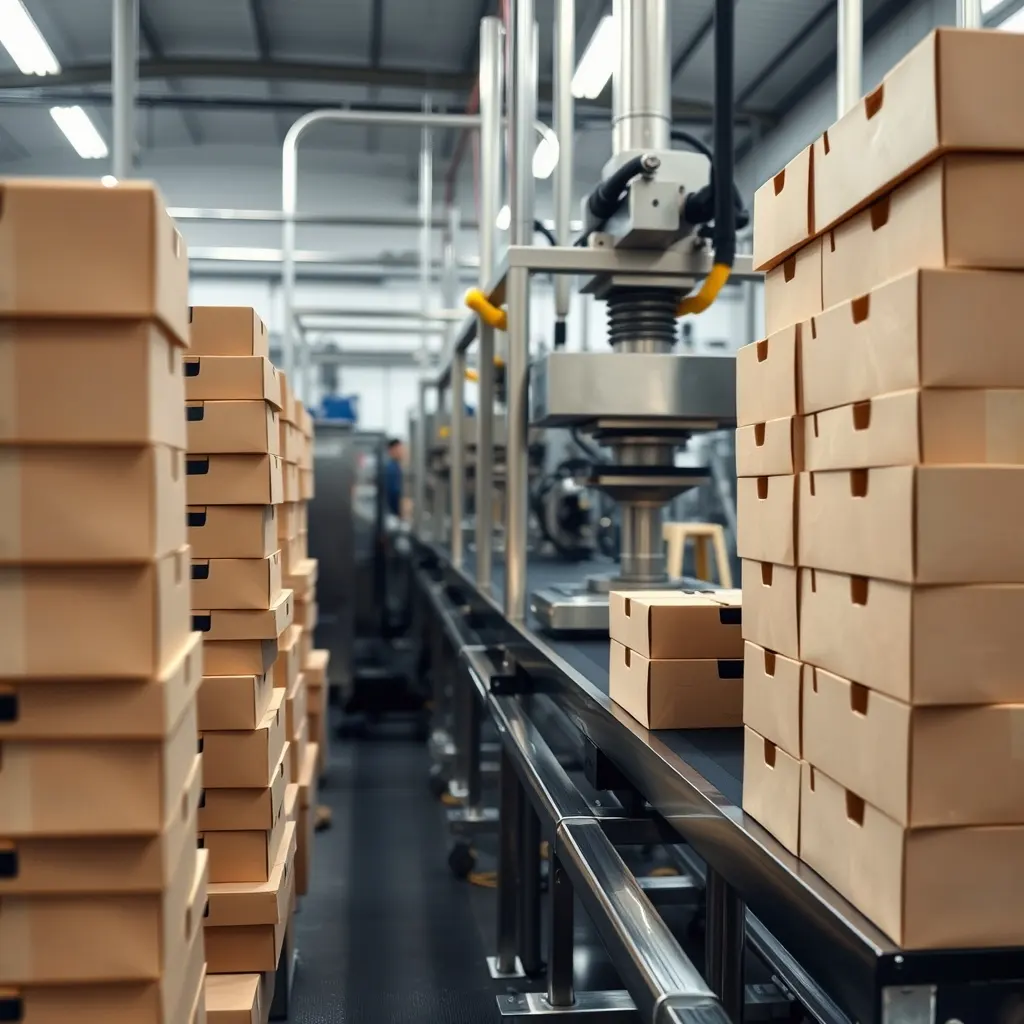
Every buyer sourcing from Thailand eventually hits the same question: ship by sea or fly it in by air? The answer isn't about which mode is "better" — it's about matching the shipping method to your product, order size, timeline, and margin. Get this wrong and you either tie up cash waiting weeks for a container, or you eat the freight cost into a loss on a rushed air shipment. This guide walks through how experienced buyers actually weigh the trade-offs before confirming an order with a Thai supplier.
The core trade-off: cost vs. speed vs. cash flow
Sea freight from Thailand is almost always cheaper per unit, especially for heavy or bulky goods like packaged food, beverages, furniture, or rubber products. The trade-off is transit time — sea shipments from Thai ports to destinations in Asia, the Middle East, Europe, or the Americas take noticeably longer than air, and that time has a cost too: it ties up your working capital in inventory that's still on the water. Air freight moves fast, which matters when you need to restock quickly, test a new market, or ship something time-sensitive, but the per-kg cost is significantly higher and usually only makes sense for lighter, higher-value, or urgent cargo. There's no universal right answer — it depends on what you're shipping and how your business is funded.
When sea freight makes more sense
If you're ordering in bulk — pallets or full containers of snacks, canned goods, packaging materials, or home goods — sea freight is typically the default choice because the cost savings scale with volume. It also suits buyers who plan inventory well in advance and don't need goods landed within days. The downside is less flexibility: once a container is booked and loaded, you're committed to that timeline, and any delay at the port or during customs clearance extends your wait further. Buyers who rely on sea freight should build in buffer time for reordering, especially around holidays or peak shipping seasons when port congestion in Thailand and at destination can stretch lead times beyond the usual estimate.

When air freight is worth the premium
Air freight earns its higher cost when speed genuinely protects your business — launching a product for a seasonal window, replenishing a fast-selling SKU before you run out, or shipping samples and smaller trial orders before committing to a bulk order. It's also common for lightweight, high-value goods like cosmetics, supplements, or specialty items where the freight cost is a smaller percentage of the product's value. For first orders with a new Thai supplier, some buyers deliberately choose air for a smaller initial batch to validate quality and reliability before moving to sea freight for larger repeat orders.
Factors beyond cost and speed
Weight and volume aren't the only variables. Consider: the nature of the goods (perishables or temperature-sensitive products may have different requirements than air freight might partially solve but doesn't eliminate), your destination country's customs clearance process, whether your supplier is experienced in export documentation and Incoterms, and how predictable your sales forecast is. Buyers with volatile or hard-to-predict demand often lean toward smaller, more frequent air shipments rather than locking capital into one large sea shipment. It's also worth checking with a customs broker or your own import/export regulations early, since clearance requirements can affect total landed time regardless of shipping mode.
A practical way to decide per order
Rather than picking one mode for all purchases, many experienced buyers decide shipment by shipment: calculate cost per unit for both sea and air, compare that against how urgently the goods are needed, and factor in your current inventory runway. A simple rule some buyers use — if the item is low value and high volume, sea freight; if it's low volume, time-sensitive, or still in the testing phase with a new supplier, air freight. Discuss shipping terms and Incoterms directly with your Thai supplier before confirming the order, since who arranges and pays for freight affects your total cost comparison.
Need expert support?
Leave your details and our team will get back to you.
FAQ
Frequently asked questions
Is sea freight always cheaper than air freight from Thailand?
Generally yes on a per-kg or per-unit basis for larger shipments, but not always when you factor in the cost of tied-up capital, storage, or the risk of stockouts while goods are in transit. It's worth comparing total landed cost, not just the freight quote.
How much longer does sea freight take compared to air freight?
Transit time varies a lot by destination and port congestion, so it's best to get a current estimate from your freight forwarder or the supplier at the time of shipping rather than relying on a fixed number.
Can I mix both shipping methods for the same order?
Yes, some buyers split an order — air freight for an initial smaller batch to meet an immediate need, and sea freight for the bulk of the order to save on cost. This is worth discussing with your supplier when setting up the shipment.
Who decides whether to use sea or air freight — the buyer or the supplier?
Usually the buyer decides based on their own cash flow and timeline needs, but the choice should be discussed with the supplier since it affects quoted Incoterms, packing requirements, and documentation.
Prepared by the Thaimost team for informational purposes. Some links may lead to referred partners.
Articles
Related articles
How to Find Verified Suppliers in Thailand: A Step-by-Step Guide for International Buyers
Learn how to find verified suppliers in Thailand: what verification really means, which supplier types exist, where to search, how to check beyond the badge, and how to send an RFQ that gets quality quotes.
Thai Frozen Seafood Suppliers: A Buyer's Guide to Sourcing with Confidence
Thailand has long been a major hub for seafood processing and export, with frozen shrimp, squid, fish fillets, and value-added seafood products shipped to markets across Asia, the
Thai Pet Food Manufacturers Export: How to Vet Export Readiness
When you shortlist Thai pet food manufacturers, export readiness matters more than the product catalogue: a factory can make an excellent recipe and still be unable to ship it lega

Buying Thai Home Decor Wholesale? Here's How to Tell a Real Factory From a Reseller
Thailand's home decor sector covers a wide range — teak and mango wood furniture, rattan and water hyacinth baskets, ceramics from Lampang and Ratchaburi, silk cushions, handmade c

Thailand Export Documents Checklist for Buyers: What to Request Before You Pay
If you're sourcing from Thailand for the first time, the paperwork can feel more confusing than the product itself. Which documents actually matter? Which ones protect you if somet

Launching a Private Label Cleaning Line in Thailand? Here's What Separates a Real Factory From a Reseller
Household and industrial cleaning products are one of Thailand's quieter export categories — dishwashing liquid, multi-surface sprays, laundry detergent, fabric softener, and incre