
Buying guide
Thai Spa Products Supplier: How to Find and Vet One
How to shortlist, verify and compare a Thai spa products supplier: who actually makes what, which documents to request, how to read quotations, and how to run a sample round that tells you something.

Thailand supplies spa and wellness goods to hotels, clinics and retailers across the world, which means the hard part of finding a Thai spa products supplier is not finding one. It is telling the maker apart from the reseller, and the exporter who has shipped to your market from the one who has not. This guide covers how to shortlist, what to verify, how to read a quotation, and how to run a sample round that gives you a real answer before you commit to a first order.
Know what sits inside the spa category before you search
Spa products is a commercial label, not a manufacturing one. Behind it sit several different production types, each with its own factory requirements, documentation and shipping constraints. If you send one enquiry covering all of them, most suppliers will quote on the part they actually make and stay vague about the rest.
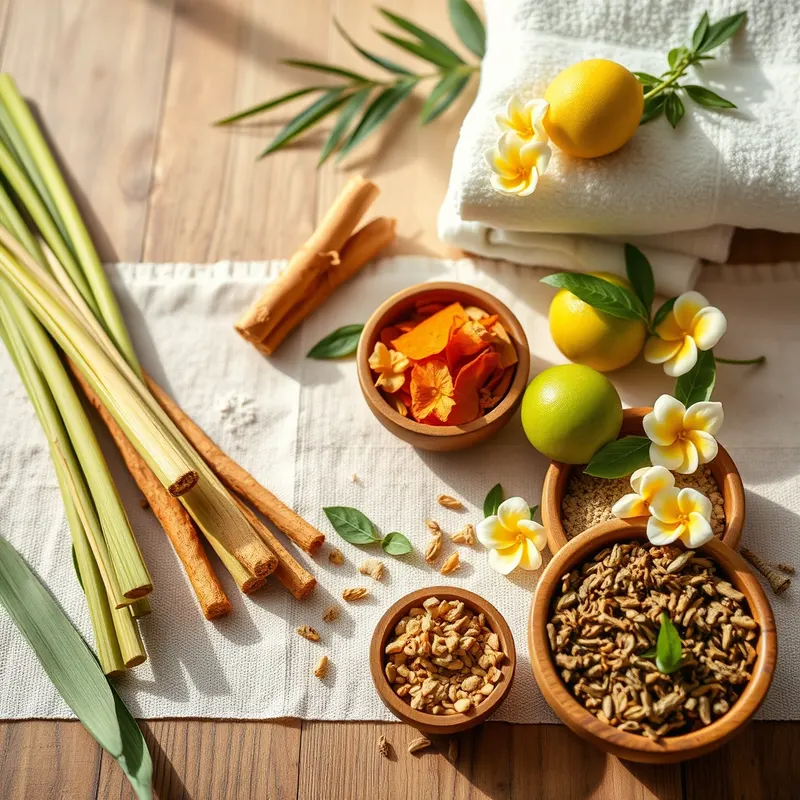
The usual groupings: - **Topical cosmetics:** massage oils, body scrubs, body butters, masks, creams. Regulated as cosmetics, which means notification records and ingredient compliance in the destination market. - **Cleansing bars and soaps:** including **Thai natural soap** made with coconut oil, rice bran, turmeric or herbal infusions. Sturdy to ship, popular with retail and hotel amenity buyers. - **Aromatherapy:** essential oils, blended oils, reed diffusers, candles. Watch for flammability classification and packaging rules in air and sea freight. - **Herbal and traditional items:** compress balls, balms, inhalers, herbal pouches. These can be classified differently depending on the ingredients and the claims printed on the label. - **Accessories and textiles:** towels, slippers, bowls, bamboo tools. Not regulated like cosmetics, but subject to their own import duties and quality checks.
Decide which two or three of these groups make up most of your order. That single decision changes who you should be talking to, since a soap plant, a cosmetic contract manufacturer and an aroma blender are rarely the same company, and a trading company that offers all five is sourcing some of them from someone else.
Separate the manufacturer from the trading company
In the spa category especially, many listings describe themselves in ways that blur the line. Both types can serve you well, but you need to know which one you are dealing with, because it determines who controls quality, who owns the formula, and how much flexibility you get on changes.
Signs you are talking to a manufacturer: - They answer technical questions about formulation, fill lines and batch sizes without checking with someone else - They can describe their own quality control steps and show batch records - They are comfortable with a factory visit or a video walkthrough on short notice - Their product range is deep in a few categories rather than shallow in many
Signs you are talking to a trading or export company: - A very wide catalogue spanning unrelated categories - Answers on lead time and minimum quantities that always need confirmation elsewhere - Reluctance to name or show the production site - Pricing presented as a package rather than broken down by component
Neither is a problem by itself. A good export company adds real value in consolidation, documentation and handling multiple categories in one shipment, which matters if your order mixes soaps, oils and textiles. What you should not accept is a trading company presenting itself as the factory. Ask the question directly and in writing. Reputable **Thai suppliers** answer it plainly, and a platform that labels business type on the profile saves you the first round of guessing.

The verification set to request before you discuss price
Do this before negotiating, not after. Suppliers take document requests as a sign you are a serious buyer, and the answers filter your shortlist faster than price comparison does.
What to ask for: - Company registration details you can check against the Thai public business registry yourself - Export history to your region, with the ability to describe destination requirements they have met before - Factory standard documentation for the production site handling your items, such as GMP or ISO records for cosmetics production - Product documentation per item: ingredient list, specification sheet, safety data sheet where applicable, and whatever notification or certificate exists for the destination you are shipping to - Batch and shelf-life information, plus how they handle a batch that fails inspection
Two cautions worth stating plainly. First, a certificate held by a factory does not automatically cover every product it makes, so check that the scope matches your items. Second, import rules differ by country and change over time; confirm what your own market requires with your customs authority or broker rather than relying on what a supplier tells you about your side of the border.
Running **supplier verification** before price talk also changes the tone of the negotiation. You arrive knowing what is real, so the conversation moves to specification and terms rather than to reassurance.
Read the quotation properly, then compare like with like
Spa product quotations are easy to misread because the unit price is a small part of the total. Two quotes that look twenty percent apart often end up level once everything is included, and sometimes the cheaper one ends up higher.
What a complete quotation should state: - Unit price with the Incoterm attached, since FOB Bangkok and CIF your port are not comparable numbers - Exactly what packaging is included: primary container, label, carton, and whether labels are printed or supplied blank - Carton dimensions, units per carton and gross weight, which drive your freight cost - Payment terms, deposit percentage and what the balance is released against - Who pays for sample shipping, testing and any artwork revisions - What happens to units that fail inspection, and whether replacement is at their cost
Build one spreadsheet with a row per supplier and a column per line above, then add your own freight, duty and local handling to reach a landed cost per unit. Quote from your actual forwarder rather than guessing, because volumetric weight on oils and candles behaves differently from soap.
When you **request a quote**, send the same brief to everyone on your shortlist: quantities per SKU, destination port, packaging expectation and target launch window. Identical briefs produce comparable answers. Different briefs produce a spreadsheet you cannot read.

Run a sample round that actually tests something
A sample round is not a formality. Done well, it is the cheapest risk reduction available to you, and it is the stage where most avoidable first-order problems get caught.
Structure it in two steps. First, request existing stock samples from each shortlisted supplier so you can judge base quality, scent, texture and finish quickly. Second, with the one or two you prefer, request a pre-production sample of your exact specification, including your label and packaging.
What to test, and write the results down: - Scent strength and how it holds after a few weeks in a warm room, which matters for buyers in hot climates - Texture, absorption and residue for oils and scrubs - Soap hardness, lather and whether it sweats in humidity - Label adhesion and print durability on oily or wet surfaces - Leak resistance of caps and pumps after a shake and a drop test - Packaging survival: ship one sample carton by your real freight method, not by courier, if the order is large enough to justify it
Also test the supplier, not just the product. How fast did they respond, did the sample match what was described, did they volunteer problems or hide them? That behaviour repeats at production scale. Sample costs are normally borne by the buyer; treat a supplier who offers free samples with large promises more cautiously than one who charges and delivers precisely.
Build a shortlist, then keep a second source alive
The last step is structural rather than technical. One supplier is a single point of failure, and in a seasonal category like spa it is a predictable one.
A workable approach: 1. Define your two or three core groups and your destination requirements first 2. Gather six to eight candidates from trade fairs, industry directories, referrals and B2B platforms where business type and documentation are visible 3. Send the identical brief and the verification request to all of them 4. Cut to three based on how completely and quickly they answered 5. Sample all three, then place the first production order with one and a smaller order with the runner-up 6. Review after two cycles on quality consistency, document turnaround and responsiveness, not on price alone
Keeping the runner-up warm with a smaller order costs a little margin and buys real resilience. When your first supplier is at capacity in high season, has a batch issue, or raises pricing, you already have a tested alternative instead of starting a search under time pressure.
Finally, keep your own records: a file per supplier with their registration details, documents, sample results and every quotation. Working with **verified Thai suppliers** reduces risk but does not remove your own due diligence, and that file is what makes your second order faster and your third one routine.
Need expert support?
Leave your details and our team will get back to you.
FAQ
Frequently asked questions
Is a Thai spa products supplier usually a manufacturer or a trading company?
Both exist in large numbers, and the category encourages mixing because few factories make soaps, oils, candles and textiles under one roof. A supplier offering all of those is almost certainly sourcing part of the range. That is not a problem if they are open about it and add value in consolidation and documentation. Ask directly which items they produce themselves and which they source, and get the answer in writing before you build a specification around it.
What documents should I ask for before placing a first order?
Start with company registration details you can verify independently, factory standard documentation for the site that will make your items, and per-product paperwork: ingredient list, specification sheet, safety data sheet where applicable, and any notification or certificate relevant to your destination market. Check that a certificate scope actually covers your products rather than assuming it does. Then confirm your own import requirements with your customs authority or broker, since those differ by country and change.
How many suppliers should I shortlist before deciding?
Gathering six to eight candidates and cutting to three after the first document and brief exchange works well. That is enough to see a realistic spread in pricing, completeness and responsiveness without the admin becoming unmanageable. Sample all three, then place your first production order with one and a smaller order with the runner-up so you keep a tested second source available for high season or a quality issue.
Why do quotations for the same spa products differ so much?
Usually because they are not describing the same thing. Different Incoterms, packaging included or excluded, labels printed or blank, carton configurations that change freight cost, and different payment terms all move the total. Put every quote into one spreadsheet with a row per supplier, add your own freight, duty and handling, and compare landed cost per unit. Send an identical brief to each supplier so the answers are genuinely comparable.
Prepared by the Thaimost team for informational purposes. Some links may lead to referred partners.
Articles
Related articles
Thailand Food and Beverage Manufacturers for Export: A Buyer's Guide
Thailand has long been one of the world's most dynamic food and beverage exporting hubs, from rice and snacks to sauces, beverages, and wellness-oriented ingredients. For internati

Thailand vs Vietnam vs China Sourcing Comparison: A Practical Guide for Buyers
If you're weighing a Thailand vs Vietnam vs China sourcing comparison, you've probably noticed that generic "which country is best" answers rarely help. The right sourcing market d

Buy Thai Products in Bulk: How to Source Directly from Verified Thai Suppliers
A practical guide to buying Thai products in bulk: which categories to source, how to find verified suppliers, write an RFQ, compare quotations and manage samples and shipping.

Instant Noodle Manufacturers in Thailand: What Separates an Export-Ready Factory From a Local Brand
Thailand's instant noodle shelves are crowded — tom yum, moo nam tok, pad kra pao, green curry flavors that travel well beyond Bangkok supermarkets. But a brand that sells well dom

Thailand Trade Shows for Buyers 2026: A Practical Guide to Sourcing Smarter
If sourcing from Thailand is on your 2026 roadmap, trade shows remain one of the fastest ways to meet manufacturers face-to-face, test samples, and benchmark pricing before committ

Thai Pet Food Manufacturers Export: How to Vet Export Readiness
When you shortlist Thai pet food manufacturers, export readiness matters more than the product catalogue: a factory can make an excellent recipe and still be unable to ship it lega