
Guide
Thailand Eastern Economic Corridor Manufacturers: A Buyer's Guide to Sourcing from Thailand's Industrial Hub
If you're building a sourcing strategy around Southeast Asia, the Eastern Economic Corridor (EEC) — covering Chonburi, Rayong, and Chachoengsao — is a region you can't ignore. It's
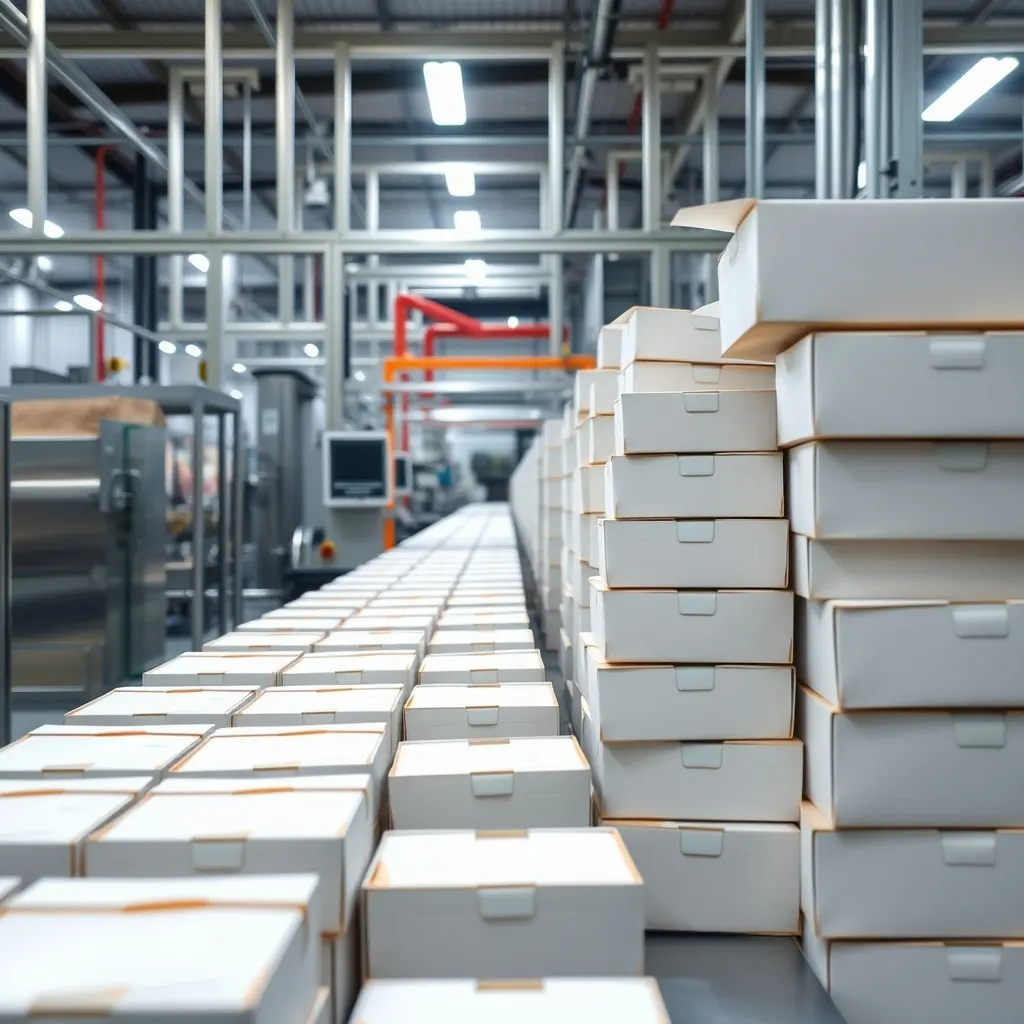
If you're building a sourcing strategy around Southeast Asia, the Eastern Economic Corridor (EEC) — covering Chonburi, Rayong, and Chachoengsao — is a region you can't ignore. It's home to a dense cluster of Thai manufacturers spanning automotive, electronics, petrochemicals, food processing, and advanced logistics, backed by decades of industrial investment and port infrastructure at Laem Chabang. For buyers looking to diversify supply chains away from single-country risk, understanding how the EEC works — and how to find and verify the right factory there — is the first real step. This guide breaks down what the EEC is, why manufacturers there matter to international buyers, and how to approach sourcing without getting lost in intermediaries.
What Is the Eastern Economic Corridor, and Why Does It Matter to Buyers?
The Eastern Economic Corridor is a government-backed special economic zone launched to upgrade Thailand's industrial base, attract foreign investment, and position the country as a regional manufacturing and logistics hub. It spans three eastern provinces and connects directly to Laem Chabang Port, one of the busiest deep-sea ports in Southeast Asia, plus U-Tapao airport for air freight. For international buyers, this matters because factories based in the EEC often have shorter, more predictable export routes compared to manufacturers located further inland. The corridor also attracts companies working across multiple tiers of supply chains — from raw material processing to finished goods — which means buyers sourcing components or private-label products may find several compatible suppliers within a relatively compact geographic area.
What Industries Are Concentrated in the EEC?
The EEC is best known for automotive and auto parts manufacturing, electronics and electrical components, petrochemicals, and agro-industry including food and beverage processing. In recent years, investment has also expanded into biotechnology, digital industries, and medical equipment as Thailand pushes to move up the value chain. For buyers in consumer goods, wellness, or food categories, it's worth noting that Thai manufacturers in these sectors aren't limited to the EEC alone — many strong exporters in rice, cosmetics, herbal and wellness products are based elsewhere in Thailand. The EEC is particularly relevant if you're sourcing industrial components, OEM parts, or packaged food products tied to larger export-oriented supply chains.
How to Identify Legitimate Manufacturers vs. Trading Intermediaries
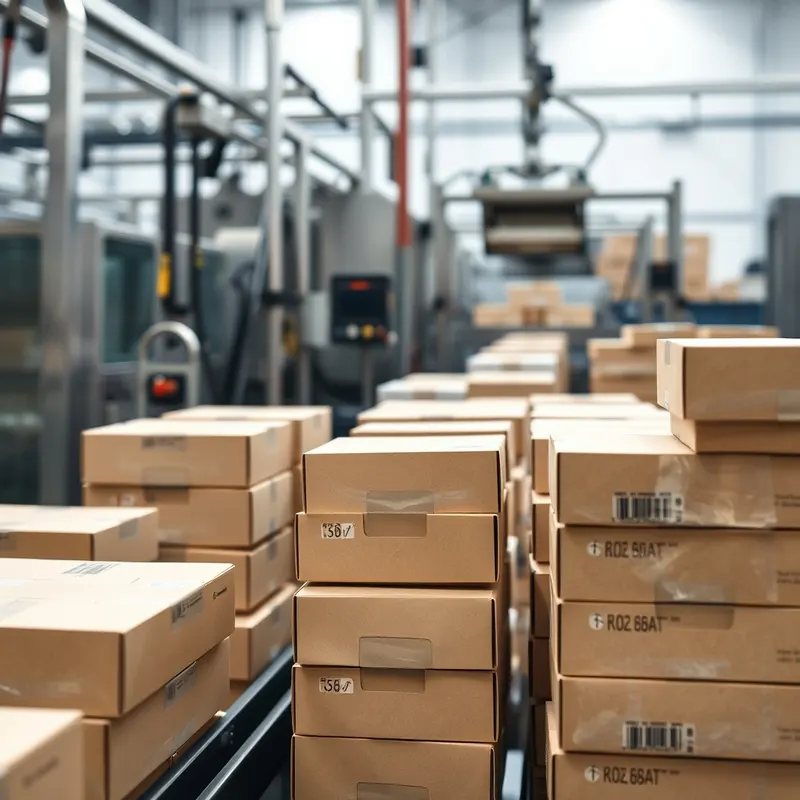
One of the most common mistakes international buyers make is assuming every company listed as a "supplier" actually owns a factory. In Thailand, as elsewhere, there's a meaningful difference between a Manufacturer, an OEM/ODM Factory, a Trading Company, and an Export Company that simply resells on behalf of others. A trading company isn't inherently a problem — many are efficient and reliable — but if you specifically need factory-direct pricing, quality control access, or OEM customization, you need to confirm who actually controls production. Ask directly: does the company own or lease the production facility? Can they provide a factory address separate from a registered office? Are they willing to arrange or describe a factory audit process? These questions matter more than a polished company profile or website.
Practical Steps for Sourcing from EEC-Based Factories
Start by narrowing your search to the specific industry and product category you need — automotive parts, electronics assemblies, or processed food, for example — since EEC manufacturers are often specialized rather than generalist. Once you've shortlisted a few candidates, request detailed company information: business registration, production capacity, certifications relevant to your product (if available), and export experience to your target market. Rather than relying on a single supplier, it's generally worth comparing quotes from two or three companies to understand pricing structure, lead time expectations, and communication responsiveness — these vary significantly even within the same industry cluster. A platform like THAIMOST (thaimost.com) can simplify this stage, since it connects buyers directly with verified Thai manufacturers and exporters and lets you send a free RFQ to compare multiple quotes side by side, rather than starting from a cold outreach list.
Due Diligence: What Verification Can and Can't Tell You
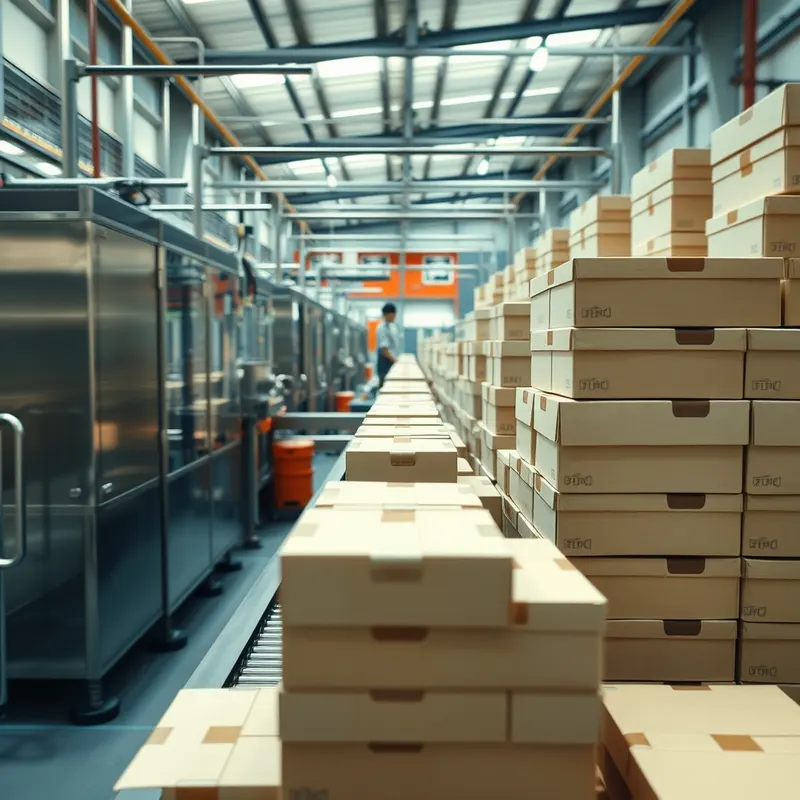
Supplier verification — things like KYC/KYB checks, business registration confirmation, or factory audit badges — reduces risk, but it is not a guarantee of a successful transaction. Verification can confirm that a company legally exists, operates from a stated address, and in some cases has undergone a facility audit. It does not replace your own due diligence: requesting samples, reviewing product documentation relevant to your target market, and clarifying terms like Incoterms, lead time, and payment structure directly with the supplier. If your product category has import requirements at destination — food, cosmetics, or electrical goods, for instance — it's worth checking with your own country's customs or regulatory authority early in the process, rather than assuming the Thai side will handle compliance for you.
Logistics Considerations When Sourcing from the EEC Region
Because the EEC is built around Laem Chabang Port and U-Tapao airport, factories here are generally well-positioned for container shipping and faster air freight when needed. Still, lead time and logistics costs depend heavily on your product, order volume, and destination country, so these should always be confirmed directly with the supplier at quotation stage rather than assumed from the region's reputation. If you're new to importing from Thailand, it's also worth understanding how Incoterms and HS codes apply to your specific product before finalizing an order, since misclassification can create delays at customs on either end.
Need expert support?
Leave your details and our team will get back to you.
FAQ
Frequently asked questions
What exactly is the Eastern Economic Corridor (EEC) in Thailand?
It's a government-designated special economic zone covering Chonburi, Rayong, and Chachoengsao provinces, created to attract investment in advanced manufacturing, logistics, and technology industries, with strong port and airport infrastructure supporting export-oriented production.
Are all EEC-based companies factory owners?
No. The region includes manufacturers, OEM/ODM factories, trading companies, and export companies. Buyers should confirm directly whether a company owns production facilities, especially if factory-direct pricing or customization is required.
How can I compare multiple EEC manufacturers without visiting Thailand in person?
Requesting detailed quotes from several suppliers for the same product specification is a practical starting point. Sending an RFQ through a B2B platform that connects you with verified suppliers can help you gather comparable quotes and company information without needing an initial site visit.
Does supplier verification guarantee a safe transaction?
Verification reduces risk by confirming business legitimacy and, in some cases, factory operations, but it doesn't eliminate the need for your own due diligence — sample confirmation, clear terms, and checking import requirements with your own country's authorities remain the buyer's responsibility.
Prepared by the Thaimost team for informational purposes. Some links may lead to referred partners.
Articles
Related articles

Thai Packaging Suppliers: A Buyer's Guide to Sourcing from Thailand
Thailand has built a reputation as a reliable hub for packaging production — from paper boxes and pouches to glass bottles, tins, and custom molded materials for cosmetics, wellnes

Buying Thai Home Decor Wholesale? Here's How to Tell a Real Factory From a Reseller
Thailand's home decor sector covers a wide range — teak and mango wood furniture, rattan and water hyacinth baskets, ceramics from Lampang and Ratchaburi, silk cushions, handmade c

Thai Herbal Products Manufacturers Export: A Buyer's Guide to Sourcing Verified Suppliers
Thailand has built a reputation as one of Asia's strongest sources for herbal, wellness, and natural products — from traditional botanical extracts to modern formulations backed by

Launching a Private Label Cleaning Line in Thailand? Here's What Separates a Real Factory From a Reseller
Household and industrial cleaning products are one of Thailand's quieter export categories — dishwashing liquid, multi-surface sprays, laundry detergent, fabric softener, and incre

Manufacturer vs Trading Company: How to Tell the Difference
Working out manufacturer vs trading company how to tell is a practical skill: the answer changes your pricing, your technical support and the documents you can expect.

Who Should Inspect Your Thailand Order Before It Ships — and When to Book Them
You've agreed on price, sample, and lead time with a Thai supplier. The order is in production. Now the question that trips up many first-time buyers: how do you actually arrange a