
Product guide
Finding Thai Factories: How to Distinguish Real Manufacturers from Trading Companies
When sourcing from Thai suppliers, buyers often waste time talking to non-manufacturing intermediaries. The issue isn't deception—it's that buyers don't ask the right questions to
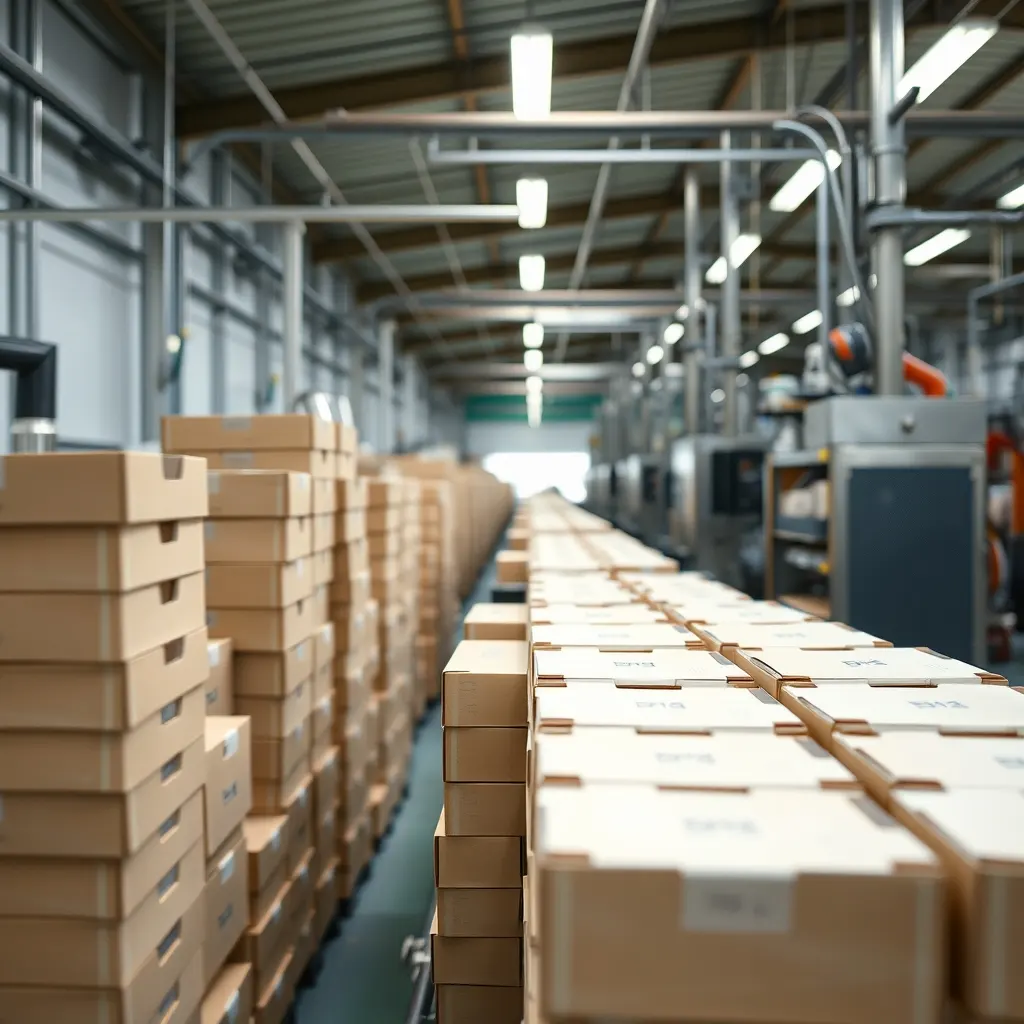
When sourcing from Thai suppliers, buyers often waste time talking to non-manufacturing intermediaries. The real problem isn't that anyone is lying—it's that buyers don't ask the right questions to identify who they're dealing with, which is why they end up with quotes that can't be compared side by side. This guide shows you how to distinguish six types of suppliers in Thailand, how to read their documentation, and a streamlined verification process you can run before paying a deposit.
Six Types of Thai Suppliers and Who Actually Does What
Before you start searching, you need to know which type you're looking for. Thailand's supply chain has at least six roles, and all of them can say the familiar line: "we supply this product."
A manufacturer is a company that owns its own factory, equipment, and quality systems. They produce their own products or work on contract orders.
OEM/ODM factories are manufacturers who specialize in contract manufacturing under the customer's brand. ODM factories typically have ready-made formulas and designs; OEM factories work from formulas or technical specifications the customer provides.
A brand owner holds the trademark but may not manufacture in-house. They hire factories to produce and focus on branding and distribution.
A distributor is appointed to sell products from one or more brands in a specific region. They stock inventory and sell from a catalog.
A trading company buys and resells, usually consolidating products from multiple factories to fulfill a single order. They don't manufacture, but typically handle documentation and logistics well.
An export company specializes in handling procedures and shipping abroad, and may also function as a trading company.
Each role fits a different need. If you want to develop a private label, you need OEM/ODM factories. If you want ready-branded inventory to resell, you need a distributor or brand owner. If you need to consolidate multiple items from different sources into one shipment, a good trading company may actually be your best choice.
The common mistake isn't choosing the wrong type—it's not knowing which type you're working with. When that happens, you don't know which quality system controls your shipment, or who is actually responsible if goods don't meet standards.
When sourcing from verified Thai suppliers, clarity about their role in the supply chain becomes even more critical for protecting your interests.
Signs of a Real Factory
Real factories answer technical questions with numbers; intermediaries answer with adjectives. That's the fastest test, and it holds true in most cases.
Reliable indicators include:
- They can state the working capacity of the equipment, for example the mixing tank runs at around a certain volume, not just that they can do it
- They have a factory address separate from an office address, and are willing to share it
- They can name the equipment line, the number of filling lines, and which products run on which lines
- They hold factory licenses and production licenses in their own legal name
- Technical or quality staff participate in calls, not just sales personnel
- They can send anonymized sample production batches and product test reports
- When you ask for something difficult, they explain what trade-offs are involved instead of agreeing to everything
That last point is the strongest indicator. Real manufacturers understand their equipment and formula limits, so they'll tell you things like "if you want that texture, you'll need to change the packaging" or "if you want that capacity, additional tooling costs will apply." Companies that just source from others typically agree to everything, and problems emerge in the first batch.
Another very useful test: ask them to trace a finished batch backward to the raw material test reports. Factories with real systems can do this in minutes. This request is reasonable, doesn't breach anyone's confidentiality if you anonymize it, and simultaneously tests their material labeling, record-keeping, and staff capability.
When evaluating Thai manufacturers, verified suppliers with transparent processes stand out immediately through their ability to provide this kind of detailed documentation and traceability.
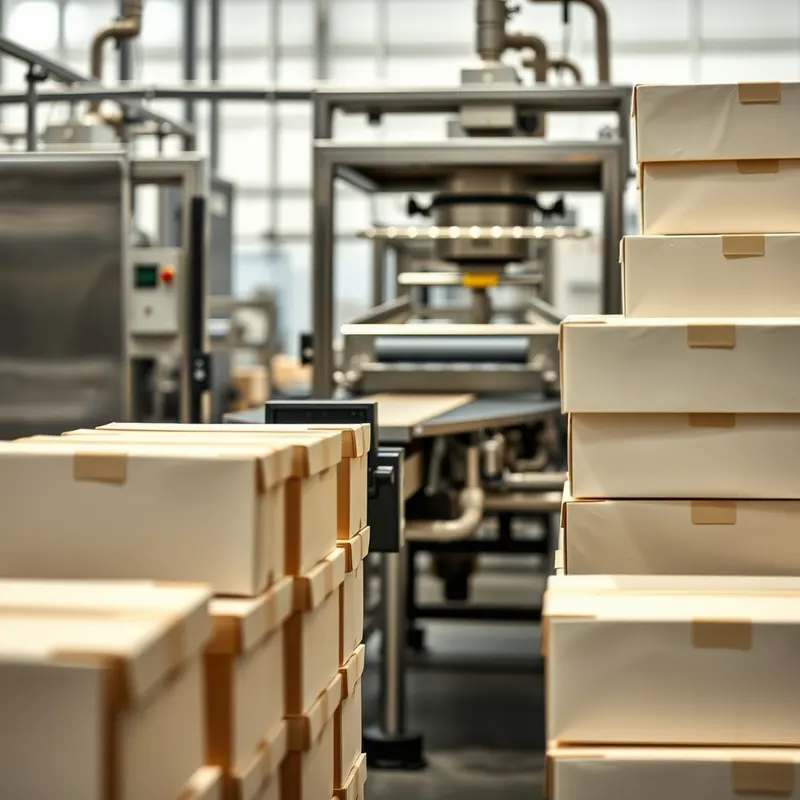
Signs of a Trading Company, and When They're Actually the Right Choice
This section matters because many buyers view trading companies as something to avoid. That's not accurate. What to avoid is not knowing who you're dealing with.
Common indicators:
- Extremely broad catalog spanning unrelated industries, from cosmetics to food to household goods
- They answer technical questions slowly because they have to ask elsewhere then respond later
- They use factory images but won't state an address, or the images appear on many other websites
- Their registered business category is "general trading," not manufacturing
- They don't hold factory licenses in their own name
- They redirect conversations toward catalogs and price lists instead of technical specifications
When should you choose them? There are several situations where a good trading company actually works more efficiently than a factory:
- You need to consolidate multiple items from different sources into one shipment to save freight
- Your order volume is below what the factory wants to run, and they consolidate orders for you
- You need one point of contact to handle export documentation and logistics instead of dealing with five factories
- You're new to the Thai market and need someone who understands both sides
If you go this route, do three things. First, state clearly in the contract that they are the seller and responsible for the goods, even if another factory manufactures them. Second, require them to disclose which factory manufactures critical items, or at minimum let you review the factory's documents. Third, set acceptance criteria in numbers for each item, since you won't control the production line directly.
B2B platforms that categorize suppliers by role and run verification checks on verified suppliers help narrow this screening step, since you immediately see which companies declare themselves as factories and which as trading companies. But categorization and badges only help you shorten your list—they don't replace your own due diligence.
When sourcing Thai products wholesale or looking for Thai manufacturers, understanding the supplier's actual role ensures your quality control and liability are clear.
The Documents You Should Request and How to Read Them
Asking for documents is normal in international trade; professional suppliers have scans ready. Their reaction to this request is already useful information.
Documents to request:
- Business registration certificate, including tax ID, legal name, registration date, address, list of authorized signatories and their authority, and registered business categories
- Factory license and production license by category, if they claim to be a manufacturer
- Quality system certification, including scope of certification and expiration date
- VAT registration certificate, if applicable
- Bank account confirmation letter on the legal name, issued by the bank
How you read these matters more than having complete documentation. Four points to cross-check:
The legal name on all documents must match exactly with the name on the quote, contract, and payment details. Thai companies often use a short trading name different from their legal name, which is normal, but contracts and payments must be in the legal name.
Signatory authority is the most overlooked section. Documents clearly state who can sign on behalf of the company and under what conditions—for example, one person alone or two people together. If your contract is signed by someone not on that list without a power of attorney document, enforceability becomes questionable.
Registered business categories tell you much. If you're buying cosmetics from a legal entity registered only as "general trading," you're likely dealing with an intermediary.
Certification scope must be read carefully, as certifications may cover only certain product groups. Don't just look at the logo and ignore the scope and expiration date.
Finally, verify the tax ID and legal status yourself on Thailand's public business registry instead of just trusting the PDF they sent. Requirements and procedures change, so when certainty matters, confirm with the relevant authority or a legal consultant.
Request a quote that details exact specifications, and verified suppliers will respond with corresponding documentation that lets you verify they can actually deliver what they're claiming.

Writing a Quote Request That Filters for the Right Supplier Type
A well-written quote request does more than get you a price—it automatically filters out those who can't do the work because they can't answer the technical sections.
Sections to include:
- Specific product description: type, structure or specification, capacity or weight, and two to three reference products on the market
- Target market and import country, because this determines which raw materials are permitted and what export documentation is required
- Desired packaging, stating clearly whether you want existing designs or custom designs
- Expected volume for the first order and for reorders
- Preferred delivery terms per Incoterms, and destination port or point
- Documentation requirements: which documents you need per item
- Qualifying questions: are you a manufacturer, distributor, or trading company; if you manufacture, what is the working capacity of the relevant equipment and where is your factory located
Those last two sections make the difference. Few buyers ask directly, and answers to those two sections usually sort your list immediately on the first round.
At the same time, request the quote broken into three parts: one-time costs, unit price at two or three volume levels, and excluded items. When everyone responds in the same structure, comparison becomes possible. A single lump number tells you nothing because it may or may not include testing, tooling, and freight.
Send the same quote request to three to five suppliers, no more. Beyond that you don't have time to read carefully, and due diligence quality drops. If you use a B2B platform, the feature to send one request to multiple verified suppliers at once helps keep responses in the same format, which is especially useful when you're building a Thai products wholesale sourcing list across multiple categories.
When seeking Thai manufacturers and verified suppliers through such structured requests, you'll quickly identify which are serious producers versus those reselling others' products.
A Streamlined Verification Process Before You Pay a Deposit
The sequence below saves the most time because each step either eliminates candidates or creates data for the next step.
Step one, collect. Request the documents listed above, with issue dates. A year-old file only tells you about last year, so ask for current versions.
Step two, cross-check. Place the legal name, tax ID, and address next to the corresponding information on the quote and banking details. Everything must match. If anything is off, ask before proceeding.
Step three, independent verification. Look up the tax ID and legal status on Thailand's public registry. For cosmetics, food, or dietary supplements, specifically ask which legal entity holds the product file for the exact item you're buying, because product documentation belongs to one legal entity for one specific product, not to a company in general. For food and beverage categories, ask this question in your first email because it determines clearance in your country.
Step four, test their capability. Order a sample with payment and observe how they handle a small transaction: their packaging, their documentation, their response speed. This is the most information-rich test relative to cost.
Step five, nail it down in writing before the deposit. Acceptance criteria in numbers, acceptable variance in quantity, minimum shelf life at delivery, inspection points before shipment, and consequences if goods don't meet standards. Payment goes to the account in the legal name, never to an individual.
Step six, check your side. Ask your customs broker or relevant authority about the required documentation for this item, then confirm the supplier can provide it per item before ordering, not after. Import regulations differ by country and change over time.
Working through all six steps for your first order takes a few days and leaves you with a file you can use for every reorder after that. Verification reduces risk, but doesn't guarantee it, so the final decision and your own due diligence still rest with you.
When working with verified Thai suppliers and conducting supplier verification as part of your process, you build a foundation for reliable long-term sourcing relationships.
Frequently Asked Questions
This section provides answers to common questions about sourcing from Thai suppliers.
Need expert support?
Leave your details and our team will get back to you.
FAQ
Frequently asked questions
How do I quickly tell if someone is a factory or a trading company?
Ask two questions in your first email: what is the working capacity of the equipment that runs this product, and where is your factory located. Real manufacturers answer with specific numbers and addresses, usually within one or two exchanges. Intermediaries answer vaguely or promise to respond later. Then cross-check their stated business category on their business registration document to confirm.
Is a trading company always more expensive than buying direct from a factory?
Not necessarily. With small volumes or mixed-item orders, a trading company consolidating orders may offer lower total cost because you split freight and handling with other customers. With large volumes of a single item, buying direct from the factory usually costs less. What matters is comparing total delivered cost to your location, not unit price at the factory gate.
If a supplier is verified on a B2B platform, do I still need to vet them myself?
Yes. Verification typically includes checking legal status and business registration, which helps eliminate basic risks and saves screening time. But it doesn't assess whether they can actually make your specific product, deliver the right quality, or provide the documents you need for your market. Think of verification as an entry filter, then run your own samples, documentation, and acceptance criteria checks.
Should I visit Thailand to see a factory before placing a first order?
For small first batches, it's usually more practical to start with a paid sample, check documentation, place a trial order, then visit before scaling up. For large orders or industries with safety and legal risk, the visit has value. A middle option is to hire an independent inspection service to assess the factory, then only visit one or two candidates who pass that screening.
Prepared by the Thaimost team for informational purposes. Some links may lead to referred partners.
Articles
Related articles
Hội chợ Thái Lan cho nhà nhập khẩu: Chuẩn bị và tận dụng ra sao
Với nhiều doanh nghiệp, hội chợ Thái Lan cho nhà nhập khẩu là cơ hội hiếm có để gặp trực tiếp nhiều nhà sản xuất trong một chuyến đi. Nhưng đi mà không chuẩn bị rất dễ về tay trắng
Đặt hàng sỉ Thái Lan: quy trình gửi RFQ, so sánh báo giá và chốt đơn với nhà cung cấp đã xác minh
Hướng dẫn đặt hàng sỉ Thái Lan trực tiếp từ nhà máy và nhà xuất khẩu đã xác minh: chuẩn bị RFQ, đọc hồ sơ nhà cung cấp, so sánh báo giá, mẫu và điều khoản.
Tìm nhà cung cấp Thái Lan uy tín: cẩm nang thẩm định và lấy báo giá cho người mua sỉ
Với người mua sỉ và nhà nhập khẩu tại Việt Nam, hàng Thái luôn nằm trong danh sách ưu tiên: chất lượng ổn định, mẫu mã hợp thị hiếu, logistics đường bộ thuận lợi. Nhưng câu hỏi khó
Điều khoản thanh toán khi mua hàng Thái Lan: Những điều người mua sỉ cần biết
Khi làm việc với nhà cung cấp Thái Lan, điều khoản thanh toán thường là phần khiến người mua sỉ băn khoăn nhất — đặt cọc bao nhiêu, thanh toán khi nào, nên chọn phương thức nào để

Nhập snack Thái Lan giá sỉ: 5 điểm dễ lệch khi so báo giá
Khi nhập snack Thái Lan giá sỉ, người mua thường nhận về vài bảng báo giá chênh nhau khá xa và chọn ngay mức thấp nhất. Phần lớn chênh lệch đó không đến từ việc ai bán rẻ hơn, mà t

Nhập Khẩu Nguyên Liệu Từ Thái Lan: Cẩm Nang Tìm Nguồn Hàng Cho Doanh Nghiệp Việt
Thái Lan là một trong những nguồn cung nguyên liệu quan trọng cho ngành thực phẩm, mỹ phẩm, thảo dược và wellness tại khu vực ASEAN, nhờ nền nông nghiệp và công nghiệp chế biến phá