
Buying guide
Thai Spa and Wellness Products Wholesale: A Practical Buyer's Guide
Buying Thai spa and wellness products wholesale looks straightforward until you compare quotes and realise that two herbal compress balls or two massage oils can differ in ingredie
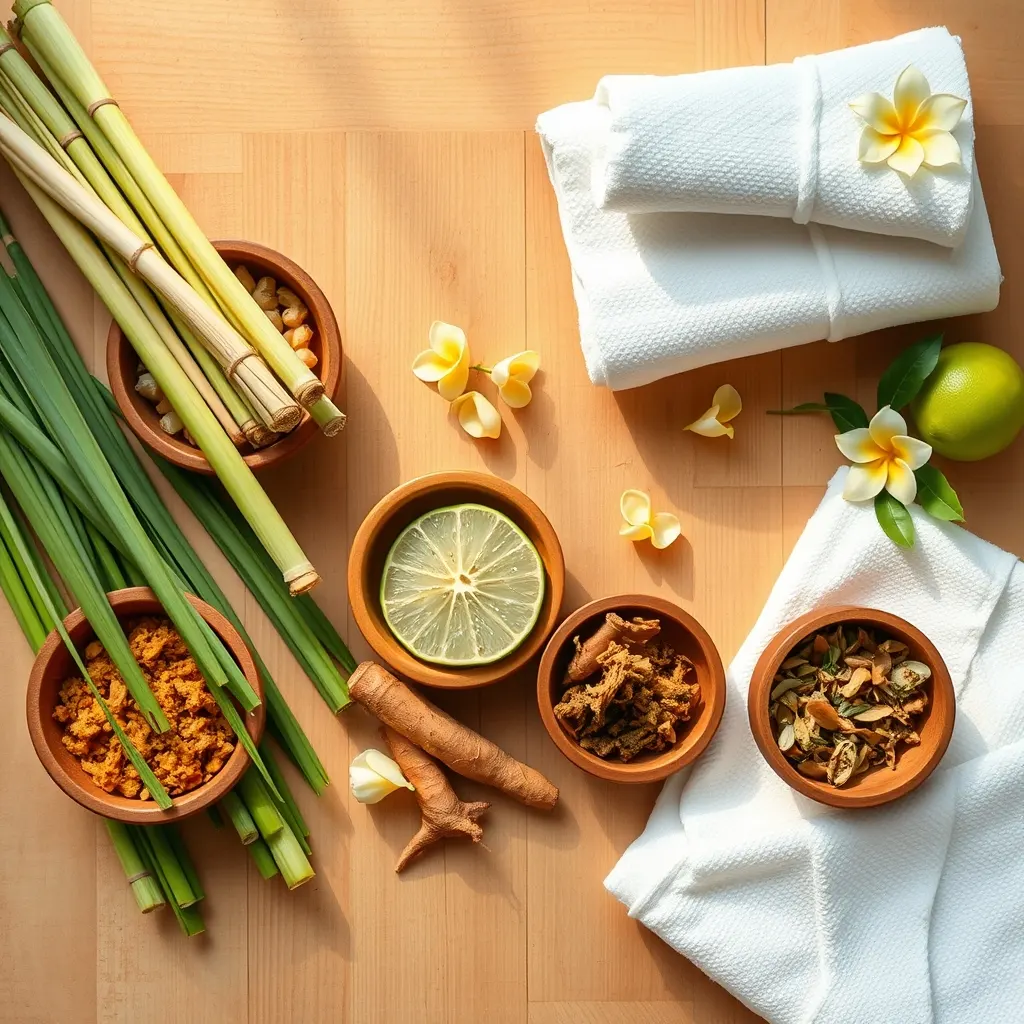
Buying Thai spa and wellness products wholesale looks straightforward until you compare quotes and realise that two herbal compress balls or two massage oils can differ in ingredients, paperwork and shelf life. This guide is for importers, spa operators, hotel buyers and distributors who want to source the category with confidence: what to buy, how to assess suppliers, which documents to ask for, and how to move from samples to a first order without surprises.
Know the category: what counts as Thai spa and wellness
Thailand's spa tradition has produced a wide product range, and wholesale buyers usually deal with several sub-categories at once. Sorting them early helps, because each one has its own supplier base, regulation and shipping behaviour.
- **Massage and body oils**: carrier oils blended with lemongrass, ginger, coconut, jasmine or other aromatics. Sold in retail bottles and in professional bulk sizes.
- **Herbal compress balls**: dried herbs such as plai, turmeric, kaffir lime and lemongrass wrapped in cotton. A plant-based product that is sensitive to moisture.
- **Balms and inhalers**: herbal balms, liniments and nasal inhalers, which may be regulated differently from cosmetics depending on the claims and the destination.
- **Bath and body care**: scrubs, salts, soaps, lotions, body butters and shower gels built around Thai botanicals.
- **Aromatherapy and ambience**: essential oils, diffusers, candles, incense and room sprays.
- **Spa consumables and accessories**: wraps, slippers, loofahs, ceramic burners and gift sets.
Decide which of these fit your customers before contacting anyone. A day spa buying back-bar supplies needs professional sizes and consistent scent from batch to batch. A gift retailer needs attractive packaging and stable shelf life. A distributor needs labels and documents that satisfy the import rules of the destination country.
Also decide whether you want existing brands, unbranded bulk, or products made under your own label. Each route leads to a different type of supplier and a different conversation about price, exclusivity and lead time, so being clear at the start saves weeks of mismatched enquiries.
Choose the right type of supplier
The word 'supplier' covers very different businesses, and the right one depends on what you plan to do with the goods.
- **Manufacturers** make the product in their own facility. You get direct answers on ingredients and production, and often better pricing at volume, but they may focus on larger or simpler orders.
- **Brand owners** sell their finished, branded range. Good for retailers and distributors who want a ready story and packaging. Ask about distribution terms for your territory.
- **OEM/ODM factories** produce under your brand, either from their existing formulas or from a custom brief. This suits spa chains and retailers who want a house line.
- **Distributors and trading companies** consolidate many brands and can mix a container or a pallet from several sources. Convenient for variety, with a margin added for the service.
None of these is better in every case. What matters is that you know which one you are dealing with, because a trading company presenting itself as a factory changes how you should read its quote and its promises.
Places to look include trade fairs in Bangkok, the DITP exporter directory, industry associations and B2B platforms. On **THAIMOST**, for example, supplier profiles state the business type, and you can browse **Thai wellness suppliers** by category and badges, then contact them directly. Verification on any platform lowers risk but is not a guarantee, so keep doing your own checks whichever channel you use. For a private label spa range, shortlist **OEM/ODM factories** with experience in your specific product form, since oil blending, soap making and herbal processing are quite different skills.

Assess quality before you talk price
Spa products are judged by scent, texture and how they feel on skin, so quality assessment has to be hands-on. Ask for samples from at least two or three suppliers and evaluate them side by side with the same criteria.
What to check on the product itself:
- **Ingredient list**: full INCI or ingredient declaration, not just marketing names. Note whether fragrance is from essential oils, synthetic fragrance or a mix.
- **Scent stability**: smell the sample on arrival and again after several weeks. Natural aromatics can fade or shift.
- **Texture and performance**: slip and absorption for massage oil, grain size for scrubs, firmness and herb aroma for compress balls.
- **Packaging integrity**: caps, seals and pumps after a rough parcel journey. Oil leaks are among the most common wholesale complaints.
- **Shelf life and batch coding**: production date, expiry or period-after-opening, and a batch number on every unit.
What to ask the supplier:
- Where is the product made, and under what production standard?
- Which documents are available per item, such as a certificate of analysis or safety data sheet?
- Is the retail sample from the same formula and facility as bulk supply?
- How is consistency between batches controlled, given that natural raw materials vary by harvest?
Certifications should be discussed in general terms and verified document by document. Do not assume every item in a catalogue carries the same paperwork. If natural, organic or halal positioning matters to your market, ask which specific products hold that certification and request the certificate itself.
Check regulations in your market before ordering
The same jar can be a cosmetic in one country, a traditional medicine in another and a restricted item in a third. Classification depends on ingredients and on the claims printed on the label, so regulation should be checked before you commit to stock, not after it lands.
Points to raise with your customs broker or the relevant authority in your country:
- **Product classification**: body oils, scrubs and lotions are generally treated as cosmetics. Balms, inhalers and anything claiming to relieve pain, congestion or a medical condition may fall under medicine or health product rules.
- **Notification or registration**: many markets require cosmetics to be notified or registered by a local responsible party before sale.
- **Ingredient restrictions**: some essential oil components, preservatives and colourants are limited or banned in certain regions.
- **Labelling**: language, ingredient listing format, net content, importer details and warnings.
- **Plant material**: herbal compress balls and dried botanicals may need plant health documentation or be subject to inspection.
- **Transport rules**: essential oils, alcohol-based sprays and some aerosols can be classed as dangerous goods for air freight.
Treat any summary, including this one, as reference only and confirm the details with the authority or clearance agent in your destination country.
On the Thai side, ask the supplier which export documents they can provide for each product, for example a certificate of origin or a certificate of free sale where applicable. Suppliers with export experience will usually know what your region typically requests, but responsibility for import compliance sits with the importer, so get the requirement list from your own side first and share it with the supplier.

Compare quotes on the same basis
Quotes for spa and wellness products are hard to compare unless every supplier answers the same questions. Send a structured enquiry rather than a one-line message, and you will get better replies.
Include in your request:
- Product type, size and packaging format, with reference photos if possible.
- Target quantity for the first order and an estimate for repeat orders.
- Branded, unbranded or private label.
- Destination country and preferred Incoterm.
- Documents you need for import.
- Any ingredient or certification requirements.
When the replies arrive, line them up in a simple table: unit price, what the price includes, packaging, minimum order terms, lead time, payment terms, sample policy and validity of the quote. Prices and quantities vary by product and supplier, and are confirmed at quotation, so avoid relying on figures seen in forums or old catalogues.
Look past the unit price to the landed cost. Freight, insurance, duties, local registration fees and breakage allowance can change which offer is actually cheapest. Glass bottles and liquids are heavy, which matters for air freight.
On THAIMOST you can **request a quote** from several **verified Thai suppliers** with one RFQ and compare the responses. Whatever channel you use, payment is arranged directly between buyer and supplier, so agree terms in writing and be cautious about paying a full balance before you have seen production samples or inspection results. A supplier who answers detailed questions clearly and promptly is often a better long-term choice than the lowest number on the page.
From samples to first shipment: a low-risk path
A careful first order is less about speed and more about learning how the supplier works. A staged approach keeps the risk proportionate.
- **Step 1: paid samples.** Test them with real users, such as your therapists or a few retail customers, and collect written feedback.
- **Step 2: confirm the specification.** Put the agreed formula reference, scent, size, packaging, label text and carton configuration in one document signed by both sides.
- **Step 3: trial order.** Start with a quantity you can sell through comfortably, even if the unit price is higher than at volume. You are also testing packing, documents and transit.
- **Step 4: pre-shipment check.** Ask for photos or video of finished goods and cartons, batch numbers and the document set. For larger orders, consider a third-party inspection.
- **Step 5: receive and review.** Check for leaks, damage, scent consistency against the approved sample, and correct labelling. Record everything.
- **Step 6: debrief with the supplier.** Share what went well and what needs to change before the repeat order.
Pay attention to packing for export. Liquids should be sealed and bagged, glass needs dividers, and herbal products need protection from humidity during sea freight. Ask how cartons are marked and whether mixed-product cartons are clearly labelled, since this speeds up customs checks and warehouse receiving.
Keep expectations realistic about timing. Natural ingredients are seasonal, custom packaging adds steps, and holiday periods affect production and shipping. Ask for a schedule with milestones, and build in a buffer before any launch date or peak season you are stocking for.
Need expert support?
Leave your details and our team will get back to you.
FAQ
Frequently asked questions
Which Thai spa products are easiest to start importing?
It depends on your country's rules, but buyers often begin with items that are simple to classify and ship, such as soaps, scrubs, body lotions and spa accessories. Products with medical-style claims, essential oils in quantity and dried herbal goods usually involve more checks. Confirm classification with your customs broker before choosing your first range.
Can I buy Thai spa products under my own brand?
Yes. Many Thai manufacturers offer private label or OEM/ODM production, either using their existing formulas with your label or developing something to your brief. Expect extra steps for artwork, packaging and regulatory paperwork in your market. Quantities, pricing and timing depend on the product and are confirmed when the factory quotes.
How do I know a supplier is genuine?
Combine several checks. Ask for company registration details and confirm them through official channels, request documents for the specific products you want, order samples, and hold a video call that shows the premises. Platform verification badges and trade fair presence are helpful signals, but they reduce risk rather than remove it, so do your own due diligence.
Should I ship spa products by air or sea?
Small trial orders and light items often go by air or courier for speed. Heavy liquids, glass packaging and larger volumes are usually more economical by sea. Check whether any item is classed as dangerous goods for air transport, and compare total landed cost and transit conditions with your freight forwarder before deciding.
Prepared by the Thaimost team for informational purposes. Some links may lead to referred partners.
Articles
Related articles
What to Check Before You Buy Thai Aromatherapy Products Wholesale
Thailand's aromatherapy and wellness sector covers everything from essential oils and massage balms to herbal inhalers and spa diffusers — built on a long domestic tradition of her

How to Request Samples from Thai Suppliers: A Practical Guide for Buyers
Before placing a bulk order, most experienced importers insist on one thing: a sample. It's the simplest way to check real quality, packaging, and consistency against what's promis

Thai Private Label Food Products: A Buyer's Guide to Sourcing from Thailand
Thailand has long been a global export hub for food and beverage products, from rice and snacks to ready-to-drink beverages and condiments. For brand owners, retailers, and distrib

Buying Thai Home Decor Wholesale? Here's How to Tell a Real Factory From a Reseller
Thailand's home decor sector covers a wide range — teak and mango wood furniture, rattan and water hyacinth baskets, ceramics from Lampang and Ratchaburi, silk cushions, handmade c

Thailand B2B Marketplace for Importers: How to Choose and Use One
A Thailand B2B marketplace for importers is a sourcing channel, not a guarantee. Here is where it fits, what verification covers, and how to use it well.
Thai Beverage Manufacturers for Export: A Buyer's Sourcing Guide
Thai drinks travel well: ready-to-drink teas, coconut water, fruit juices, functional shots and herbal beverages already sit on shelves from Manila to Dubai. Finding Thai beverage